
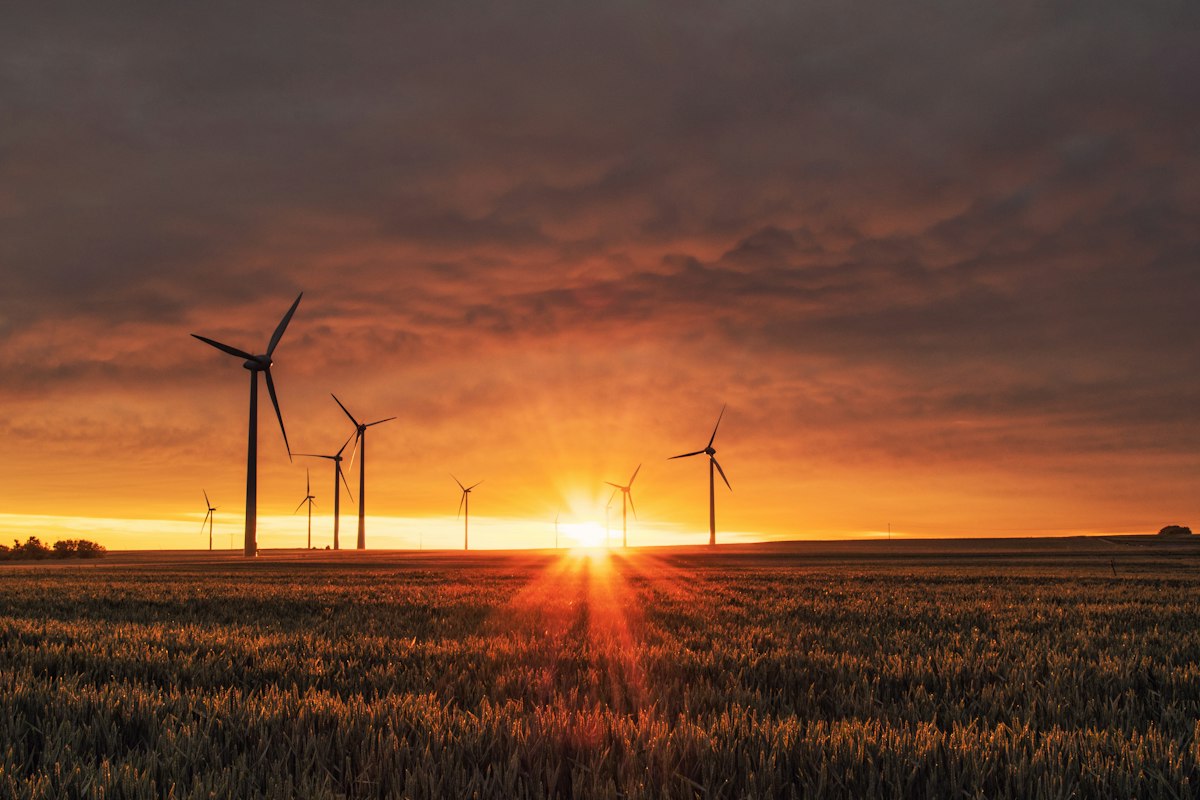
In the wake of recent weather-related disruptions, Texas is taking decisive steps to modernize its electric grid, enhancing resilience and reliability. The Electric Reliability Council of Texas (ERCOT) has unveiled a multi-billion dollar plan aimed at upgrading infrastructure, with a focus on integrating renewable energy sources and improving energy storage capabilities.
The plan, estimated at $4 billion, will involve extensive upgrades to transmission lines and substations, facilitating better management of the increasing share of renewable energy in the state’s energy mix. Over the next five years, ERCOT aims to increase the capacity for renewable energy integration by 20%, significantly bolstering the grid's stability.
“Investing in our grid is essential for the reliability of Texas’s energy future,” stated Brad Jones, ERCOT’s Chief Executive Officer. “This initiative is about ensuring that our infrastructure can handle not only current demands but also the expected growth in renewable resources.”
The push for modernization comes on the heels of the severe winter storm in February 2026, which left millions without power and highlighted vulnerabilities within the state's energy infrastructure. Following the storm, state lawmakers and industry leaders have emphasized the need to fortify the grid against extreme weather events.
Central to this modernization effort is the integration of advanced energy storage systems. Battery storage projects are being prioritized as a key solution to help manage the intermittent nature of renewable energy sources such as wind and solar. One of the leading projects, backed by Fluence Energy, aims to install a 1 GW battery storage facility in Corpus Christi, expected to come online by early 2027.
Additionally, the initiative seeks to enhance the state's ability to respond to emergencies. The plan includes the establishment of a rapid response task force that will coordinate resources during energy crises, improving the overall response times and operational efficiency.
Despite the ambitious nature of the plan, funding remains a critical hurdle. Policymakers are exploring a variety of financing options, including public-private partnerships and federal grants. “We need to be creative in how we fund these crucial upgrades,” said Senator Jane Doe, a member of the Senate Committee on Energy. “The future of Texas’s grid depends on our ability to secure the necessary resources.”
As the state moves forward with these initiatives, Texas’s energy landscape is poised for a transformation that could set a benchmark for other states. By reinforcing its infrastructure and embracing technological advancements, Texas aims to ensure a reliable energy supply for decades to come.