
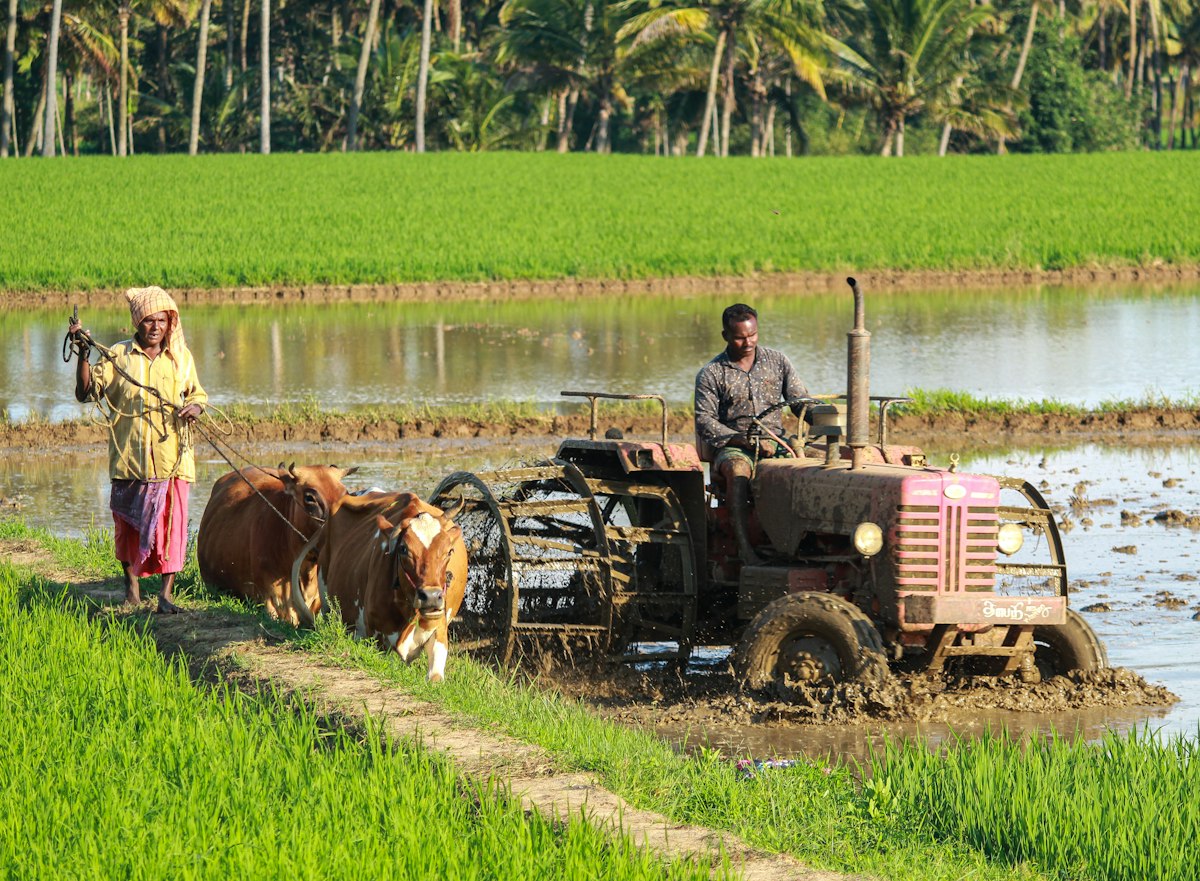
As labor shortages continue to plague the agriculture sector in Texas, farmers are increasingly turning to technology to maintain productivity and efficiency.
The Texas Department of Agriculture reported in May 2026 that the state is experiencing a 30% decrease in available agricultural labor compared to two years ago. This decline is attributed to a combination of factors, including stricter immigration policies and the ongoing trend of urban migration.
In response, many farmers in regions such as the Rio Grande Valley are investing in automation and precision agriculture technologies. For instance, companies like AgriTech Solutions, based in McAllen, are providing farmers with cutting-edge equipment that includes automated harvesters and drones for crop monitoring.
"These technologies have been a game changer for us," said Carlos Martinez, a strawberry farmer in Edinburg. "We can't rely on human labor alone anymore, so we have to invest in systems that allow us to maximize our output with fewer workers."
The use of technology in agriculture is not only aimed at increasing efficiency but also at improving crop yields. Data collected from drones and sensors helps farmers make better decisions regarding irrigation, fertilization, and pest control. According to a report by the Texas A&M University, farms utilizing these technologies report yield increases of up to 25%.
However, the transition to technology is not without its challenges. Initial investment costs can be prohibitive, and there is a learning curve associated with new systems. Many farmers are seeking financial assistance through federal and state programs aimed at promoting agricultural innovation.
As Texas continues to grapple with labor shortages, the shift towards technology-based solutions may not only help sustain the agricultural sector but also position Texas as a leader in agricultural innovation. With strategic investments and a commitment to adapting to the evolving landscape, Texas farmers can ensure a resilient future for their operations.