
As Texas grapples with increasing climate variability, farmers across the state are increasingly adopting precision agriculture techniques to enhance productivity and sustainability.
The Texas agricultural landscape has long been defined by its vast fields and diverse crops, but with the impact of climate change becoming more pronounced, farmers are now focusing on data-driven solutions. According to a report from the Texas A&M AgriLife Extension, the use of precision agriculture technology can improve crop yields by as much as 20% while simultaneously reducing water usage by 30%.
In Lubbock, the heart of the state's cotton production, local farmer Jake Harris has implemented advanced soil sensors and drone technology on his 2,000-acre farm. "The ability to monitor soil moisture levels in real-time has completely changed how we manage our resources," Harris stated. "We’re not just farming; we’re managing data to make informed decisions that benefit our yield and the environment."
With Texas being the largest cotton-producing state in the U.S., these technological advancements come at a critical time. The Texas Cotton Ginners' Association reports that high temperatures and erratic rainfall patterns have contributed to a projected 15% decline in cotton production this year compared to 2025. Farmers are hopeful that precision agriculture can mitigate these challenges.
The investment in technologies, however, is not without its costs. The initial setup for precision agriculture equipment can exceed $100,000, making it a challenge for smaller farms. To address this issue, the Texas Department of Agriculture has launched the Texas Precision Agriculture Initiative, which aims to provide grants and technical assistance to farmers seeking to adopt these technologies.
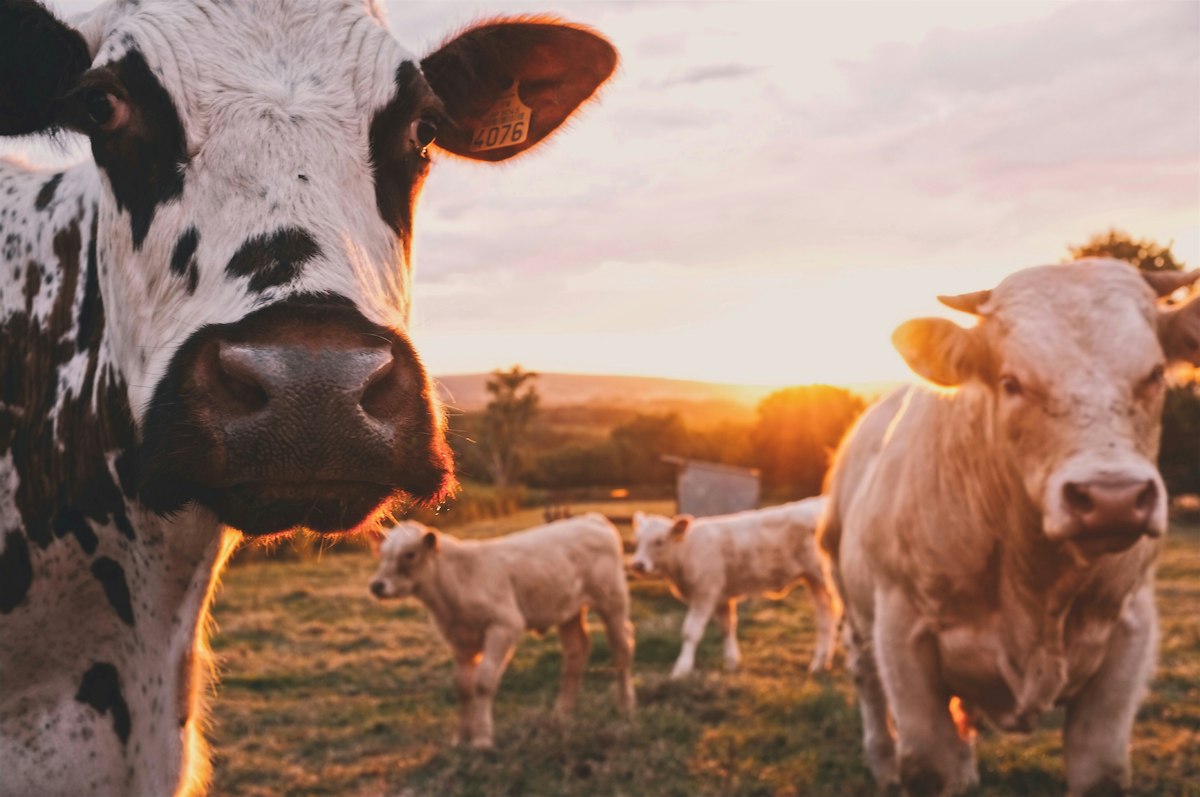
In addition to cotton, Texas is also a leading producer of cattle. The beef industry is also embracing technology, with ranchers using GPS tracking systems to monitor herd movements and health. This year, the Texas Cattle Feeders Association reported a 10% increase in productivity attributed to these innovations.
As these trends continue, the future of Texas agriculture appears to hinge on the integration of technology and traditional practices. Farmers like Harris believe that embracing innovations is essential to thrive in an era marked by uncertainty. "We have to adapt or risk being left behind," he concluded.