
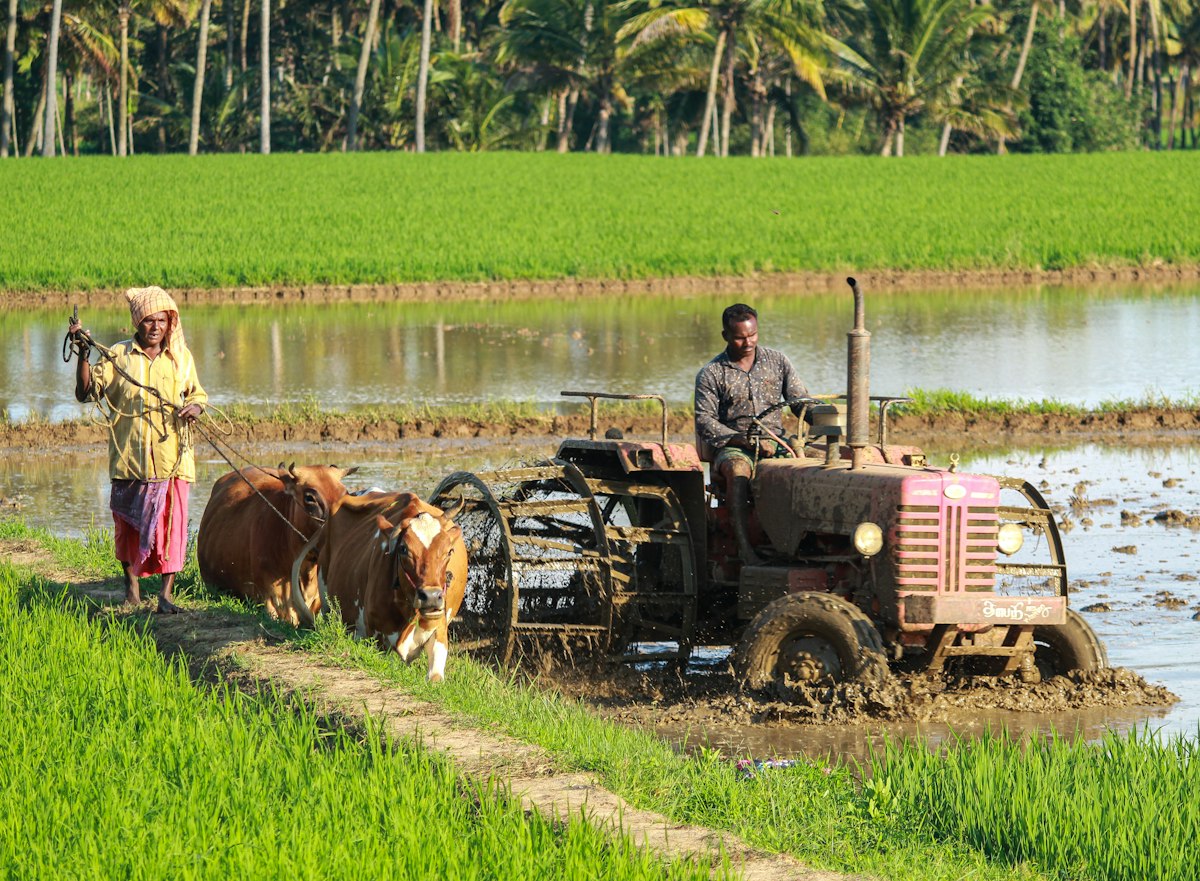
In an innovative move, Texas farmers and ranchers are lobbying for policies that integrate renewable energy sources into agricultural practices, aiming to reduce costs and carbon footprints.
As the state leads the nation in wind and solar energy production, agricultural stakeholders are seeking to capitalize on these resources. Recent studies indicate that transitioning to renewable energy could save farmers up to $1,000 annually on energy costs.
"By harnessing wind and solar energy, we can create a more sustainable future for agriculture in Texas," said Brenda Lee, director of the Texas Sustainable Agriculture Coalition. "Farmers are not only looking to reduce their expenses but also to contribute positively to the environment." The coalition has been actively working with lawmakers to draft legislation that supports renewable energy investments on farms.
The push for renewable integration is particularly relevant in areas like the Texas Panhandle, where wind farms are abundant. Farmers are exploring ways to monetize excess energy produced on their lands, which could further bolster their income streams.
Recent reports from the Texas Renewable Energy Association estimate that integrating renewable energy could enhance farm revenues by up to 15% over the next decade, creating a win-win situation for both farmers and the environment.
However, the path forward is not without hurdles. Regulatory challenges and the initial costs of installing renewable energy systems can deter many farmers from adopting these technologies. In response, advocacy groups are calling for grants and incentives to facilitate the transition.
"Collaboration between the government and agricultural sectors is essential to ensure that all farmers can access renewable energy solutions," added Lee.
As Texas continues to face significant climate challenges, the integration of renewable energy into agriculture may well serve as a vital strategy for resilience, sustainability, and economic growth.
The upcoming sessions of the Texas Legislature will be crucial in determining the future of these initiatives, as farmers and ranchers rally for policies that align with their sustainability goals.