
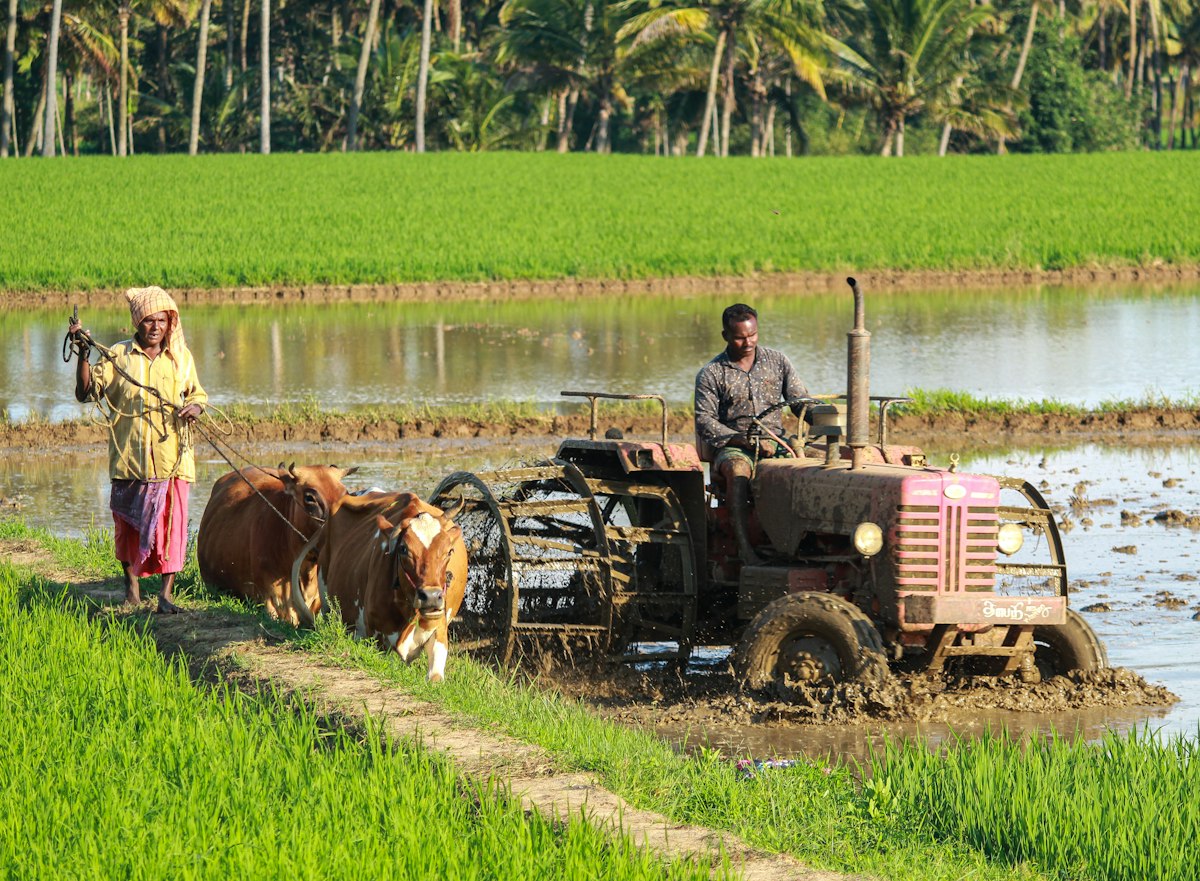
As Texas agriculture grapples with chronic labor shortages, farmers are increasingly turning to technology to streamline operations and maintain productivity.
The ongoing labor crisis, worsened by the pandemic and shifting immigration policies, has left many farmers in cities like McAllen and Amarillo struggling to find enough hands for harvests. The Texas A&M AgriLife Extension Service reports that nearly 60% of farmers have reported difficulties in hiring seasonal labor this year.
In response, many agricultural producers are investing in automation and robotics to fill the gap. High-tech solutions, including robotic harvesters and drones for crop monitoring, are being deployed to enhance efficiency and reduce reliance on manual labor.
"The technology offers us a way to sustain our operations without losing the quality of our products," explained David Chen, a farmer in the Rio Grande Valley. "We can monitor crop health remotely and automate some of the more labor-intensive tasks, which allows us to allocate our human resources more effectively."
A recent report from the Texas Agricultural Innovation Consortium indicated that investment in agricultural technology reached $500 million in the past year, with a significant portion of funds directed towards developing autonomous farming equipment.
Moreover, farmers are leveraging data analytics to optimize planting schedules and improve yield forecasting. By utilizing sophisticated algorithms, they can analyze soil conditions, weather patterns, and market trends to make informed decisions about crop management.
Despite the promise of technology, many farmers express concerns about the initial costs and the learning curve associated with adopting these advanced solutions. "Investment in technology can be daunting for small operations, but it’s becoming increasingly necessary to stay competitive," noted Maria Gonzalez, a small-scale vegetable farmer in El Paso.
In addition to technology, farmers are calling for policy reforms that would ease the hiring process for seasonal workers. Advocacy groups are pushing for comprehensive immigration reform that would provide a stable workforce for agricultural producers and alleviate some of the pressures on the industry.
As Texas farmers navigate these challenges, the integration of technology and advocacy for labor reforms could reshape the agricultural landscape, ensuring that the state remains a leader in production while adapting to a new era of farming.