
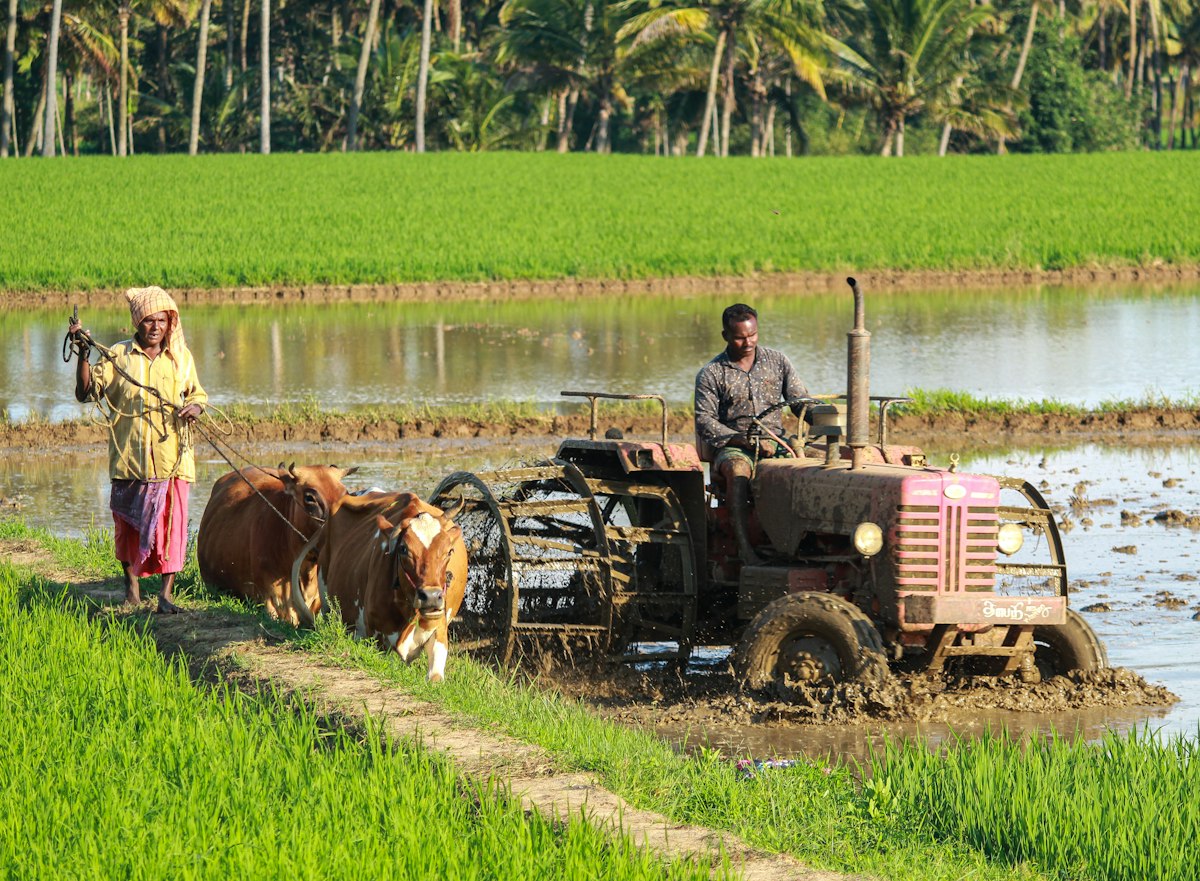
As labor shortages persist in Texas agriculture, farmers are increasingly turning to technology and automation to maintain productivity and efficiency.
The Texas agricultural sector has long relied on seasonal labor, but with rising immigration restrictions and a shrinking labor pool, farmers in areas such as the Rio Grande Valley are struggling to meet workforce demands. The Texas Farm Bureau reports that nearly 60% of farmers in the region have cited labor shortages as a primary concern.
In response, many are investing in advanced technologies such as autonomous tractors and robotic harvesters. Companies like Germination Robotics, based in San Antonio, have developed cutting-edge solutions aimed at automating traditional farming tasks. “Our technology is designed to fill the gaps where human labor is becoming scarce,” explains CEO Laura Sanchez.
Additionally, the state is witnessing a surge in drone usage for crop monitoring and pest control. Drones equipped with AI capabilities can assess crop health in real-time and pinpoint areas that require attention, significantly reducing the need for labor-intensive manual inspections.
The financial implications are notable; farmers who adopt these technologies can expect to reduce labor costs by as much as 30%. Furthermore, the increase in efficiency can lead to higher yield rates, ultimately contributing to the state's agricultural output.
However, the transition to technology is not without challenges. Initial investment costs can be prohibitive, especially for small-scale farmers. To aid in this transition, the Texas Department of Agriculture has launched initiatives aimed at providing grants and technical assistance to farmers looking to modernize their operations.
As agricultural technology evolves, the potential for enhancing productivity and sustainability in Texas farming could reshape the landscape of the industry. “We are entering a new era of agriculture where technology will play a crucial role in ensuring food security,” said Sanchez.
Ultimately, the integration of technology in Texas agriculture represents a pivotal shift that may determine the resilience and future growth of the state’s farming industry.