
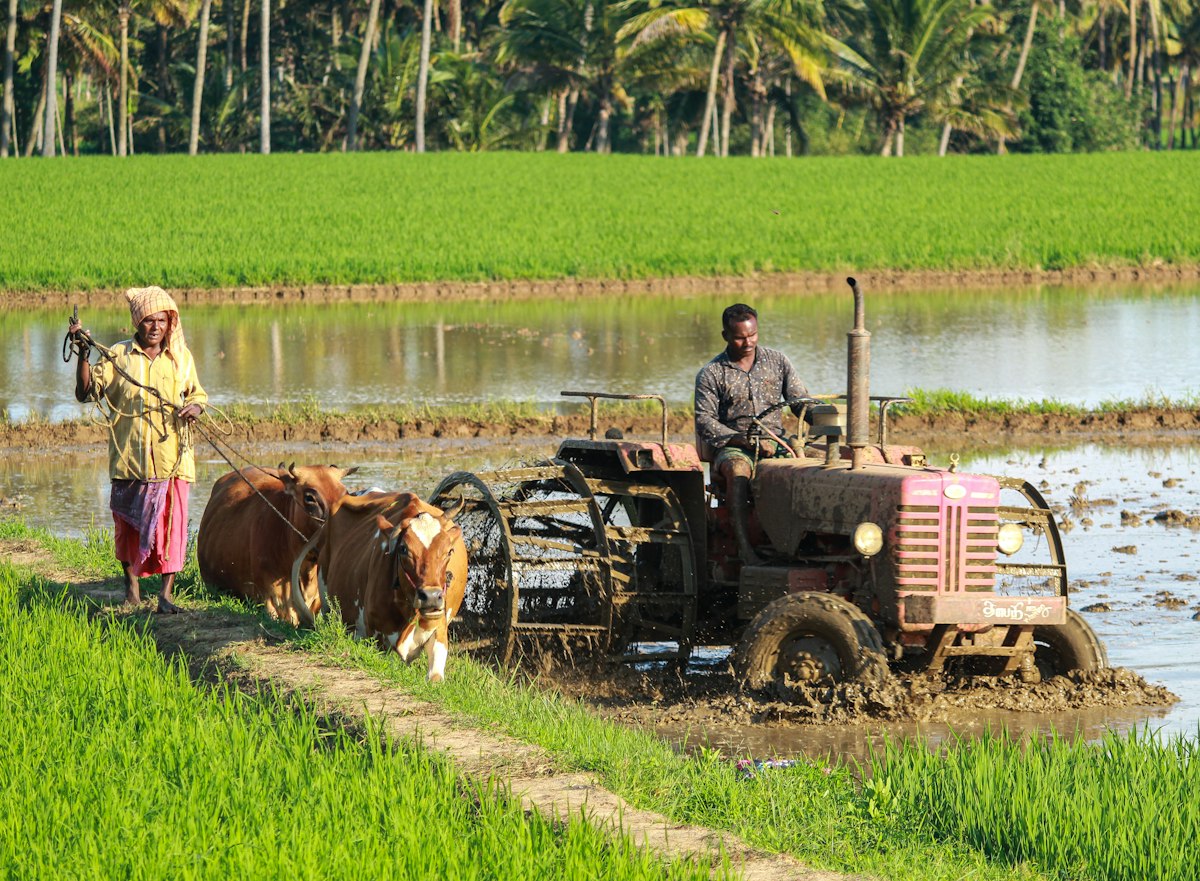
In a bid to combat challenges posed by climate change and population growth, Texas farmers are increasingly adopting precision agriculture technologies to optimize crop yields.
According to the Texas Department of Agriculture, the state is home to over 247,000 farms covering nearly 130 million acres. With the population projected to reach 45 million by 2030, the demand for food is set to increase, prompting farmers to innovate.
Precision agriculture involves the use of GPS technology, data analytics, and soil sensors to monitor and manage crop production more effectively. Many farmers in the Texas Panhandle, for instance, have reported increases in yield of up to 30% after implementing these advanced techniques.
“The integration of technology into our farming operations has been a game changer,” said Tom Jenkins, a corn farmer in Amarillo. “We can now make data-driven decisions that not only increase our efficiency but also reduce waste and costs.”
In 2025, Texas corn production reached 1.5 billion bushels, a significant increase from previous years, largely attributed to the adoption of precision agriculture. Farmers are now utilizing drone technology to assess crop health and using automated irrigation systems that respond to real-time weather data.
Moreover, partnerships between tech companies and agricultural organizations are fostering innovation throughout the state. The Texas A&M AgriLife Research program has been instrumental in developing new technologies tailored to Texas’ unique agricultural needs.
However, the transition to precision agriculture is not without its challenges. Initial investment costs can be high, and many small-scale farmers are struggling to adopt these technologies. To address this issue, various state programs are offering grants and financial assistance to help farmers make the switch.
As the agricultural landscape continues to evolve, the importance of technology in ensuring food security and sustainability cannot be overstated. The Texas farming community is poised to lead the way in demonstrating how modern practices can coexist with traditional farming methods, paving the way for a resilient agricultural future.