
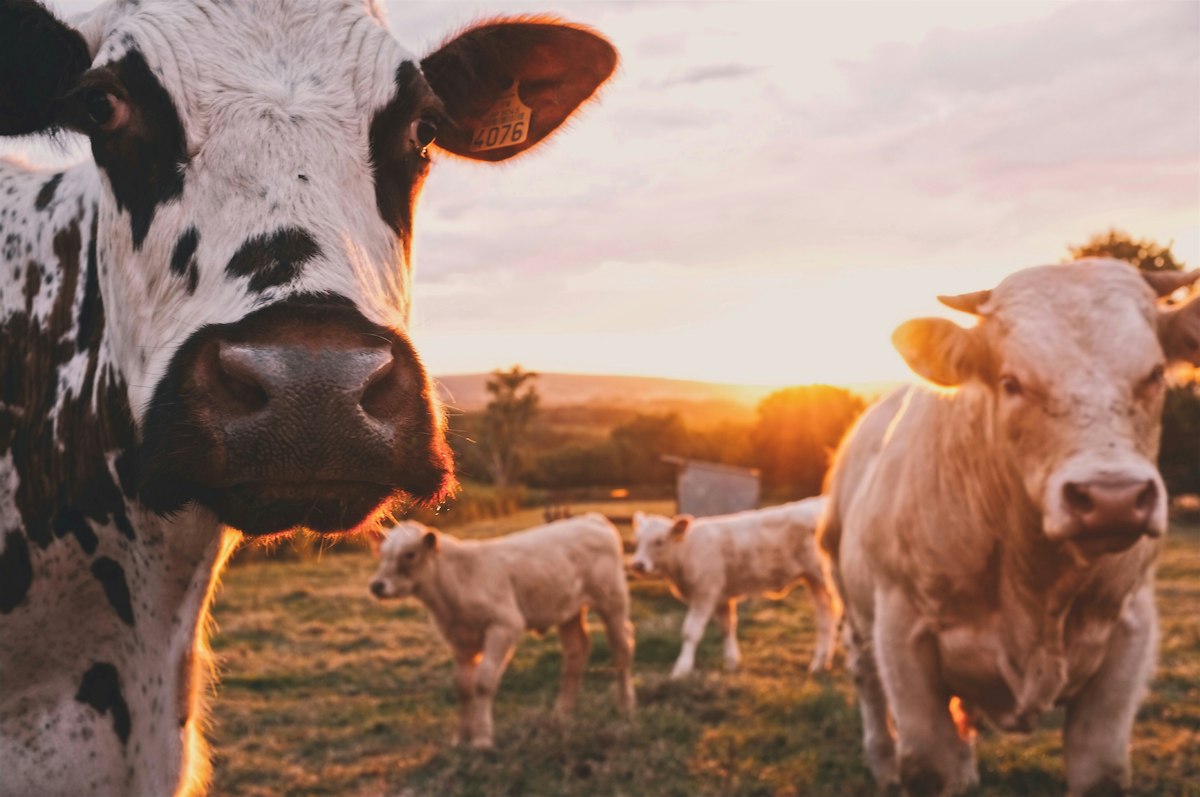
As drought conditions worsen across Texas, many farmers are turning to innovative agricultural technologies to sustain their crops and livelihoods.
According to the Texas Water Development Board, approximately 75% of Texas is currently experiencing some level of drought, significantly impacting the state's crucial agricultural outputs. The recent report highlights that the Panhandle region has been among the hardest hit, with crop yields down by an estimated 40% compared to last year.
In response, local farmers are increasingly adopting advanced irrigation systems and soil moisture sensors. These technologies allow for precise water management, enabling farmers to optimize their water usage. For instance, David Rodriguez, a corn farmer from Lubbock, shared, "Investing in these technologies has been a game-changer for us. We’re able to conserve water while maintaining our crop yields, even in these harsh conditions."
The state government has also stepped in, allocating $25 million in grants to support farmers in acquiring these technologies. Texas Agriculture Commissioner Sid Miller stated, "We recognize the challenges our farmers face. This funding will help ensure they have the tools necessary to adapt and thrive, even in the face of climate adversity."
In addition to irrigation advancements, the Texas A&M AgriLife Extension has been conducting workshops to educate farmers about sustainable practices. These sessions cover crop rotation, drought-resistant varieties, and soil health management, all aimed at enhancing resilience against climate fluctuations.
As the situation develops, experts are urging farmers to remain proactive. Dr. Emily Johnson, an agricultural economist at Texas A&M University, commented on the importance of adaptation. "Farmers who proactively adopt new technologies and practices will not only survive but can potentially thrive in these new climatic realities," she said.
While the drought crisis presents significant challenges, the resilience and ingenuity of Texas farmers appear to be leading the charge toward a more sustainable agricultural future.