
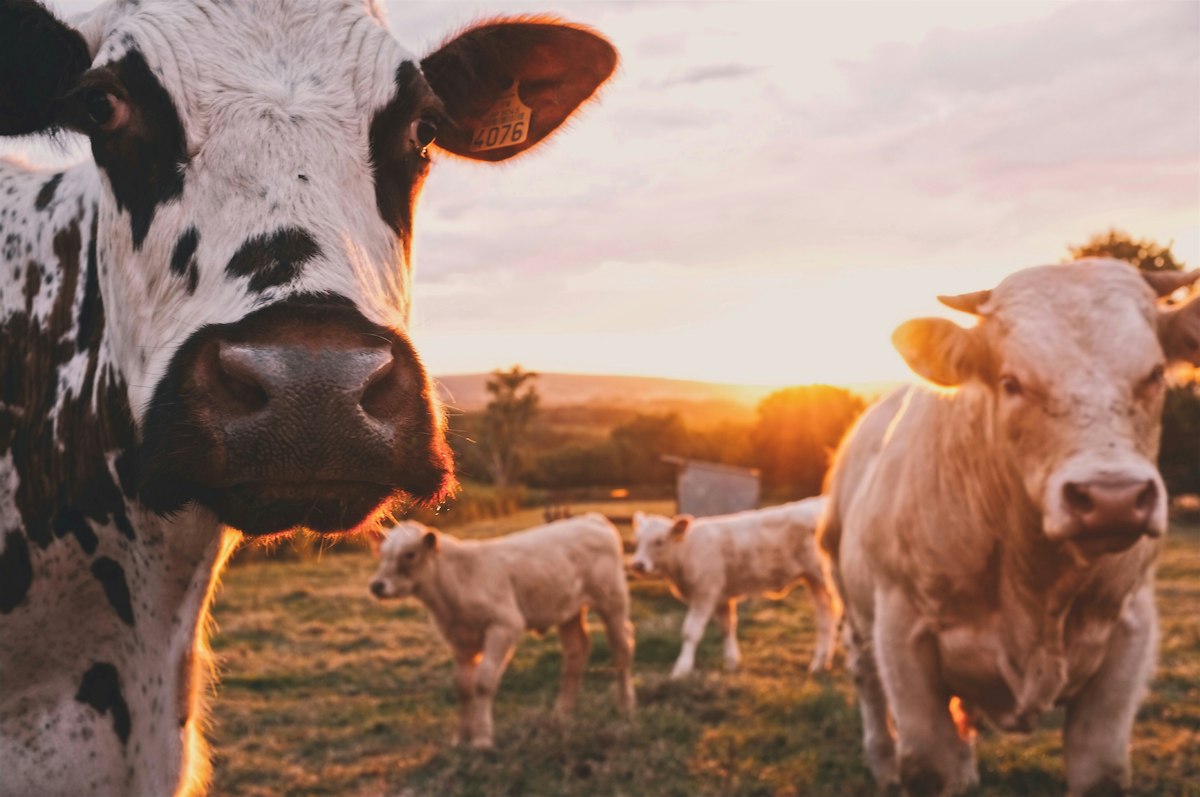
Texas farmers are increasingly turning to regenerative agriculture as a response to the dual challenges of climate change and soil degradation.
In a state where agriculture contributes over $25 billion to the economy, farmers are exploring sustainable practices to not only enhance productivity but also combat the adverse effects of climate variability. With droughts becoming more frequent and severe, traditional farming methods are proving less viable, prompting many to adopt practices that focus on improving soil health and biodiversity.
One noteworthy example is the Texas A&M AgriLife Research program, which has been instrumental in promoting regenerative techniques across the state. According to Dr. David L. Smith, director of the program, “By improving soil organic matter and promoting crop diversity, we can not only increase yields but also help our farmers become more resilient to climate stressors.”
Farmers like Maria Gonzalez, who operates a 300-acre farm in Austin, have started integrating cover crops and reduced tillage into their farming practices. “I’ve seen a significant improvement in my soil quality and a decrease in irrigation needs since I switched to regenerative techniques,” she remarked. Gonzalez's story reflects a broader trend among Texas farmers who are seeking alternatives that align economic viability with environmental stewardship.
The adoption of regenerative agriculture is not merely an isolated effort but part of a larger movement supported by both private and public sectors. The Texas Department of Agriculture has launched initiatives aimed at educating farmers on regenerative practices and providing financial incentives to those willing to make the transition.
By 2025, it is estimated that approximately 10% of Texas farmland will be transitioned to regenerative practices, according to a report by the Texas Agricultural Extension Service. This shift could translate to a $3 billion increase in the agricultural sector over the next decade.
Furthermore, partnerships with organizations like The Nature Conservancy have bolstered these efforts, as they work to preserve Texas' natural resources while encouraging sustainable agricultural practices. As farmers and stakeholders collaborate, they are beginning to recognize that sustainability is not only a moral imperative but also a business opportunity.
However, challenges remain. The initial costs of transitioning to regenerative practices can be prohibitive for many farmers, particularly smallholders. To remedy this, state agencies are advocating for increased funding and resources to facilitate the transition.
Ultimately, the success of regenerative agriculture in Texas will depend on the collective efforts of farmers, researchers, and policymakers. As the state grapples with an uncertain climate future, embracing these sustainable practices could provide a pathway not just for survival, but for a thriving agricultural community.