
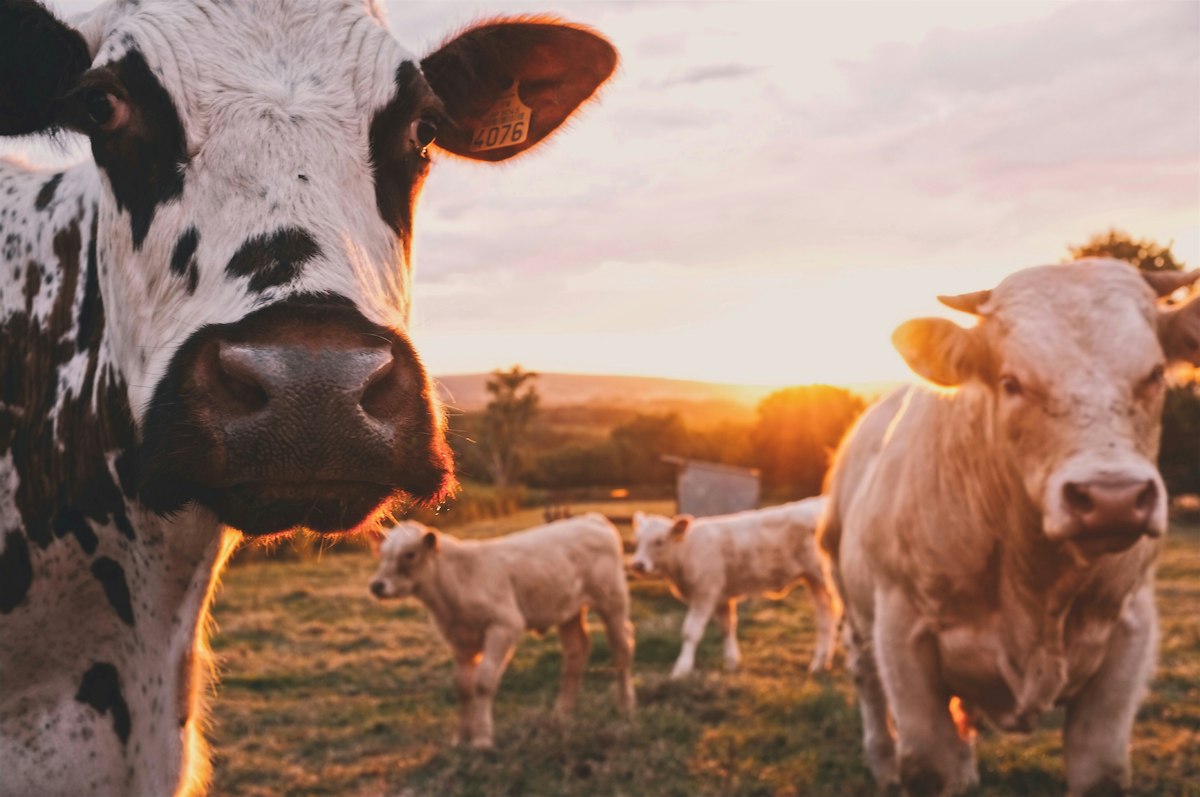
In the heart of Texas, a revolution is brewing in the fields as farmers increasingly adopt precision agriculture technologies to combat the dual challenges of drought and rising operational costs.
Recent reports from the Texas Water Development Board indicate that nearly 75% of the state is experiencing drought conditions, with the Texas Panhandle notably affected. Amarillo-based AgriTech Solutions, a leader in precision farming technologies, has seen a surge in demand for its services as farmers seek to maximize crop yields while minimizing water usage.
“Our technology allows farmers to monitor soil moisture levels in real-time and apply water more efficiently,” explains Dr. Emily Roberts, Chief Scientist at AgriTech Solutions. “In times of drought, every drop counts.”
The company’s recent partnership with Texas A&M University has led to the development of advanced sensors that can detect subtle changes in soil conditions, providing farmers with crucial data to make informed decisions. As a result, many farmers have reported a reduction in water usage by up to 30% while maintaining crop output.
According to the USDA, Texas is the top agricultural state in the U.S., contributing over $23 billion to the economy in 2025 alone. However, with the ongoing drought, these figures may face downward pressure unless innovative solutions can be scaled quickly.
The challenges are not only environmental but also economic. The Texas Farm Bureau reported that the state's average agricultural income dropped by 12% in 2025 compared to the previous year. Farmers are increasingly seeking financial support and resources, prompting state officials to consider emergency relief packages.
The Texas Legislature is expected to convene next month to discuss potential measures, including tax incentives for farmers who adopt sustainable practices. Governor Greg Abbott has emphasized the need for immediate action, stating, “Protecting our farmers is crucial for the overall health of Texas’ economy.”
As agriculture adapts to these challenges, the role of technology becomes more critical. Farmers like Carlos Martinez, who operates a cotton farm near Lubbock, have embraced precision agriculture to enhance resilience. “Using these technologies, we can not only save water but also improve our profitability in this tough climate,” Martinez said.
The future of Texas agriculture may depend on the successful integration of technology and sustainable practices, ensuring that farmers can weather the storms—both literal and metaphorical—that lie ahead.