
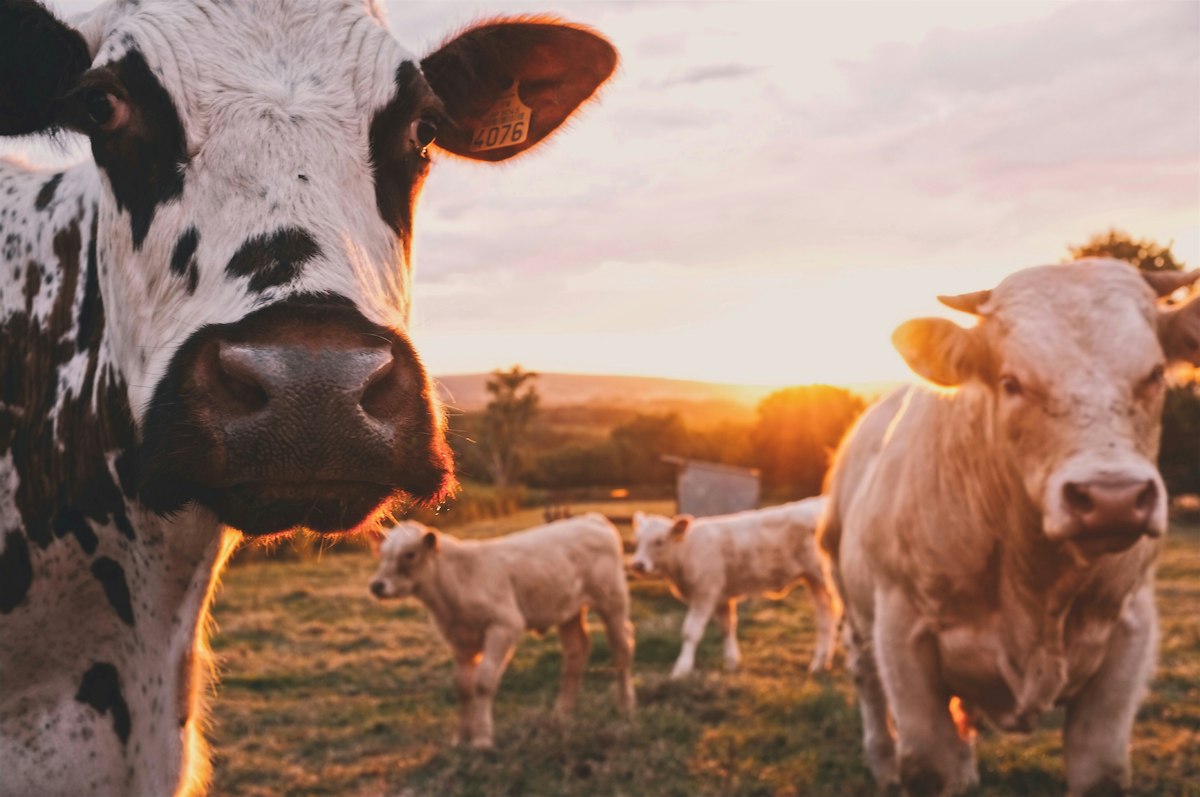
As the effects of climate change increasingly impact Texas agriculture, farmers are turning to innovative practices to sustain their operations.
The Texas climate has always been a tough battleground for farmers, but the past decade has brought new challenges that require immediate attention. According to the Texas A&M AgriLife Extension Service, drought conditions have persisted across much of West Texas, with the High Plains region recording a staggering 40% decrease in rainfall since 2010.
To combat these adverse conditions, many farmers are implementing regenerative agriculture practices. In a recent report, local farmer James L. Parker, who operates a 1,500-acre cotton farm near Lubbock, shared his insights: "We’ve had to rethink our entire approach to farming. Cover cropping and reduced tillage are no longer optional; they're essential for our survival. If we want to maintain soil health and productivity, we must adapt swiftly."
The change in practices is not just about sustainability; it’s also about economic necessity. The Texas Department of Agriculture reported that the state’s agricultural output fell by approximately $2 billion last year due to poor weather conditions, pushing many farmers to the brink of financial ruin. With crop yields down, farmers are now looking toward innovative solutions that not only address immediate concerns but also ensure long-term viability.
The use of technology plays a crucial role in this adaptation process. Drones and precision agriculture tools are being embraced by Texas farmers to monitor soil conditions and optimize water usage. For instance, Agrilife Technologies, based in College Station, has launched a new platform that allows farmers to analyze real-time data on their crops, helping them make informed decisions about irrigation and pest management.
However, the transition to new practices comes with its challenges. Many farmers face high upfront costs when investing in new technology and training. The Texas Agricultural Finance Authority has stepped in to assist farmers with low-interest loans aimed at facilitating this transition. "Our goal is to support farmers as they modernize their operations in the face of climate adversity," said Maria Gonzalez, director of the Authority.
Despite the hurdles, the spirit of innovation among Texas farmers is undeniable. The shift towards sustainable agriculture represents not just a survival strategy but a potential model for agricultural systems worldwide. As Parker puts it, "If we can successfully adapt here in Texas, we can show the world that farming can thrive even under adverse conditions."