
As Texas experiences one of the hottest summers on record, the state’s energy infrastructure is under increasing scrutiny, raising questions about sustainability and resilience.
The Texas grid, managed by the Electric Reliability Council of Texas (ERCOT), is grappling with soaring demand for power as temperatures in cities like Dallas and Austin have consistently exceeded 105 degrees Fahrenheit. According to ERCOT, demand for electricity reached an unprecedented 80,000 megawatts this month, a significant increase from previous years.
In an emergency meeting held on July 25, ERCOT officials warned that rolling blackouts might become necessary if the current demand continues to outstrip supply. “We have to ensure the grid remains stable,” stated ERCOT CEO, Bill Magness, emphasizing the importance of maintaining generation capacity amid the relentless heat.
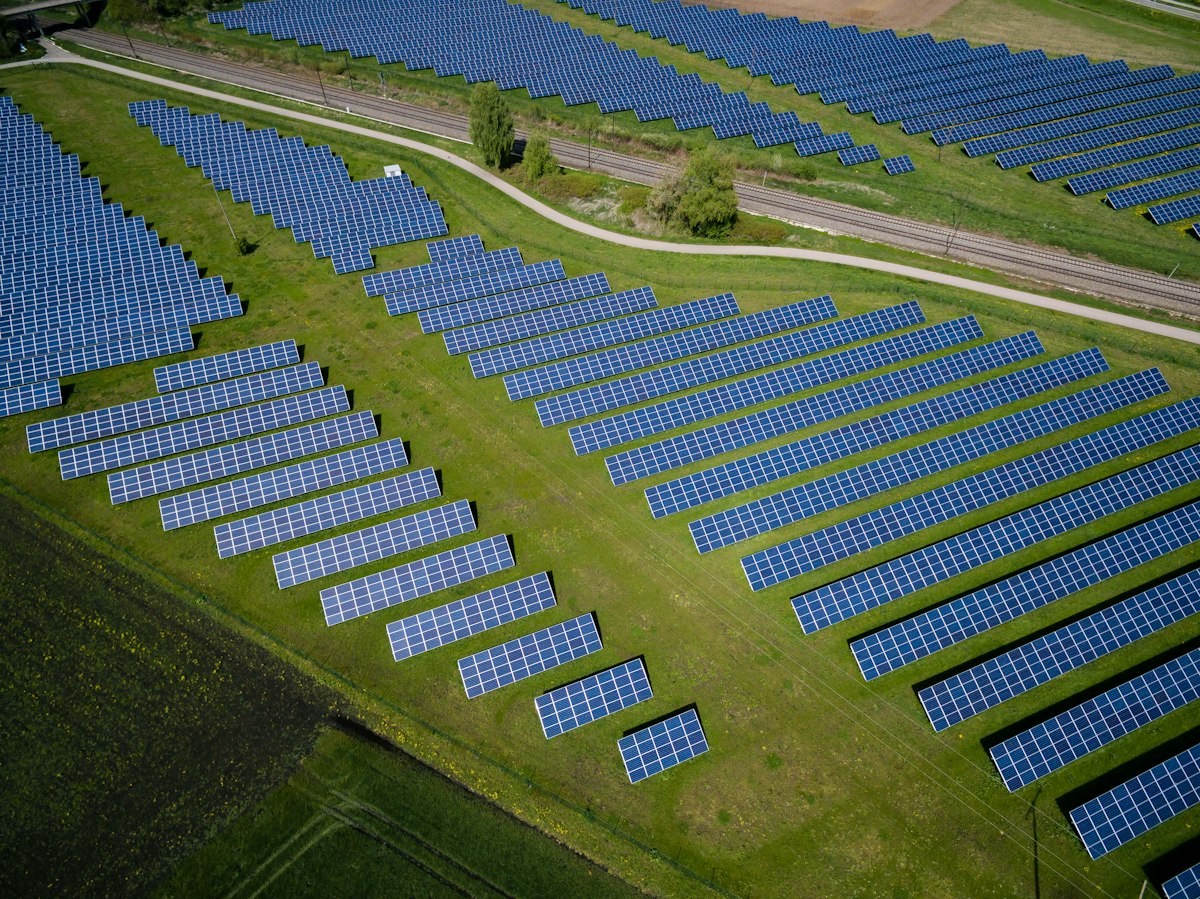
The situation is exacerbated by the ongoing transition towards renewable energy. While wind and solar power have become a more substantial part of Texas’s energy mix, their reliability during extreme weather conditions remains a concern. In 2025, renewable sources accounted for nearly 40% of Texas’s energy production, but their output can fluctuate significantly.
The Texas legislature has taken note of these challenges, with new policies proposed aimed at modernizing the grid and increasing energy storage capabilities. State Senator Sarah Eckhardt stated, “We can’t afford to wait for another crisis. We need to incentivize investments in energy storage and smarter grid technology to ensure a reliable supply.”
Experts like Dr. Jim McCarthy, an energy analyst at the University of Texas at Austin, have called for a more diversified energy strategy. “The growing reliance on intermittent sources like wind and solar must be balanced with firm generation like natural gas and nuclear,” he said. “We need a hybrid approach to ensure reliability.”
As Texan families brace for another wave of intense heat, they remain aware of their dependence on a grid that is currently at its breaking point. The coming weeks will be critical for the future of Texas energy, as both residents and policymakers look for solutions to ensure stability amid climate extremes.