
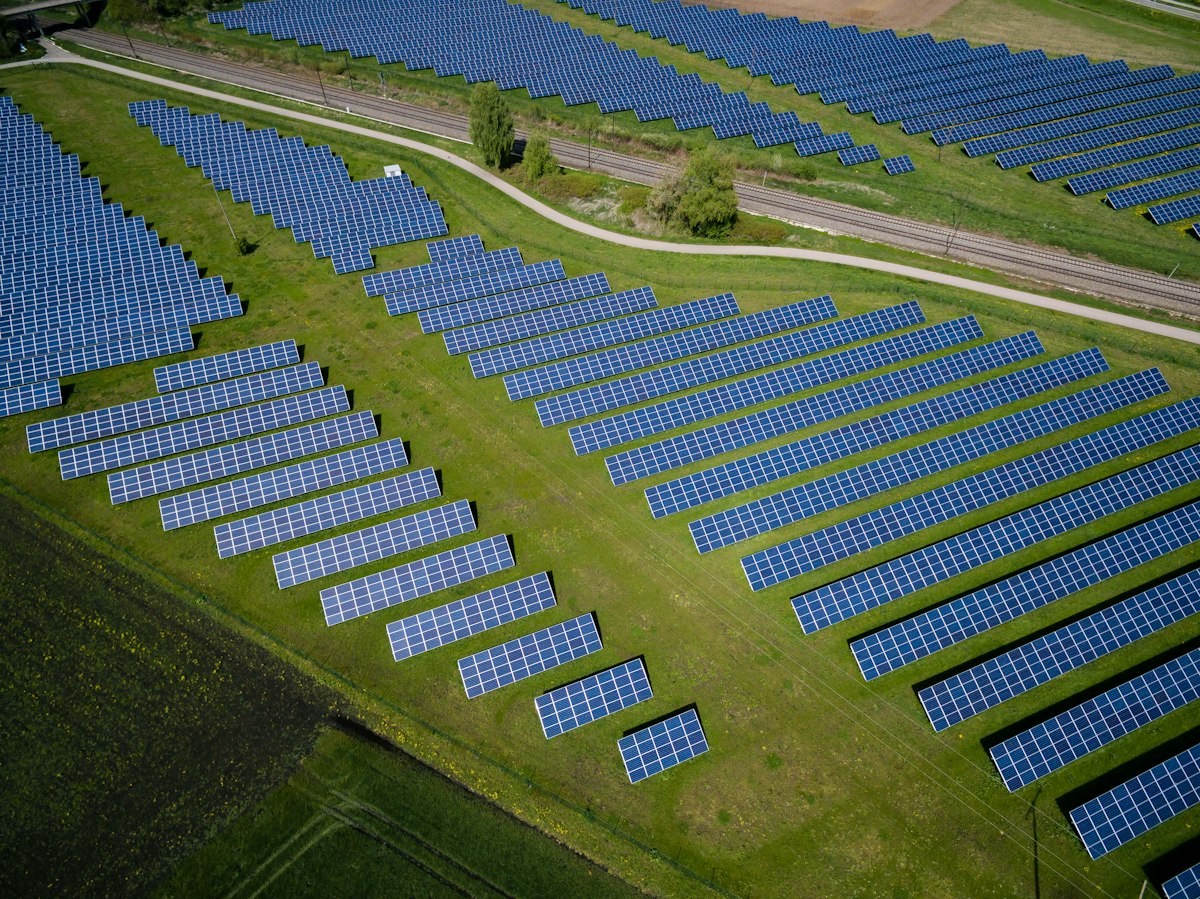
As Texas enters the second half of 2026, the state's energy sector is bracing for significant shifts driven by new regulatory frameworks.
The Texas Public Utility Commission (PUC) recently approved a set of regulations aimed at integrating more renewable energy sources into the state's grid. This comes in response to growing concerns over grid reliability following the unprecedented freeze in February 2021, which left millions without power for days.
“We are committed to ensuring that our energy infrastructure is robust and resilient,” said PUC Chairman Peter Lake during a recent press conference in Austin. “These new regulations will not only promote renewable energy but will also incentivize investment in necessary grid enhancements.”
Under these new rules, operators will be required to increase their renewable portfolio by 25% over the next five years, a significant shift considering that as of 2025, renewables constituted roughly 30% of Texas' energy mix. Major players like NextEra Energy and Enphase Energy are already ramping up their investments, with NextEra announcing a $3 billion investment in solar projects across West Texas.
However, the transition is not without its critics. Some energy market analysts warn that these regulations could lead to higher costs for consumers. “While the intent is noble, it is crucial to balance renewable integration with cost efficiency,” noted Dr. Sarah Thompson, an energy economist at the University of Texas at Austin.
As Texas races towards its goal of a more sustainable energy future, the implications of this regulatory shift will be closely monitored. Stakeholders across the spectrum will have to adapt to the changing landscape, and it remains to be seen how these developments will affect energy prices and reliability in the Lone Star State.