
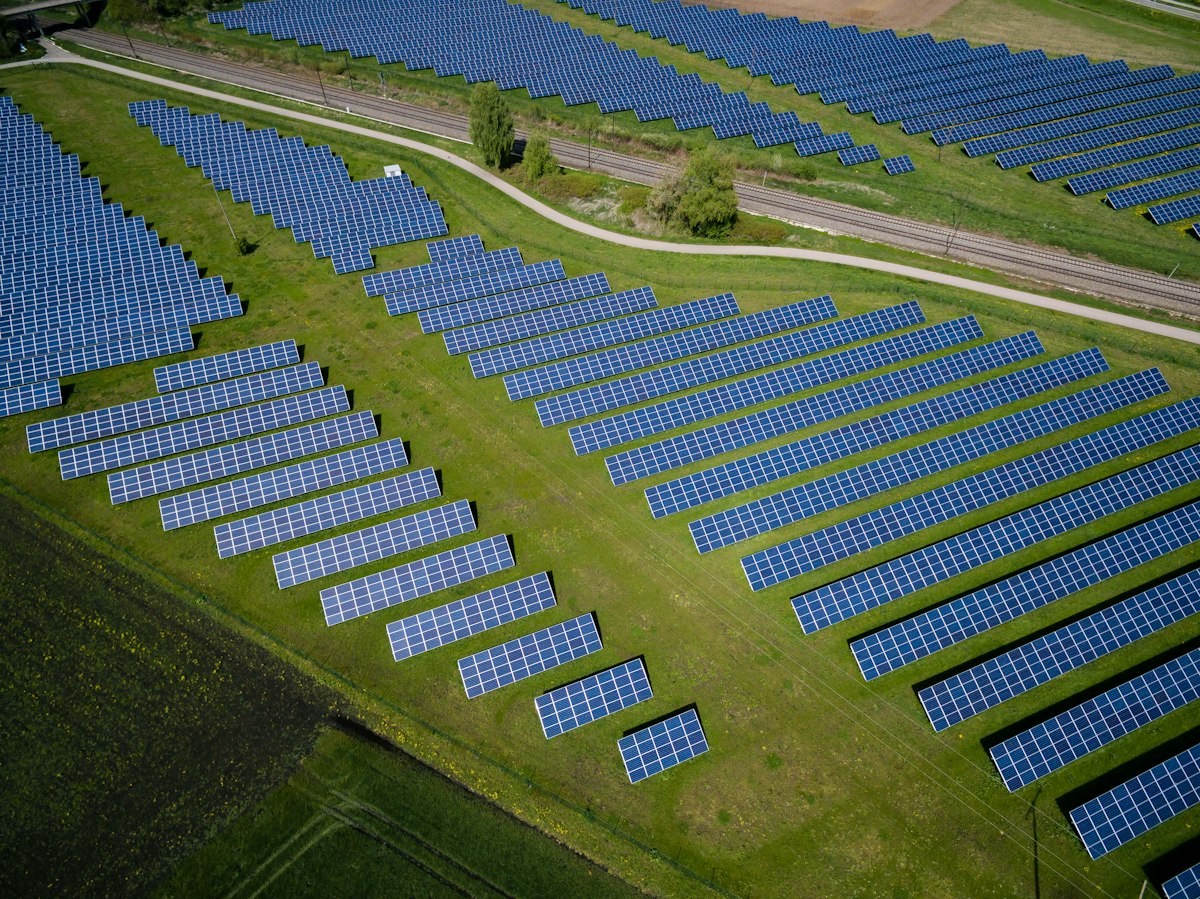
As Texas positions itself at the forefront of the energy transition, the latest regulatory changes are stirring significant debate among industry stakeholders.
On June 15, 2026, the Texas Public Utility Commission (PUC) issued a set of new regulations aimed at enhancing the reliability of the state's electric grid. These changes come in response to the extreme weather events experienced in recent years, particularly the winter storm of February 2021 that left millions without power.
The regulations, which include increased requirements for renewable energy sources and stricter standards for fossil fuel plants, have drawn mixed reactions from the energy community. “We are at a critical juncture where we must balance energy independence with the realities of climate change,” said Laura Martinez, head of regulatory affairs at Texas Renewable Energy Corporation (TREC). She added, “These new rules aim to foster innovation while ensuring that our grid remains robust.”
According to the PUC's estimates, the implementation of these regulations could lead to an increase in electricity prices by 5-10% over the next five years. This forecast has raised concerns among consumer advocacy groups, who argue that rising costs could disproportionately affect low-income residents.
Houston-based energy analyst, Tom Williams, noted, “While the move towards renewable energy is commendable, the transitional costs must be managed carefully to avoid burdening Texas households.” The state has been a leader in wind energy production, boasting over 30% of the nation’s total wind capacity, yet the reliance on fossil fuels remains significant.
In addition to changing regulations, Texas is also seeing a shift in investment patterns. Investors are increasingly favoring renewable projects, with capital flowing into solar and wind developments eclipsing traditional oil and gas investments. Reports indicate that renewable energy projects received $7 billion in funding in the first half of 2026 alone, a record high for the state.
Austin Energy has announced plans to invest $1 billion into solar infrastructure over the next decade, aiming to double its renewable capacity by 2036. This ambitious project reflects a broader trend among Texas utilities to diversify their energy portfolios.
The tension between traditional energy operators and renewable advocates is palpable. Companies like ExxonMobil have voiced concerns about regulatory overreach, asserting their commitment to reducing emissions while continuing to produce oil and gas. “We are investing in technology to make fossil fuels cleaner, but we need a regulatory framework that supports this balance,” said spokesperson Mark Jensen.
With the 2026 Texas legislative session approaching, the energy debate is expected to intensify. Lawmakers will be under pressure to navigate the complexities of energy policy, which has far-reaching implications for the state's economy and environmental future.