
In a significant shift for Texas' energy landscape, the state has reported a dramatic increase in wind power generation following recent regulatory reforms. As of July 2026, wind energy now accounts for over 30% of the state's total electricity production, a remarkable leap from just 22% three years prior.
The Texas Public Utility Commission (PUC) implemented new policies in early 2026 aimed at streamlining the permitting process for wind farms. These changes have attracted substantial investments, with companies like NextEra Energy and Invenergy committing more than $5 billion to expand their wind generation facilities across the Panhandle and West Texas regions.
“The future of energy in Texas is tied to our ability to harness natural resources efficiently,” said Bill Bunch, CEO of NextEra Energy. “These reforms have removed unnecessary hurdles and will ultimately lead to lower energy costs for consumers.”
Texas has long been a leader in renewable energy, but the recent uptick in wind production has been particularly noteworthy. According to the U.S. Energy Information Administration, Texas ranks first in the nation for installed wind capacity, boasting over 36,000 megawatts (MW) of capacity as of mid-2026.
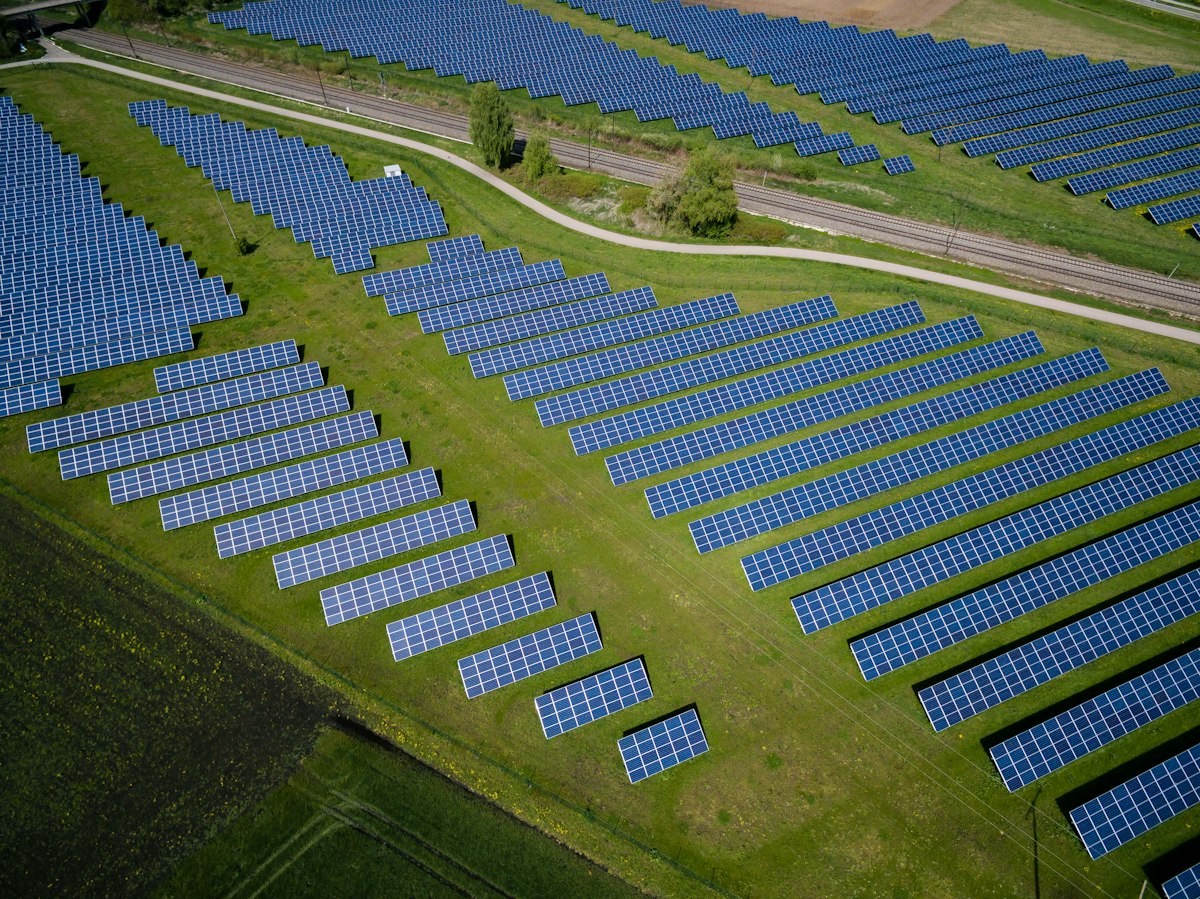
In addition to wind, solar energy is also on the rise, with Texas’ solar capacity tripling since 2023. The combination of these renewable sources is not only helping the state meet its energy demands but also pushing it towards its goal of reducing greenhouse gas emissions by 40% by 2030.
However, challenges remain, particularly in terms of grid reliability. The Texas electric grid's ability to integrate these fluctuating power sources is currently under scrutiny. The PUC has mandated a comprehensive review of grid infrastructure to ensure it can handle increased wind and solar energy without leading to outages.
With ongoing investments and supportive regulations, Texas is positioning itself as a formidable player in the renewable energy sector. As demand for clean energy solutions grows, the state's approach could serve as a model for other regions looking to enhance their energy portfolios.