
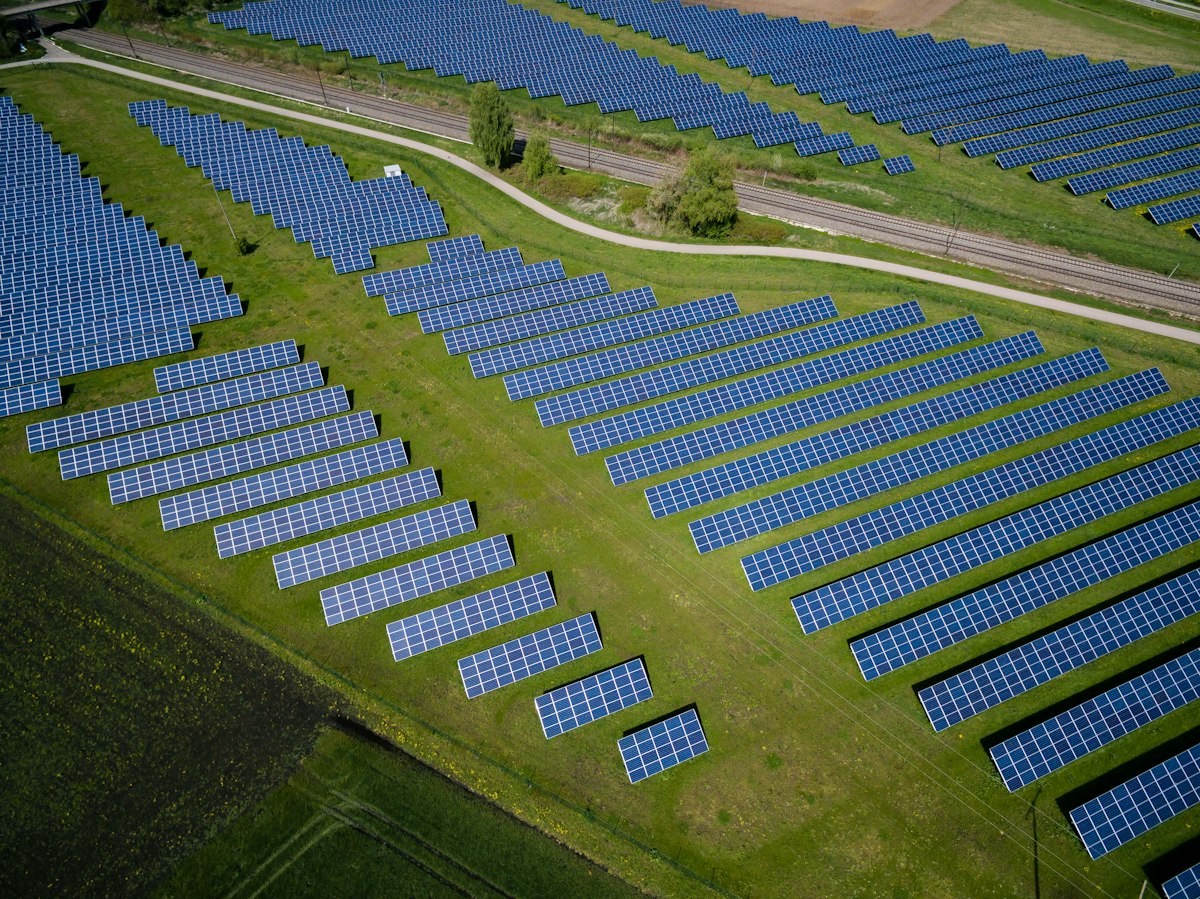
As Texas navigates its complex energy landscape, the state is witnessing a significant shift towards renewable energy sources, driven by recent regulatory changes and increasing investor interest.
The Texas Public Utility Commission (PUC) has implemented new regulations that incentivize solar and wind energy projects, aiming to achieve a target of 30% renewable energy generation by 2030. This ambitious goal comes on the heels of the state’s energy crisis in February 2021, which underscored the vulnerabilities of relying heavily on traditional fossil fuels.
In a statement, PUC Chair Peter Lake emphasized the importance of diversifying the energy portfolio, stating, “Our goal is not just to increase renewable output, but to ensure that Texas remains a leader in energy innovation.” With the support of state officials and significant backing from both public and private sectors, Texas is well-positioned to transform its energy economy.
Currently, Texas leads the nation in wind energy production, contributing approximately 25% of the total U.S. wind capacity. The state is now set to expand its solar energy initiatives, with the latest report from the Energy Information Administration (EIA) indicating that Texas could double its solar capacity to over 30 gigawatts by 2027.
Major players in the energy market are responding swiftly to these regulatory shifts. Companies such as NextEra Energy and Enphase Energy are investing heavily in solar farms and battery storage systems throughout the state, particularly in areas like Austin and San Antonio. For instance, NextEra has announced a $1.5 billion investment in a solar project expected to generate enough energy to power over 300,000 homes.
However, challenges remain. The transition to renewable energy must also address infrastructure upgrades and grid reliability. The Electric Reliability Council of Texas (ERCOT) is actively working to enhance the grid’s resilience, with plans to invest $2 billion in infrastructure improvements over the next five years. ERCOT CEO Pablo Vegas noted, “We’re committed to ensuring that our grid can handle the evolving energy landscape while maintaining reliability for all Texans.”
As Texas continues to embrace renewable energy, the implications for the economy are significant. The solar and wind industries are projected to create over 100,000 jobs in the next decade, making Texas a leading hub for clean energy employment. Local governments are also seeing the benefits; cities like Houston and Dallas anticipate increased tax revenues from new energy projects and associated job growth.
In summary, Texas is at a pivotal moment in its energy evolution, balancing the urgency for sustainable energy solutions with the need for reliable power infrastructure. The state’s commitment to renewable energy is not only a response to environmental concerns but also a strategic move to secure its economic future.