
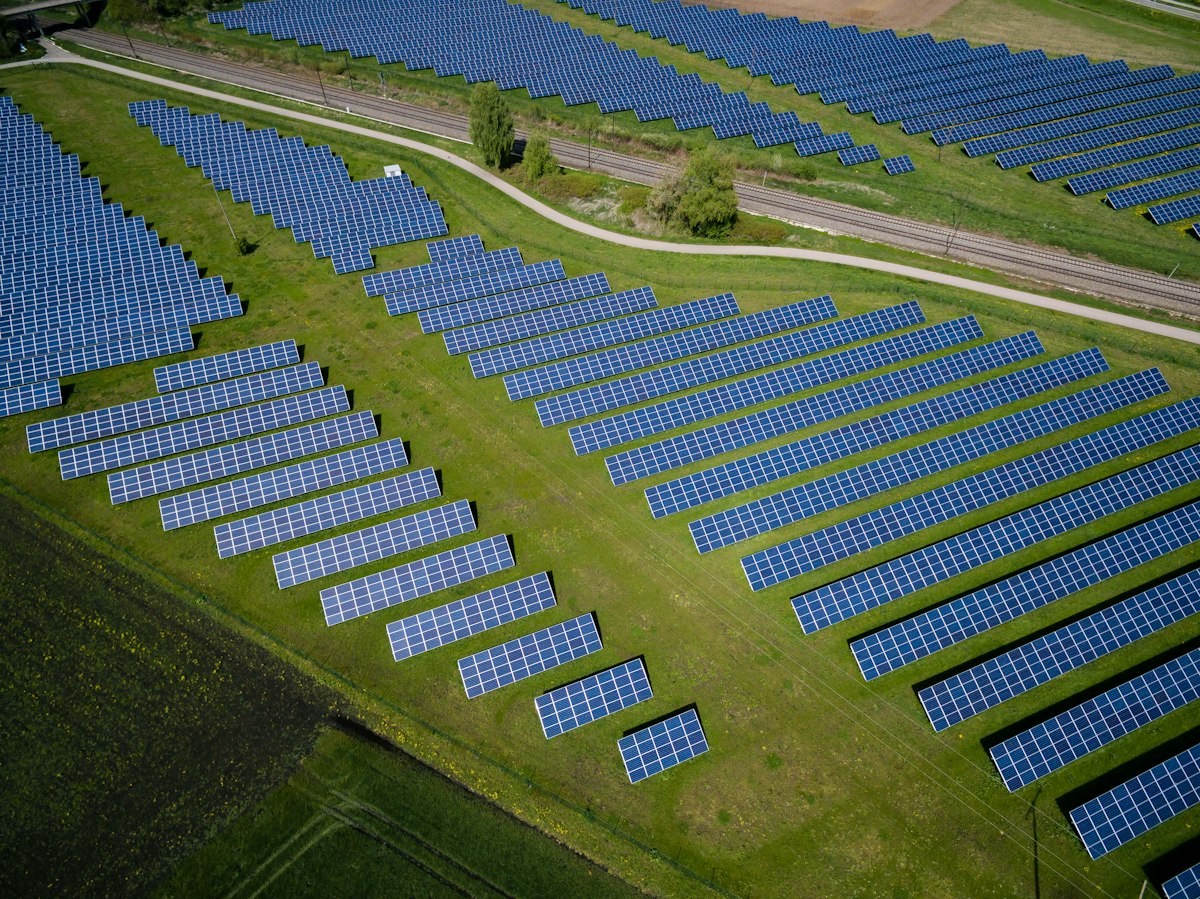
As of July 2026, Texas is undergoing a significant transformation in its energy sector, driven by new legislative measures aimed at reducing carbon emissions while enhancing the stability of the grid. The legislative body recently passed the Texas Clean Energy Act, which mandates that by 2035, at least 40% of the state’s energy must come from renewable sources.
The move comes as Texas continues to grapple with the aftermath of severe weather events that have plagued the state’s energy infrastructure in recent years. The winter storm of February 2021 exposed vulnerabilities within the grid, prompting lawmakers to take more aggressive actions to secure energy reliability. According to recent statistics from the Electric Reliability Council of Texas (ERCOT), renewable sources accounted for approximately 28% of the state's energy mix in 2025, a figure that is expected to rise significantly over the next decade.
“This legislation represents a watershed moment for Texas energy,” stated Maria Gonzalez, an energy policy analyst at the Texas Energy Research Institute. “By increasing our reliance on renewable sources, we are not only aiming for a cleaner environment but also ensuring that our grid can withstand extreme weather conditions.”
Major energy companies are already reorienting their strategies to align with the new policy directives. NRG Energy, based in Houston, has announced a $1.5 billion investment in solar and wind projects over the next five years. “We see this as a crucial step in our journey towards a sustainable future,” said David Nunes, CEO of NRG Energy. “The Texas Clean Energy Act allows us to innovate while meeting the demands of our customers.”
The legislation has also spurred investments in storage technologies, which are vital for maintaining grid stability as intermittent renewable sources are integrated. Companies like Tesla and Fluence are expanding their operations in Texas, with Tesla planning to build a $200 million battery storage facility in Austin.
Despite the enthusiasm surrounding renewable energy, critics argue that the transition must be managed carefully to avoid potential pitfalls. “We cannot forget the lessons learned from past events,” cautioned Thomas Wright, a former ERCOT board member. “While we strive for more renewables, we must also ensure fossil fuels remain part of our energy strategy to provide reliability during peak times.”
The Texas Clean Energy Act is expected to have significant economic implications as well. According to the Texas Workforce Commission, the transition to a greener energy landscape could create upwards of 100,000 new jobs in the renewable sector by 2030. This shift is particularly vital for cities such as San Antonio and Dallas, which are positioning themselves as hubs for clean energy innovation.
In conclusion, as Texas moves forward with the Texas Clean Energy Act, stakeholders across the board will need to collaborate to ensure a balanced, resilient energy future that prioritizes both sustainability and reliability. The stakes are high, but the potential rewards could redefine the state’s energy landscape for generations to come.