
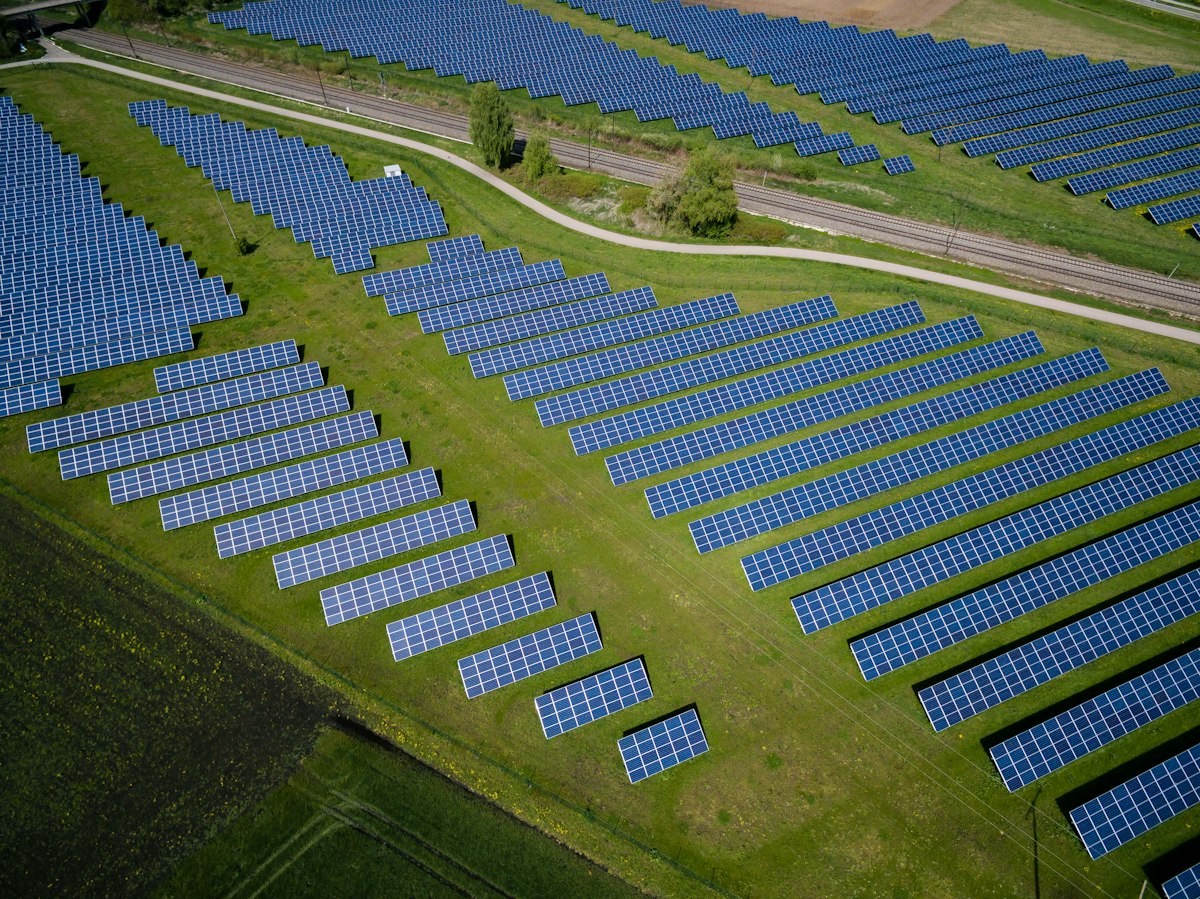
The Texas energy landscape is undergoing a remarkable transformation as the state shifts towards renewable energy sources amidst ongoing volatility in the traditional fossil fuel markets. Recent reports indicate that Texas is now generating over 30% of its electricity from wind and solar, a significant increase from just 20% five years ago.
As of July 2026, Texas is leading the nation not only in overall energy production but also in renewable energy capacity. According to the Electric Reliability Council of Texas (ERCOT), wind power alone accounts for approximately 25% of the state's total electricity generation, while solar power has surged to around 5%. This shift comes as oil prices have hovered around $60 per barrel, compelling many energy companies to diversify their portfolios.
“The urgency for a cleaner energy future is more critical than ever,” stated Dr. Emily Richards, Director of Renewable Energy Research at the University of Texas at Austin. “The fluctuations in oil prices have pushed companies to invest in renewables, not just for environmental reasons, but for economic resilience.”
Major players in the Texas energy market, such as NextEra Energy and Vistra Corp, are leading the charge by increasing their investments in solar and wind projects. NextEra has announced plans to invest $2 billion in new solar farms across West Texas, which are expected to generate an additional 1,500 megawatts of clean energy by 2028. Meanwhile, Vistra Corp has committed to retiring several of its older gas-fired plants in favor of renewable installations.
However, the transition to renewable energy is not without its challenges. The state's energy grid has faced scrutiny over its reliability, especially during extreme weather events. ERCOT has stated that it is taking steps to enhance grid stability and integrate more renewable resources effectively. The need for improved energy storage solutions and grid infrastructure is critical as Texas aims to meet its ambitious renewable energy targets.
In addition to the push for renewables, Texas is also seeing a growing trend towards energy efficiency and innovation. Companies like EnergyHub based in Houston are developing smart technology that allows consumers to better manage their energy usage. This innovative approach not only helps in reducing costs but also supports the state's goal for a more sustainable energy future.
As Texas continues to navigate the complexities of its energy transition, it remains a key player on the national stage. The state's bold moves towards renewable energy could set a benchmark for other states grappling with similar issues of energy independence and sustainability.