
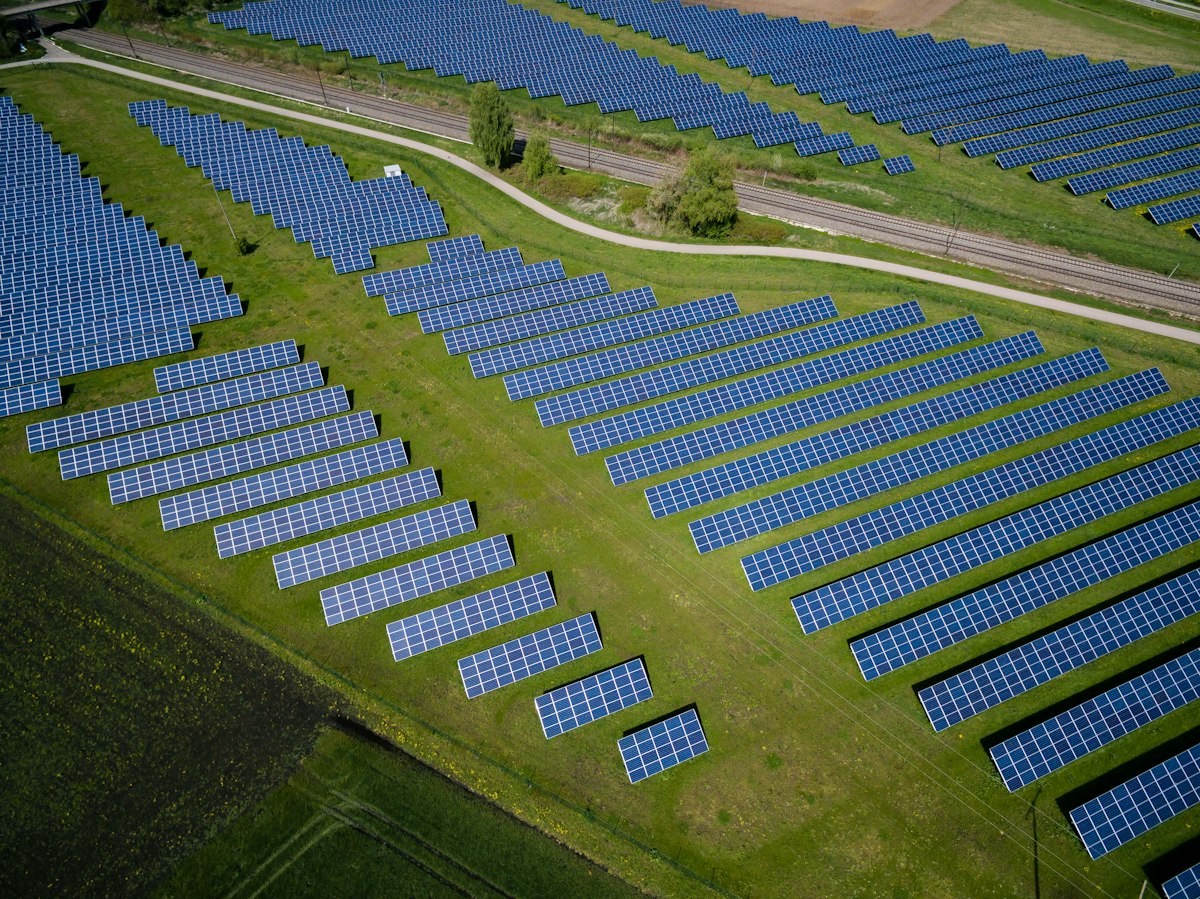
The Texas energy landscape is undergoing a significant transformation as state regulators tighten emissions standards and push for greener energy solutions.
As of July 2026, the Texas Commission on Environmental Quality (TCEQ) has mandated a 25% reduction in greenhouse gas emissions by 2030. This regulatory shift has sparked a wave of investment in renewable energy technologies, with major players like NextEra Energy and Enel Green Power making substantial commitments to solar and wind infrastructure. “It is imperative that we adapt to the evolving regulatory landscape,” said Dave Mendez, CEO of NextEra Energy’s Texas operations. “Our commitment to renewable energy isn't just strategic; it’s essential for compliance and long-term sustainability.”
Austin, once primarily known for its tech startups, is now emerging as a hub for renewable energy innovation. The city’s recent initiative, dubbed the Austin Energy 2030 Plan, aims to achieve 100% renewable energy by the end of the decade, positioning the city as a leader in clean technology.
Financially, the shift is significant. The Renewable Energy Investment Tax Credit (ITC), which provides a 30% tax credit for solar energy investments, is expected to attract over $2 billion in investments in 2026 alone. Analysts project that the total renewable energy market in Texas could exceed $50 billion by 2030, fueled by both state and federal incentives.
While the transition to green energy is gaining traction, it is not without challenges. The Texas grid, primarily designed for fossil fuel generation, faces increased strain as intermittent renewable sources are integrated. ERCOT (Electric Reliability Council of Texas) has initiated a series of upgrades to the grid, investing $1.5 billion in infrastructure improvements to ensure reliability and capacity.
In response to these developments, traditional energy companies are also diversifying their portfolios. ExxonMobil, based in Irving, announced plans to invest $10 billion in carbon capture technology and renewable projects over the next five years. This strategy reflects a recognition that fossil fuels will remain a part of the energy mix, but with an emphasis on reducing their environmental impact.
As Texas leads the charge towards a greener future, other states are watching closely. The success of Texas’s initiatives could set a precedent for the broader U.S. energy landscape, potentially influencing policy and investment trends across the nation. The state’s ability to balance economic growth with environmental responsibility may well serve as a model for others.