
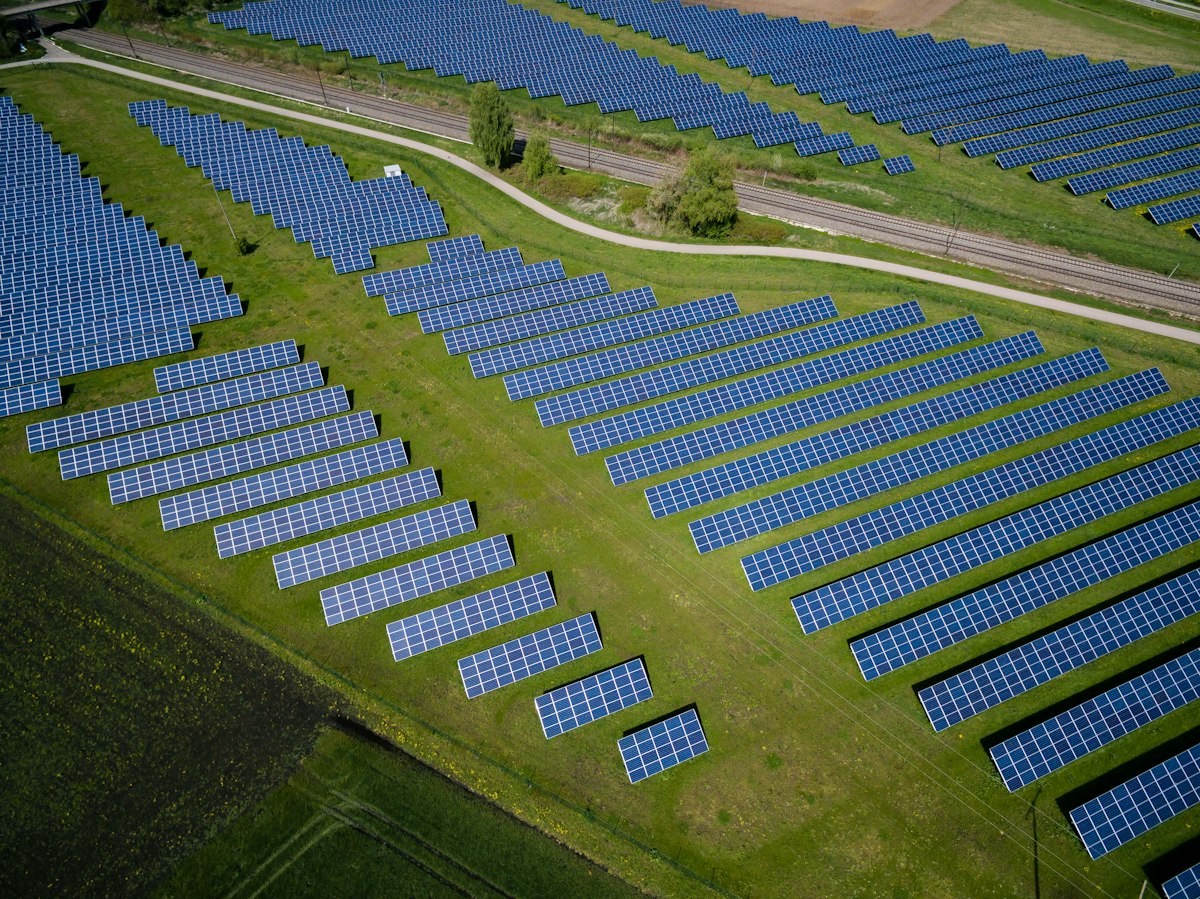
As Texas continues to lead the nation in energy production, the state is witnessing a remarkable surge in investments aimed at expanding its renewable energy sector.
In the first half of 2026 alone, Texas attracted over $5 billion in capital for renewable energy projects, solidifying its position as a front-runner in the transition to cleaner energy sources. Companies like NextEra Energy and Enel Green Power have made significant commitments, furthering efforts to diversify the state's energy portfolio.
According to the Texas Renewable Energy Industry Alliance (TREIA), the state's renewable capacity now exceeds 40 gigawatts, predominantly driven by wind and solar power. This influx of investment aligns with the state's ambitious goal of generating 50% of its electricity from renewable sources by 2030.
"We are witnessing an unprecedented momentum in the renewable sector," said Rick Perry, former Texas Governor and current member of the U.S. Department of Energy. "Texas is not just a leader in oil and gas; we are becoming a powerhouse in renewable energy, setting an example for the rest of the country."
This significant investment wave coincides with an increased demand for clean energy solutions among Texas consumers and businesses. The state's population growth and booming economy have driven energy consumption upwards, necessitating a shift towards sustainable solutions.
Cities like Austin and
The increased focus on renewable energy is not only environmentally driven but also economically beneficial. The Texas economy is projected to gain approximately 60,000 jobs by 2028 in the renewable sector alone, providing a much-needed boost in employment amid fluctuations in traditional energy markets.
However, challenges remain. The grid, primarily managed by the Electric Reliability Council of Texas (ERCOT), must adapt to handle the intermittent nature of renewable energy sources. ERCOT is currently working on upgrades to improve grid resilience and reliability, ensuring that the state's energy demands are met without compromising stability.
As the state's energy landscape continues to evolve, stakeholders are hopeful that these investments will not only enhance Texas's energy security but also contribute to a more sustainable future.