
As Texas experiences a relentless heatwave, the state's energy grid has faced unprecedented demand, pushing operators to their limits.
According to the Electric Reliability Council of Texas (ERCOT), the demand for electricity peaked at 78,000 megawatts on July 22, 2026, surpassing forecasts and setting a new record for summer consumption. The high temperatures, which have consistently hovered above 100 degrees Fahrenheit across major cities like Dallas and Houston, have prompted residents to crank up their air conditioning units.
“We are seeing a strain on the system that we haven’t encountered before,” said ERCOT CEO Brad Jones. “Our grid operators are working around the clock to ensure that we can provide electricity to all Texans during this extreme weather.”
In response to the surge in demand, ERCOT has issued multiple conservation alerts, urging residents to reduce power consumption during peak hours. The organization has emphasized the importance of collective efforts in maintaining grid stability. Officials are also closely monitoring generation capacity, which has been impacted by maintenance outages at several natural gas plants across the state.
Natural gas continues to be the dominant fuel source for Texas's energy production, accounting for approximately 50% of the state’s electricity generation. However, recent reports indicate that some gas facilities have struggled to meet the heightened demand due to mechanical failures and a shortage of pipeline capacity, raising concerns about the reliability of the grid.
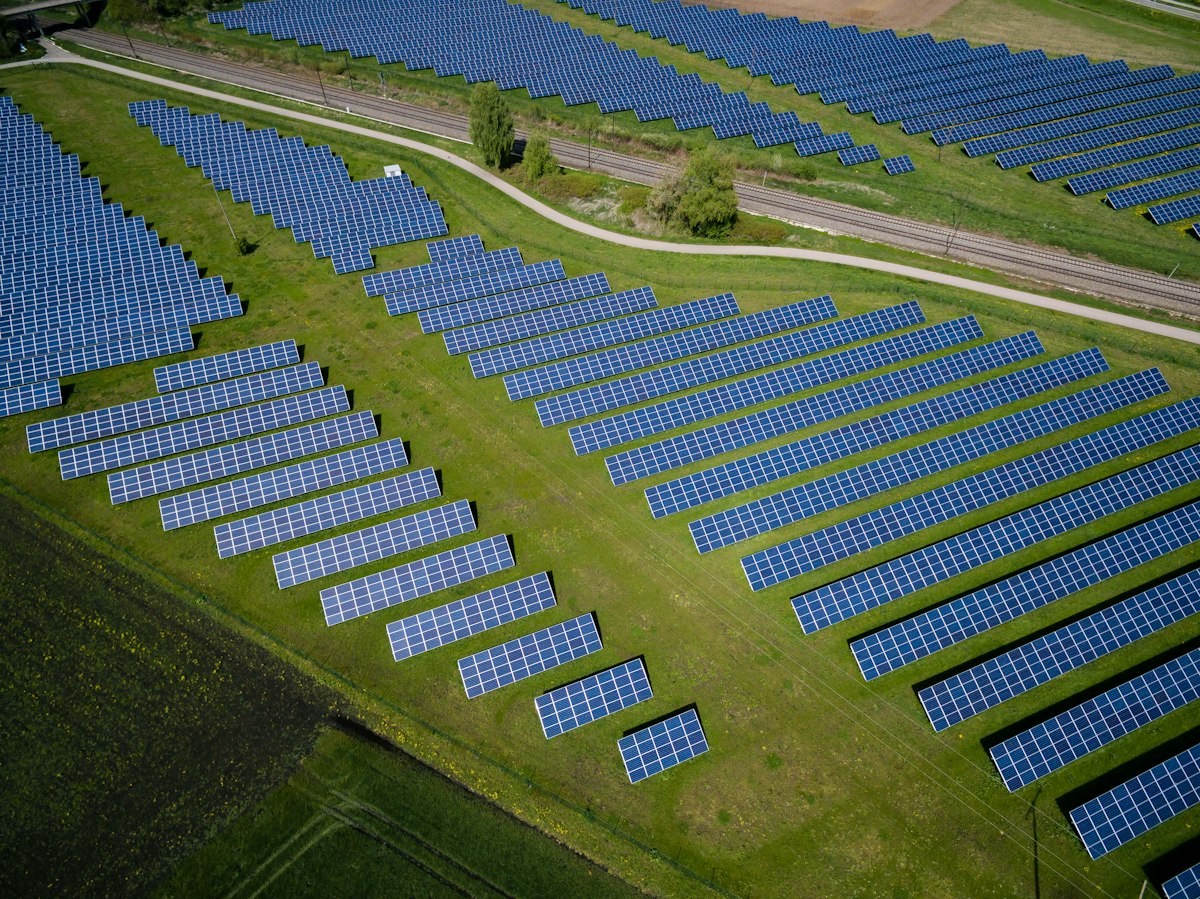
In addition to natural gas, renewable sources such as wind and solar have become increasingly significant players in the Texas energy landscape. On July 21, 2026, wind generation contributed about 25% to the overall energy mix, providing a much-needed buffer against the surging demand. With consistent investments in solar farms across the state, particularly in areas like West Texas, energy operators are optimistic about the future diversification of the grid.
As the summer progresses and the heat shows no signs of abating, the state's energy landscape may face more challenges. Experts stress the importance of long-term strategies to enhance grid resilience in the face of extreme weather events. “We need to invest in both infrastructure and technology to adapt to the changing climate,” stated Energy Secretary Jennifer Granholm during a recent visit to Austin.
With the approaching July 4th holiday, anticipation is building as to whether ERCOT can maintain stability under looming peak demands. As Texans prepare for celebrations, the challenge remains: can the state's energy system withstand the test of this sizzling summer?