
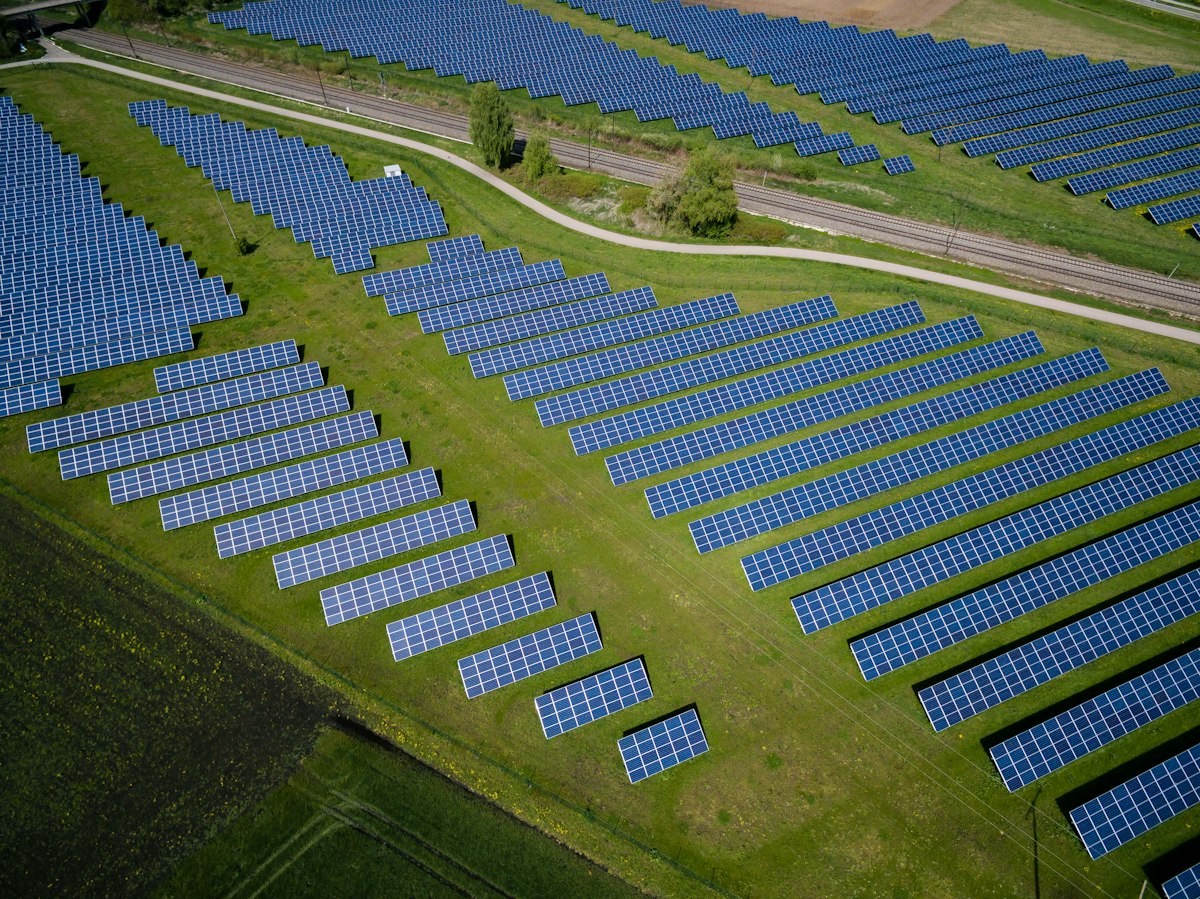
Texas energy companies are increasingly pivoting towards renewable sources, aligning their strategies with new federal policies aimed at reducing carbon emissions. This shift comes as the state grapples with its identity as an energy leader while facing mounting pressure to adopt greener practices.
In recent months, companies like NextEra Energy Resources and Enphase Energy have announced significant investments in solar and wind projects across the state. NextEra, based in Houston, plans to invest $2 billion in expanding its solar capacity, targeting a 40% increase by 2028. This is part of a broader initiative to meet the rising demand for clean energy.
Governor Greg Abbott highlighted the importance of this transition during a recent press conference, stating, “Texas has always been a leader in energy production. Now, we must also lead in sustainable energy solutions.” His administration has encouraged the development of renewable projects through tax incentives and streamlined permitting processes.
The shift towards renewables is also reflected in the investments of Texas Instruments, which has committed $500 million to develop solar farms near its major manufacturing sites in Dallas. This move is expected to reduce the company's carbon footprint by 35% and sets a precedent for other tech giants in the region.
Despite the push for renewables, traditional oil and gas companies are also adapting. ExxonMobil, headquartered in Irving, has unveiled plans to invest $15 billion in carbon capture and storage technologies by 2030. The company aims to achieve net-zero emissions by 2050 while maintaining its operational footprint in the fossil fuel sector.
Industry analysts note that Texas remains uniquely positioned due to its vast natural resources and established infrastructure. Sarah Williams, an energy analyst at BloombergNEF, stated, “The convergence of policy support and technological advancements places Texas at the forefront of the energy transition.”
However, the transition is not without its challenges. The Texas grid, managed by ERCOT, has faced scrutiny for its reliability, particularly following the February 2021 winter storm that caused widespread outages. As renewables become more integrated into the grid, experts warn of the need for enhanced storage solutions and grid stability measures.
In response, ERCOT is collaborating with energy companies to implement advanced battery storage systems. These systems are designed to store excess energy produced during peak solar generation hours, thus mitigating the intermittency issues associated with renewable sources.
As Texas navigates this complex energy landscape, the question remains whether it can balance its rich oil heritage with the pressing need for sustainable innovation. With governmental support, the transition could potentially secure Texas's position as a leader not only in oil and gas but also in renewable energy.