
As Texas continues to lead the nation in energy production, a significant pivot toward hydrogen technology is emerging, promising to reshape the state's energy landscape.
In July 2026, Texas Governor Greg Abbott announced the launch of The Texas Hydrogen Initiative, a comprehensive plan to develop hydrogen as a key component in the state’s transition to renewable energy. The initiative aims to invest $1.5 billion in hydrogen infrastructure, positioning Texas as a leader in the burgeoning hydrogen economy.
“Hydrogen is not just a fuel; it’s a future,” Governor Abbott said during a press conference in Austin. “Our goal is to harness our existing energy resources to create a cleaner, more sustainable energy system for decades to come.”
The initiative comes at a pivotal time as the state grapples with the dual pressures of maintaining energy security and reducing greenhouse gas emissions. According to the U.S. Energy Information Administration (EIA), Texas produced 20% of the nation’s hydrogen in 2025, primarily from natural gas through steam methane reforming. The new plan emphasizes low-carbon hydrogen production methods, including electrolysis powered by renewable sources.
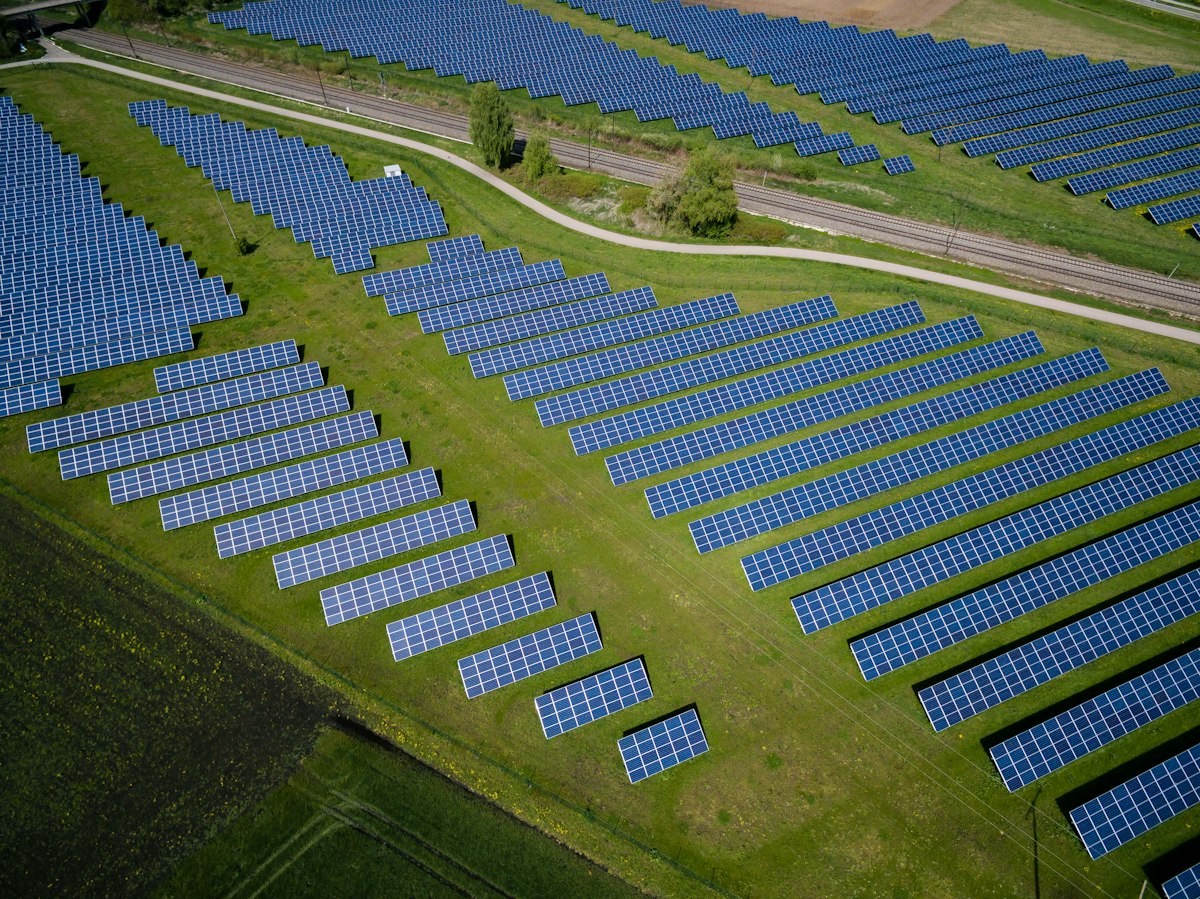
Several Texas companies are already exploring the potential of hydrogen. Houston-based Air Products has announced a $500 million investment in a new facility that will produce green hydrogen, utilizing wind and solar energy to power the electrolysis process. The facility is expected to begin operations by the end of 2027, with a capacity to generate 100 tons of hydrogen per day.
Meanwhile, ExxonMobil, headquartered in Irving, is also making strides in the hydrogen sector. The company recently unveiled plans to invest $3 billion in a carbon capture and storage project that will support hydrogen production from natural gas while significantly reducing emissions. “Investing in hydrogen is part of our long-term strategy to provide energy solutions that meet the demands of a changing world,” said ExxonMobil’s CEO Darren W. Wood.
Critics, however, remain cautious about the feasibility of scaling up hydrogen production. Environmental groups are urging caution, arguing that hydrogen derived from fossil fuels may undermine the state’s climate goals. “We must ensure that our efforts in hydrogen do not compromise the need for truly renewable energy solutions,” said Rachel Wilson, a spokesperson for the Texas Environmental Advocacy Group.
Despite these concerns, the potential for job creation in the hydrogen sector is significant. The Texas Hydrogen Initiative is projected to create over 15,000 jobs in the coming years, with a focus on training and education programs to prepare the workforce for this transition.
As the state rolls out its hydrogen strategy, the implications for Texas’s energy market could be profound. With its vast natural resources, existing infrastructure, and technological expertise, Texas is positioning itself to lead the charge in hydrogen production and distribution, setting a benchmark for other states to follow.