
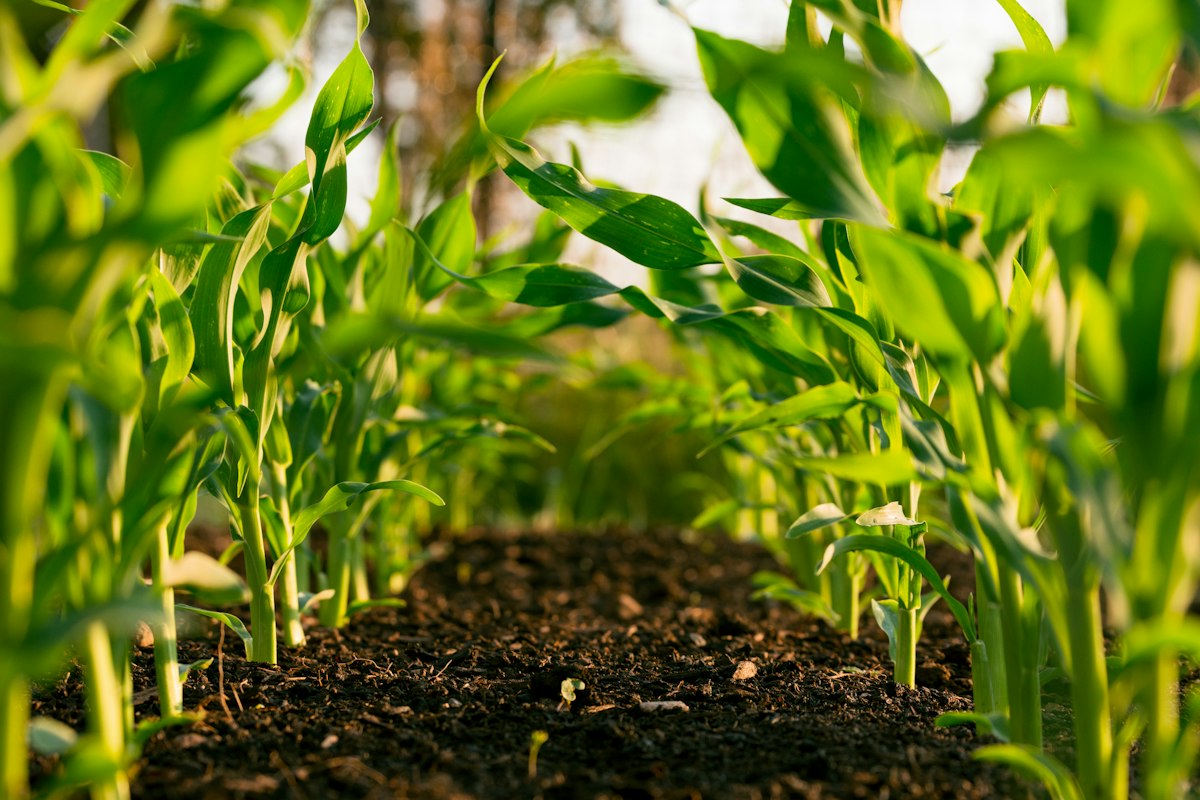
The Texas cotton industry, a pillar of the state's economy, is facing significant challenges as global market dynamics shift dramatically.
In 2026, Texas produced approximately 6 million bales of cotton, accounting for over 50% of the United States' total cotton production. However, trade tensions and changing consumer preferences are putting pressure on prices. Recent reports indicate that cotton prices have dropped by nearly 15% since January, largely due to a slowdown in demand from key markets, including China.
The Texas Cotton Ginners' Association has expressed concern over the decreasing profitability for local farmers. Executive Director Tom Hutton noted, "Farmers are struggling to break even, and many are facing tough decisions about whether to plant cotton next season. The impact of global trade policies is more pronounced than ever before."
In response to these challenges, growers in regions like Waco and Abilene are exploring alternative crops and diversifying their operations. Some have shifted to growing hemp or sunflowers, which can be more profitable and require less water.
Moreover, the U.S. Department of Agriculture (USDA) announced a $10 million grant to support research into sustainable cotton farming practices, aimed at enhancing competitiveness in the global market.
Despite the hurdles, Texas cotton growers are known for their adaptability. Several co-ops are collaborating to enhance marketing strategies and promote Texas cotton's sustainability credentials to attract more environmentally conscious consumers.
As the Texas cotton industry navigates these turbulent waters, farmers remain hopeful that innovations and strategic partnerships will ensure their place in the global textile market.