
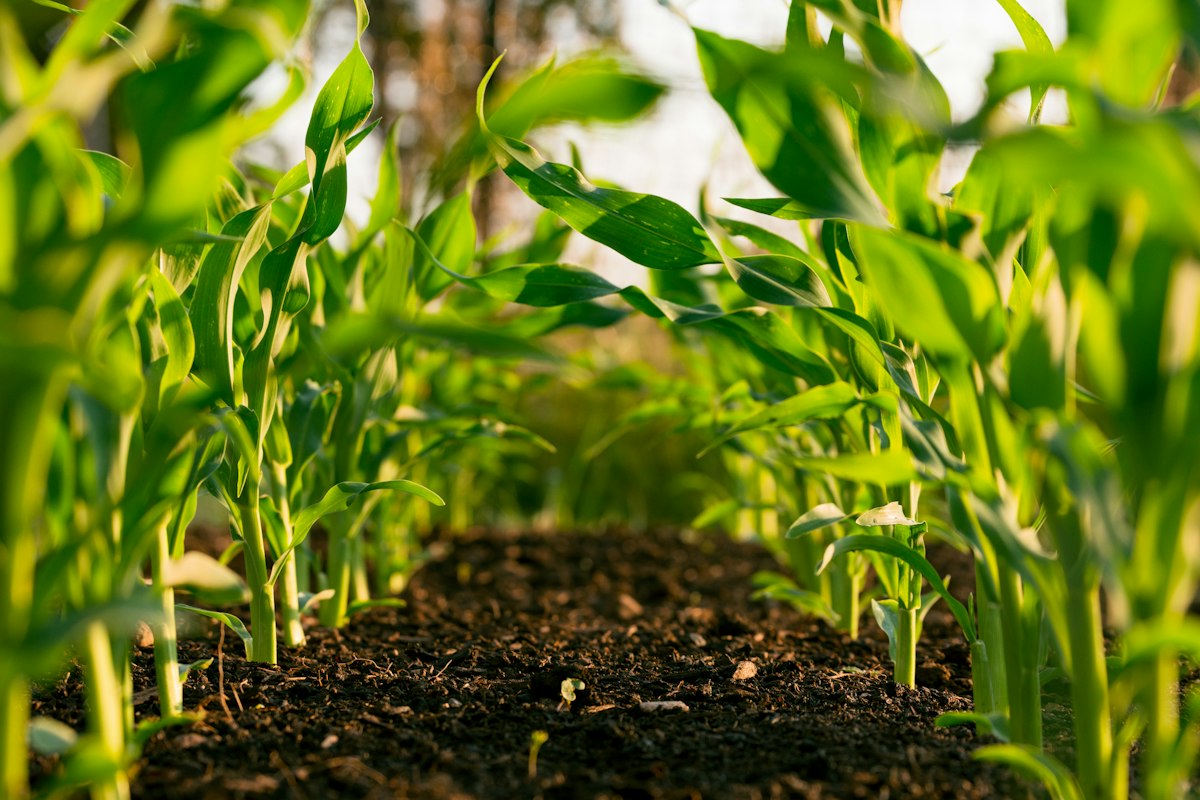
The Texas cotton industry is navigating turbulent waters as global market fluctuations threaten the profitability of one of the state's most iconic crops.
As of July 2026, cotton prices have dropped to an average of $0.85 per pound, down from highs of $1.20 earlier this year. The decrease is largely attributed to increased production from countries like India and Brazil, which have ramped up their output in response to rising global demand.
In Abilene, local grower James Parker expressed concern over the impact of these market changes. "We are facing a more competitive landscape than ever before. It’s not just about growing cotton anymore; it’s about how efficiently we can operate and still make a profit," he stated in a recent interview with the Texas Business Ledger.
The Texas cotton sector contributes approximately $5 billion annually to the state's economy, employing thousands of workers across the supply chain. However, as prices continue to slide, many farmers are contemplating whether to diversify their crops or invest in more sustainable growing practices.
To combat the effects of fluctuating prices, the Texas Cotton Growers Association has begun implementing educational programs focused on cost-efficiency and market strategies. The organization is also advocating for trade policies that would support Texas cotton in the international market.
In a more optimistic turn, experts are noting that the global demand for sustainable and organic cotton is on the rise. According to a recent survey by Technavio, the market for organic cotton is expected to grow by over 25% in the next five years.
Some Texas farmers are already pivoting towards organic practices to capitalize on this trend. Linda Wu, an organic cotton farmer in Graham, remarked, "It’s a risk, but the potential rewards are too good to ignore. The market is changing, and we need to change with it."
As the Texas cotton industry grapples with economic uncertainty, the road ahead will require adaptability, innovative practices, and potentially a reimagining of traditional farming methods.