
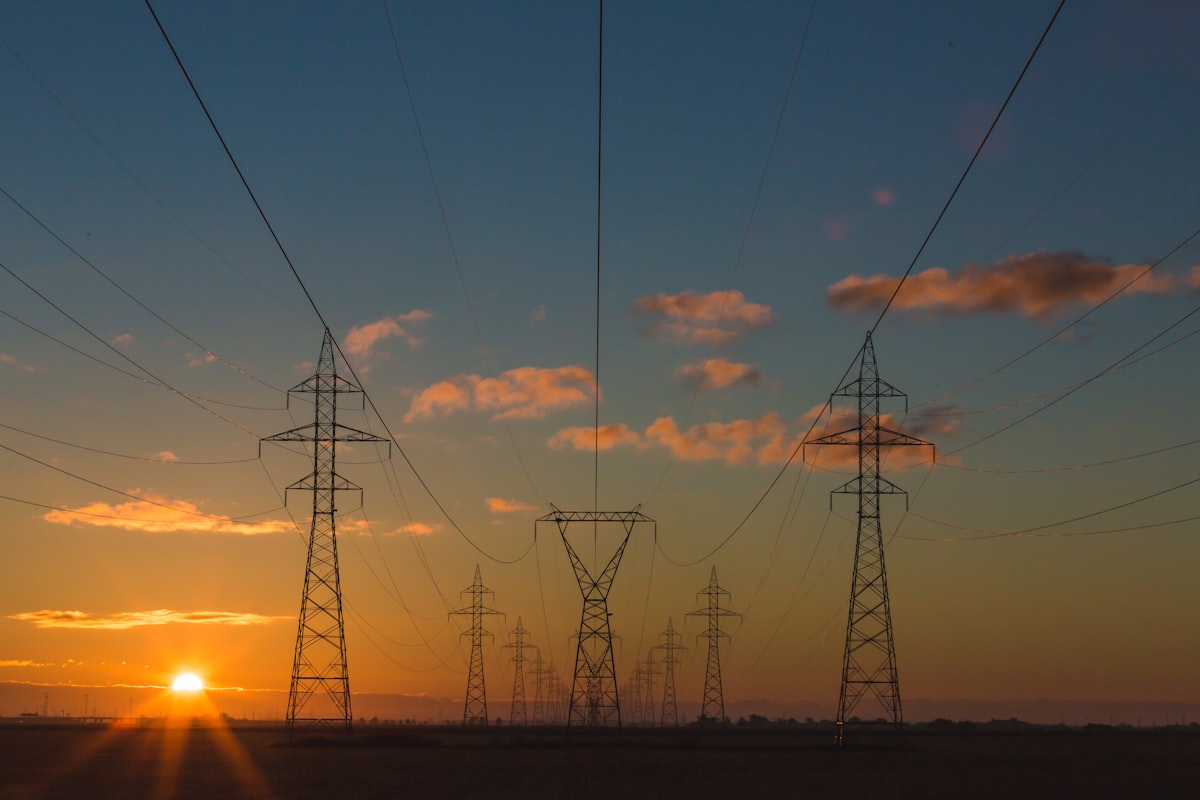
Texas's coal-fired power plants are under increasing scrutiny as the demand for clean energy sources continues to rise and environmental regulations tighten.
According to a report released by the Texas Commission on Environmental Quality (TCEQ), coal-fired plants emitted over 60 million tons of carbon dioxide in 2025, marking a significant contribution to air pollution in the state. The report has ignited a debate about the future of coal in Texas, especially as the state moves towards a goal of reducing greenhouse gas emissions by 35% by 2035.
In light of these findings, Texas Governor Greg Abbott has called for a reevaluation of energy policies to promote cleaner alternatives. “While we recognize the importance of energy independence, we must also take steps to protect our environment for future generations,” Abbott stated during a recent press conference.
The push for cleaner energy is bolstered by a growing consumer preference for sustainable practices. A recent survey conducted by the Texas Energy Efficiency Council revealed that 68% of Texans favor policies that encourage the use of renewable energy over traditional fossil fuels.
Amidst this backdrop, major coal operators like Vistra Corp and NRG Energy are facing increasing pressures to either retrofit their facilities with cleaner technologies or transition to renewable sources. Vistra, which operates several coal plants in Central Texas, announced plans to invest $1.5 billion in transitioning one of its plants to natural gas and associated renewable technologies by 2028.
Critics, however, argue that these transitions are occurring too slowly. Environmental groups have been vocal about the need for more aggressive timelines to phase out coal entirely. “The time for half-measures is over,” said Sarah Jenkins, a spokesperson for the Texas Clean Air Coalition. “We need immediate action to protect our air quality and public health.”
Analysts predict that without significant investment in renewable technologies, Texas's coal plants may find themselves increasingly uncompetitive in the energy market. “As renewables continue to drop in price and efficiency improves, coal could become a relic of the past,” said energy market analyst, Robert Haines.
With climate change becoming an ever-pressing issue, the future of coal in Texas hangs in the balance. The state's energy landscape is on the brink of a significant transformation, and only time will tell how the industry will adapt.