
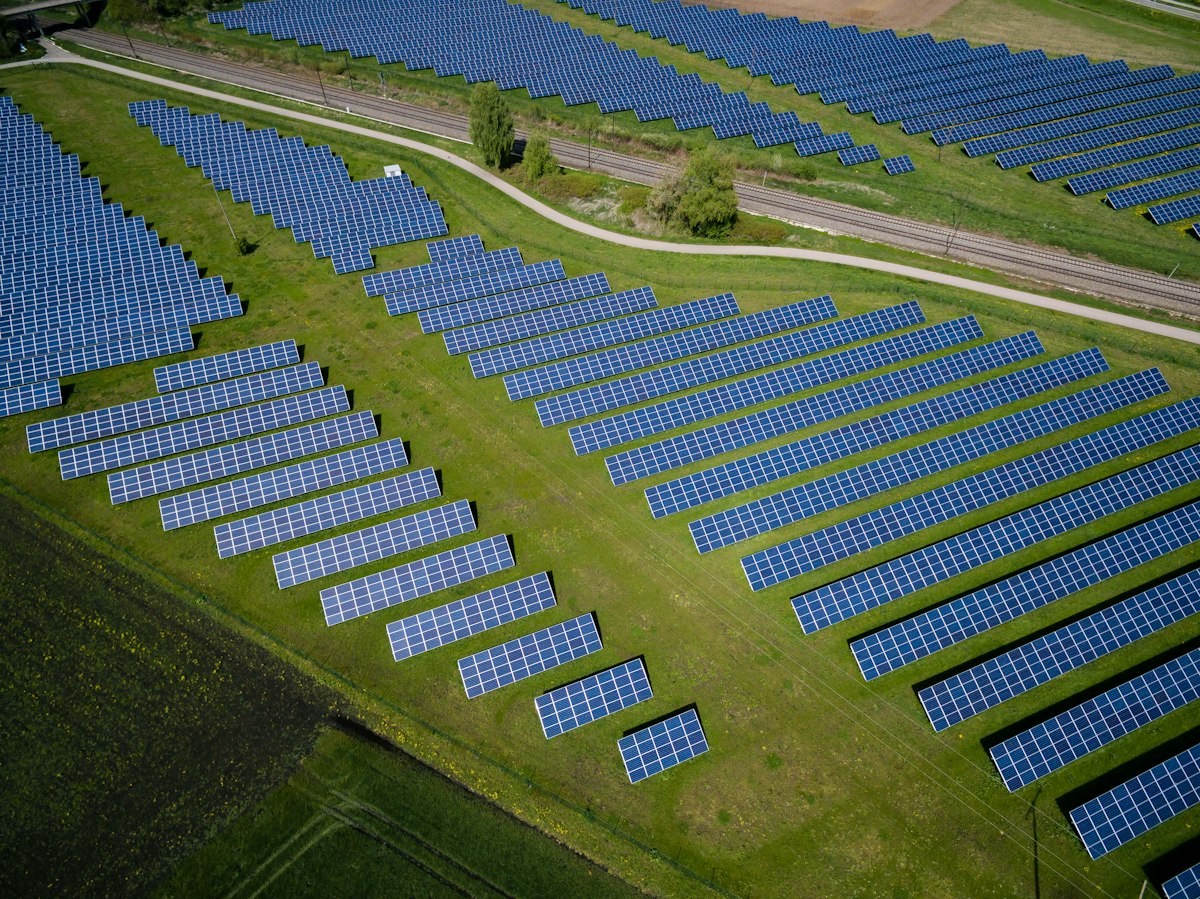
As Texas positions itself to achieve carbon neutrality by 2050, the state is increasingly relying on renewable energy sources to meet its ambitious targets.
The Texas State Legislature recently approved a new energy policy framework aimed at reducing greenhouse gas emissions by 50% from 2005 levels by 2030. This initiative is a part of the state’s broader commitment to achieving carbon neutrality by mid-century and aligns with a global shift towards sustainable energy practices.
“This is a pivotal moment for Texas as we take tangible steps towards a more sustainable energy future,” said State Representative Jane Doe, chair of the House Energy Committee. “Our policies will not only address climate change but also create jobs and drive economic growth.”
To achieve these goals, Texas is ramping up investments in wind and solar energy, which have become increasingly competitive with fossil fuels. According to the U.S. Energy Information Administration, Texas led the nation in both wind and solar generation in 2025, producing over 25 gigawatts of wind power and nearly 15 gigawatts of solar energy. This accounts for approximately 50% of the state's total energy generation.
In addition to expanding renewable energy infrastructure, Texas is focusing on energy storage solutions to ensure reliability during peak demand periods. Companies like Enphase Energy, based in Austin, are at the forefront of developing advanced battery systems that allow for efficient energy storage and distribution.
Moreover, significant federal funding is being directed to Texas under the Bipartisan Infrastructure Law, aiming to bolster renewable energy capabilities. The state is set to receive over $1 billion for green energy investments, with a focus on modernizing the electrical grid and enhancing transmission capabilities.
Despite these positive strides, challenges remain. The Texas energy market is still heavily reliant on natural gas, which accounted for over 40% of the state’s energy production in 2025. Concerns about energy reliability during extreme weather events persist, especially after the 2021 winter storm, which exposed vulnerabilities in the grid.
As Texas embarks on this ambitious journey toward sustainability, the integration of traditional and renewable energy sources will be critical. The state aims to serve as a model for energy transition while ensuring economic stability and reliability for its residents.