
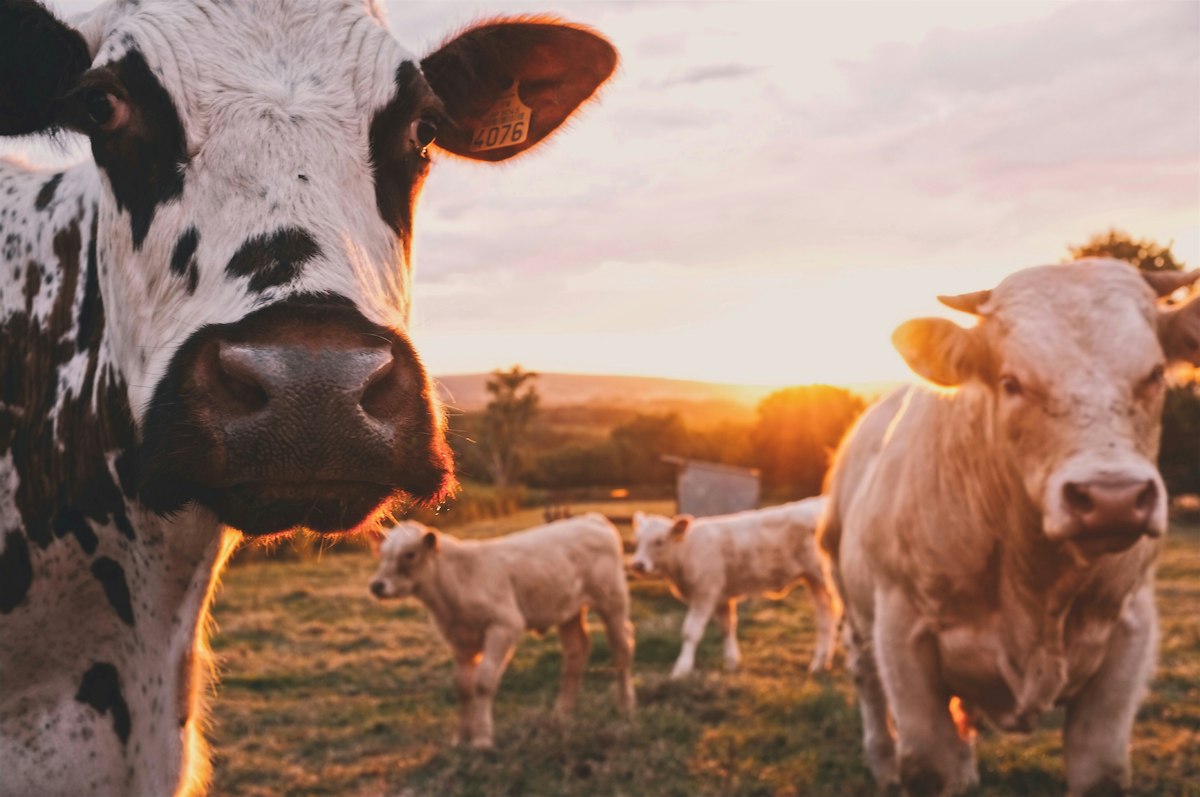
The agricultural landscape of Texas is undergoing significant changes as climate change increasingly impacts weather patterns across the state. As severe droughts, torrential rains, and fluctuating temperatures become more common, Texas farmers and ranchers are forced to adapt their practices to ensure sustainability and productivity.
According to the Texas Department of Agriculture, the state has witnessed an alarming increase in average temperatures, rising by 2.5 degrees Fahrenheit over the past 50 years. This shift has led to variations in crop yields and livestock production, raising concerns about food security and economic viability in the region.
In response to these challenges, many producers are turning to innovative agricultural technologies. For instance, a cooperative based in Lubbock, Texas, named Texas Tech AgriPartners, is leading the charge by integrating precision agriculture techniques that utilize data analytics and real-time monitoring to optimize water usage and crop health.
“We are not just dealing with weather changes; we are in a race against time to implement strategies that ensure our survival,” said Dr. Emily Thompson, a leading agricultural economist at Texas A&M University. “Farmers need to adopt these technologies to remain competitive and resilient.”
The Texas A&M AgriLife Extension Service reported that farmers adopting precision irrigation have seen water savings of up to 30% while maintaining yield levels. Furthermore, the use of drought-resistant crop varieties has gained traction, with Texas corn yields expected to increase by 15% in 2026 compared to previous years.
Despite these positive developments, the road ahead remains fraught with challenges. The U.S. Drought Monitor indicates that approximately 40% of Texas is currently experiencing severe drought conditions, which not only affects crop production but also raises the price of feed for livestock. The state’s cattle ranchers, who represent a $10 billion industry, are feeling the pinch as water supplies dwindle.
“We are having to make tough decisions about our herds,” shared James Harris, a rancher from Amarillo. “Every day we’re monitoring pasture conditions and adjusting our feeding strategies. It’s a constant battle.”
The Texas Legislature has recognized these pressing issues and is considering legislation to allocate funds for water conservation initiatives and agricultural research grants. These measures aim to bolster the resilience of the agricultural sector, ensuring that Texas remains a leader in food production.
As the agricultural community rallies to combat these climate-induced challenges, the future of Texas agriculture will likely depend on innovation, adaptation, and collaboration among farmers, ranchers, and policymakers.