
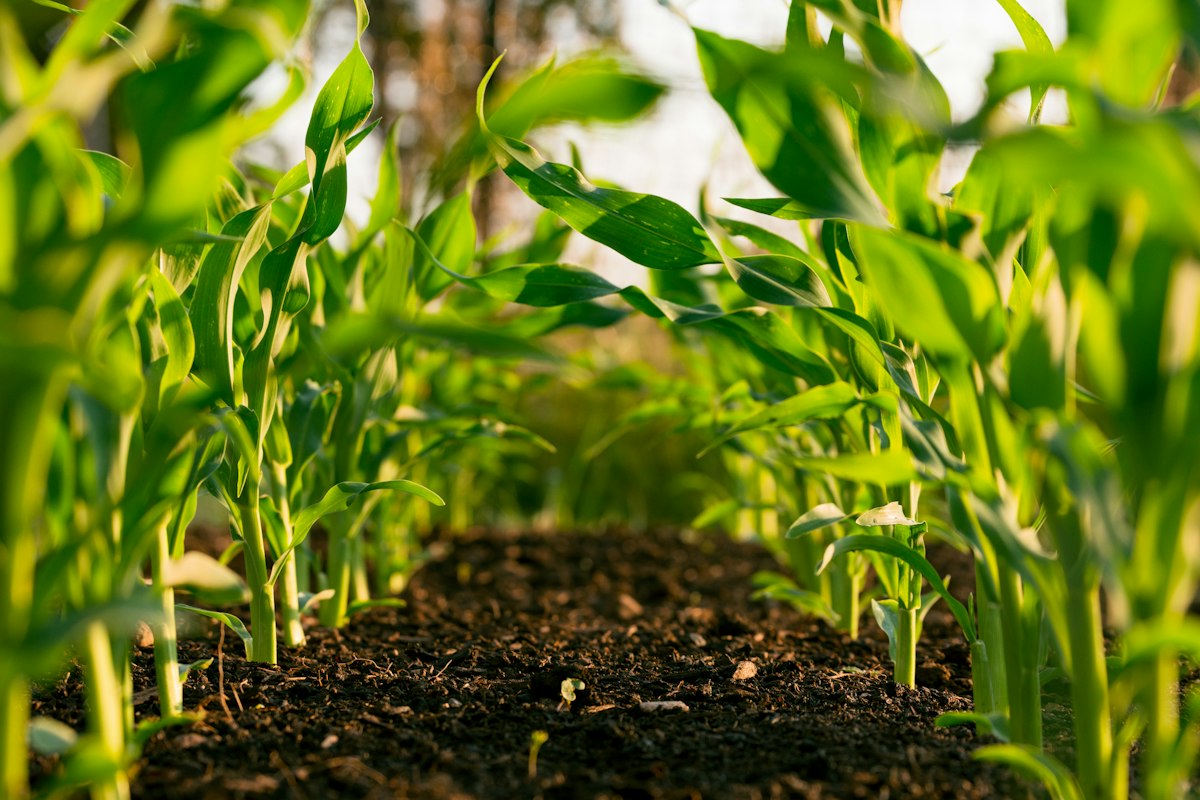
In a significant boost for the Lone Star State's economy, Texas agricultural exports have reached unprecedented levels, driven by rising global food demand and the state’s commitment to quality production.
According to the Texas International Trade Commission, agricultural exports in Texas totaled $45 billion in 2025, marking a 15% increase from the previous year. This surge can be attributed to strong international demand for Texas staples such as beef, cotton, and corn, with countries like China and Mexico leading the charge as top importers.
The Texas beef industry has particularly benefited, with export values climbing to over $7 billion in 2025. “Texas beef is recognized globally for its quality, and our producers are meeting that demand head-on,” stated David Anderson, an agricultural economist at Texas A&M University. “The global market is vital for our economic stability.”
Furthermore, the recent trade agreements with Asian countries have opened new doors for Texas farmers. The Texas Cotton Association reported that cotton exports are expected to increase by 10% this year, with the total value projected at $3 billion. This increase reflects the growing textile manufacturing sectors in Asia, where demand for cotton remains robust.
However, challenges remain on the horizon. Supply chain disruptions stemming from the COVID-19 pandemic still persist, leading to increased logistics costs for farmers. In response, many Texas agricultural producers are investing in technology to streamline operations and enhance supply chain efficiency.
To further capitalize on these export opportunities, the state is actively promoting agricultural trade missions. Recently, Texas officials participated in a trade mission to Asia, aimed at forging new partnerships and expanding market access for Texas products.
As these efforts continue, Texas stands poised to reaffirm its status as a leading agricultural exporter, contributing significantly to both local economies and global food security. With the right strategies in place, the state’s agricultural sector may very well be on the brink of its most prosperous era yet.