
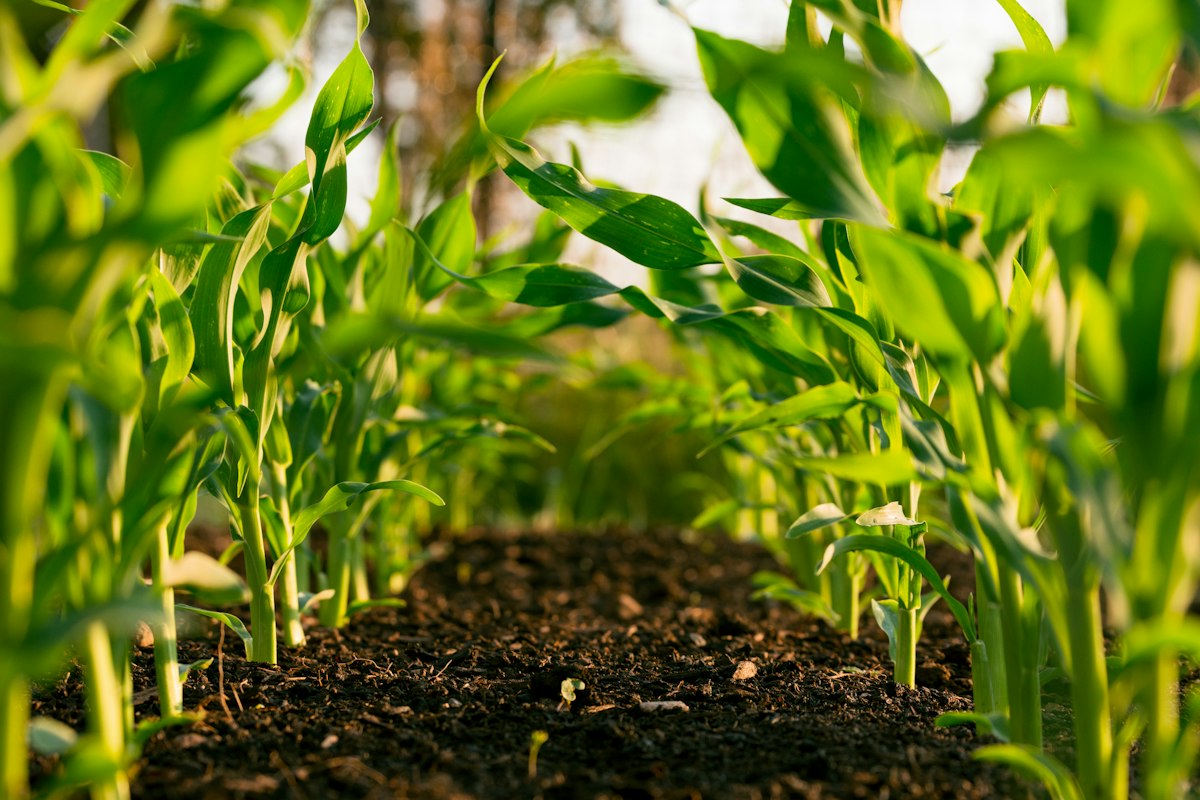
As consumer demand for organic products skyrockets, Texas agribusinesses are rapidly adapting to meet this new market challenge.
In 2026, the organic farming sector in Texas has seen a remarkable growth rate of 25%, according to the Texas Organic Farmers and Gardeners Association (TOFGA). Notably, companies like Green Fields Organic Farms in Austin have expanded their operations to include more organic vegetables, leveraging innovative farming techniques.
“The demand is unprecedented,” stated Sarah Thompson, the CEO of Green Fields. “We’ve seen our sales triple in just two years, and we’re committed to scaling our production sustainably.” With more consumers opting for organic options, particularly in urban areas, Texas farms are under pressure to ramp up their output while maintaining quality.
To facilitate growth, the Texas government has introduced tax incentives for organic farmers, reducing costs by up to 15% for qualifying operations. This initiative is a strategic move to position Texas as a leader in the organic market, which is projected to reach $15.6 billion nationally by 2027.
However, challenges remain. Transitioning to organic certification can be lengthy and expensive. As outlined by TOFGA, the process can take up to three years and incur costs that can exceed $5,000. Despite these hurdles, many farmers are willing to invest in organic practices.
In light of this growth, education and training programs are essential. Local universities, such as Texas A&M, are ramping up their extension services to provide farmers with the necessary knowledge to thrive in the organic sector. The collaboration between academia and industry could prove pivotal in maintaining Texas’s competitive edge in agriculture.