
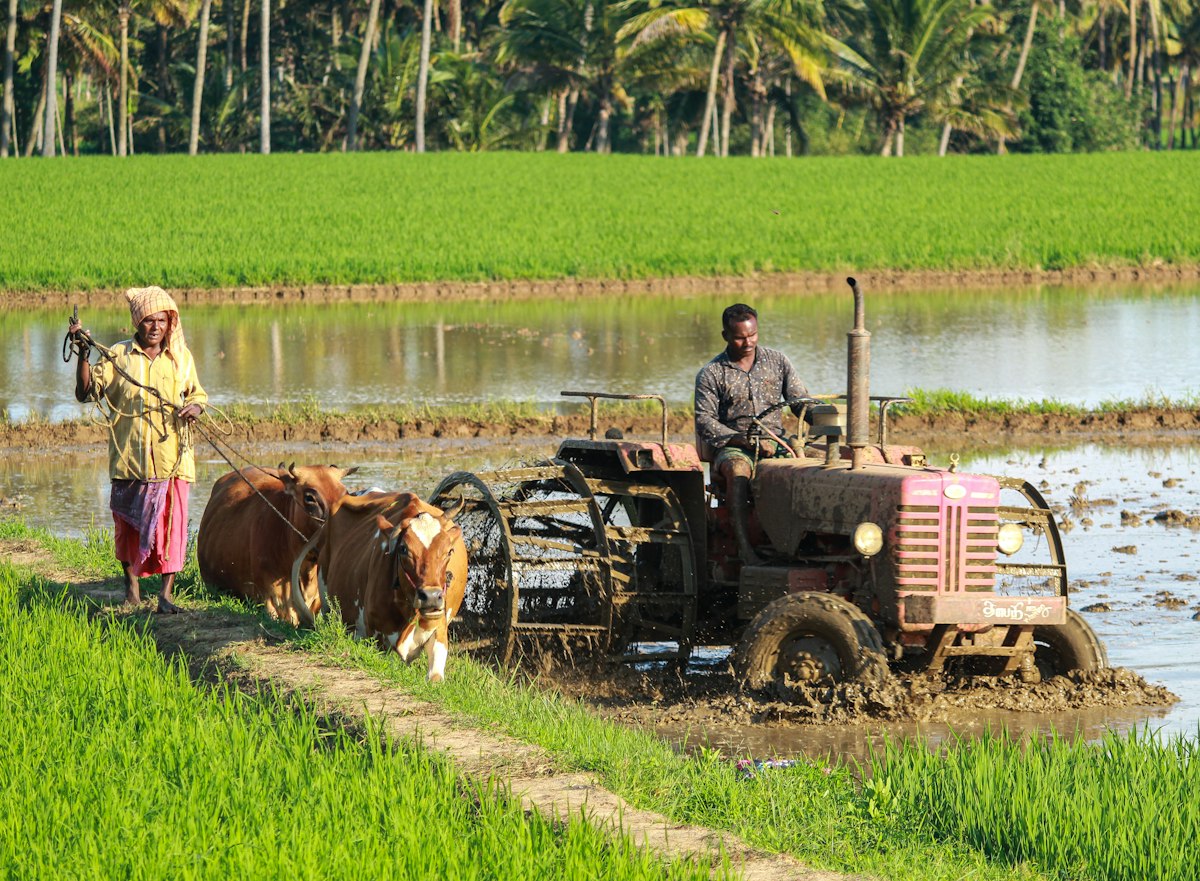
As Texas's agribusiness sector continues to expand, a pressing workforce shortage is complicating growth efforts across the industry.
The Texas Workforce Commission reported that agribusinesses are facing a shortage of approximately 30,000 workers this year, largely attributed to an aging workforce and immigration policy challenges. This shortage is particularly pronounced in regions like the Rio Grande Valley, where agricultural productivity is critical to the local economy.
Local growers, including the Garcia Farms in Harlingen, are struggling to find enough hands for seasonal harvests. "We are facing a crisis; without adequate labor, we can't meet the demands of our crops or our customers," said Elena Garcia, co-owner of Garcia Farms. "We’ve had to cut back on planting this season because we simply cannot find the workers to harvest our crops."
In response, Texas agribusiness leaders are advocating for more flexible immigration policies that would allow for a more reliable temporary labor workforce. Moreover, they are increasingly exploring automation as a potential solution to mitigate the impact of labor shortages. Robotic harvesting technologies are beginning to gain traction, though the upfront costs remain a significant barrier for many small to mid-sized farms.
Educational institutions, such as Texas A&M University, are also stepping up by offering training programs that focus on agricultural technology and modern farming practices. These programs aim to equip a new generation of workers with the skills needed to thrive in the evolving agribusiness landscape.
As the Texas agribusiness sector continues to grow, addressing the workforce shortage will be crucial for sustaining productivity and economic stability. The collaboration between growers, policymakers, and educational institutions will be essential in creating a resilient and skilled workforce for the future.