
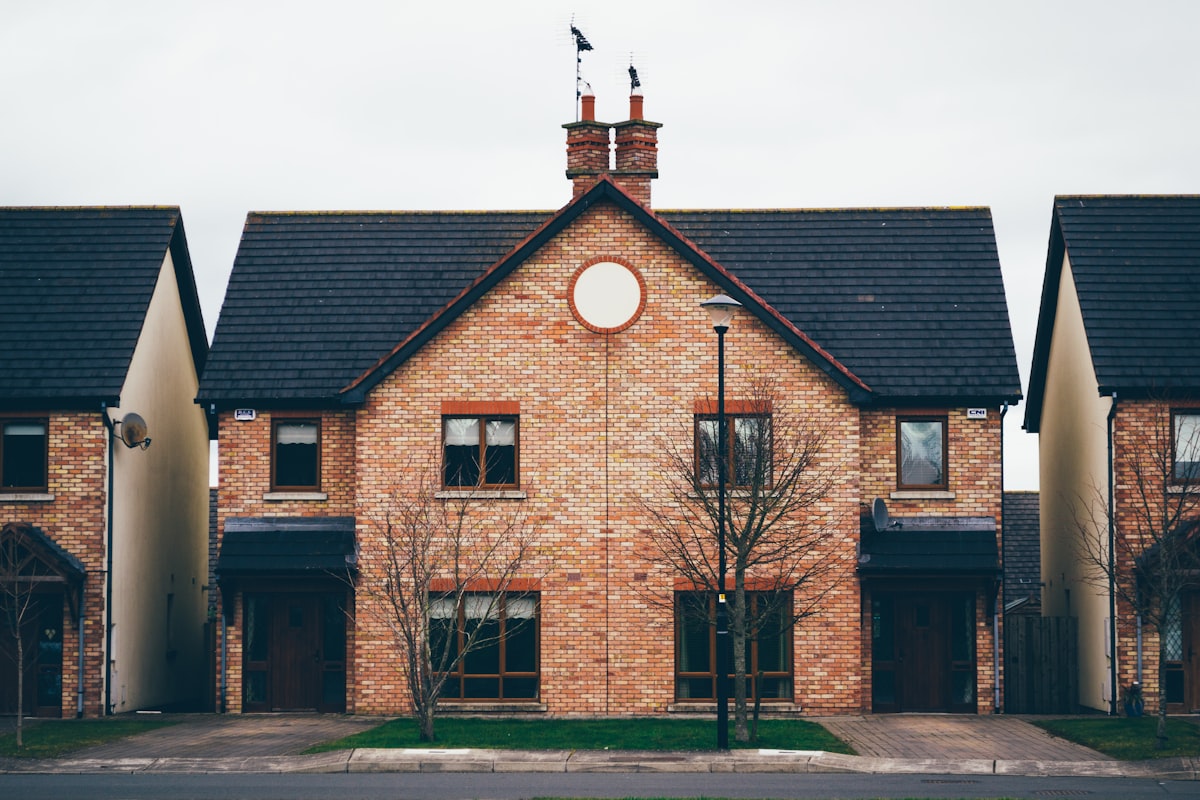
As environmental concerns gain traction among homebuyers, the demand for sustainable and energy-efficient buildings is witnessing a significant rise in Texas, reshaping the real estate landscape.
The Texas Green Building Council reports that certified green homes now account for over 25% of new residential constructions in urban areas, a noticeable increase from just 10% five years ago. This trend is particularly evident in cities like San Antonio, where developers are focusing on eco-friendly materials and energy-efficient designs.
One notable project is the EcoHomes initiative in San Antonio, which features homes equipped with solar panels, rainwater harvesting systems, and energy-efficient appliances. Local developer Mark Johnson stated, “Sustainable living is not just a trend; it’s becoming a standard expectation among buyers.”
In Austin, the city’s commitment to sustainability is reflected in its 2026 update to the Climate Action Plan, which aims for a 50% reduction in greenhouse gas emissions by 2030. This has spurred builders to incorporate green building practices, making energy-efficient homes increasingly appealing.
The rise in demand for sustainable properties has also caught the attention of investors. A recent survey by the National Association of Realtors revealed that 70% of homebuyers are willing to pay a premium for green features, translating to an average increase of $25,000 in home values.
Moreover, the Texas housing market is seeing a shift towards renewable energy solutions. Solar energy installations have surged by 40% since 2024, according to the Texas Solar Power Association, with many new homes being built with solar panel systems as a standard feature.
Cities like Fort Worth are promoting sustainability through incentives and grants for green building projects, aiming to attract environmentally conscious residents and businesses. Fort Worth Mayor Betsy Price emphasized, “Our goal is to create a more sustainable future for our community, and that starts with our homes.”
As Texans increasingly prioritize sustainability, the real estate market must evolve to meet these expectations, paving the way for a greener future in the Lone Star State.