
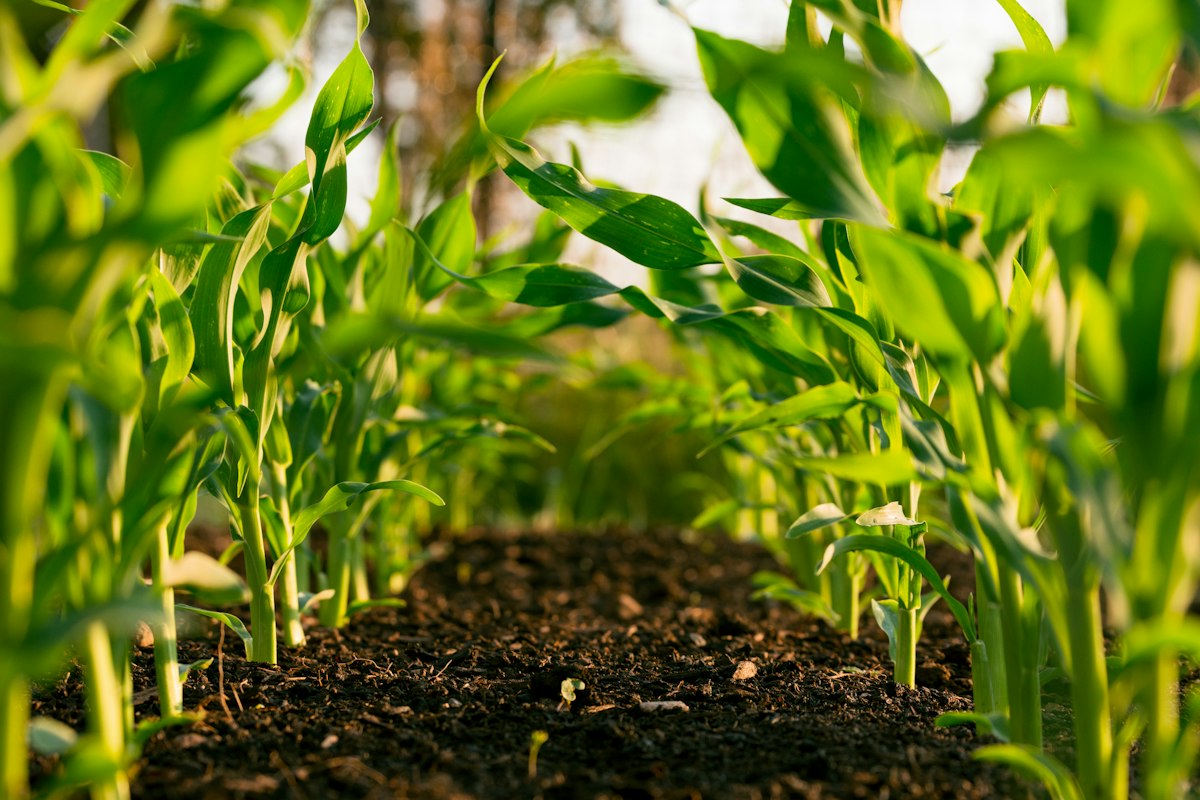
In the heart of Texas, a quiet revolution is underway as technology melds with agriculture, creating more sustainable farming practices. As the state grapples with environmental challenges, tech innovators are stepping up, helping farmers maximize yields while minimizing their ecological footprint.
Companies like AgriTech Innovations, based in Austin, are at the forefront of this transformation. They have developed advanced sensor technology that allows farmers to monitor soil moisture levels in real time, enabling more efficient water use. According to CEO Sarah Thompson, “Our goal is to empower farmers with information that helps them make smarter decisions. In a state like Texas, every drop of water counts.”
The implementation of precision agriculture techniques is also gaining momentum. Farmers across the state are using drones and satellite imagery to assess crop health, thus reducing the need for pesticides and fertilizers. By utilizing data analytics, Texas farmers are predicted to improve their crop yields by as much as 20% while significantly lowering input costs.
In addition to crop farming, the livestock sector is also leveraging technology. Texas A&M University is conducting research on smart collars for cattle, which track health metrics and even location data. This innovation is expected to enhance livestock management, potentially saving ranchers up to $10,000 per herd annually.
However, transitioning to these innovative practices requires investment and education. The Texas Department of Agriculture announced a new grant program in June 2026 aimed at helping farmers adopt sustainable technologies, with an initial budget of $5 million. “We believe that supporting our farmers in embracing technology is crucial for the future of Texas agriculture,” remarked Agriculture Commissioner Tom Vilsack.
As discussions around climate change and food security continue, the role of technology in agriculture is becoming increasingly critical. With Texas being one of the largest agricultural producers in the U.S., the state’s efforts in adopting sustainable practices could serve as a blueprint for farmers nationwide.