
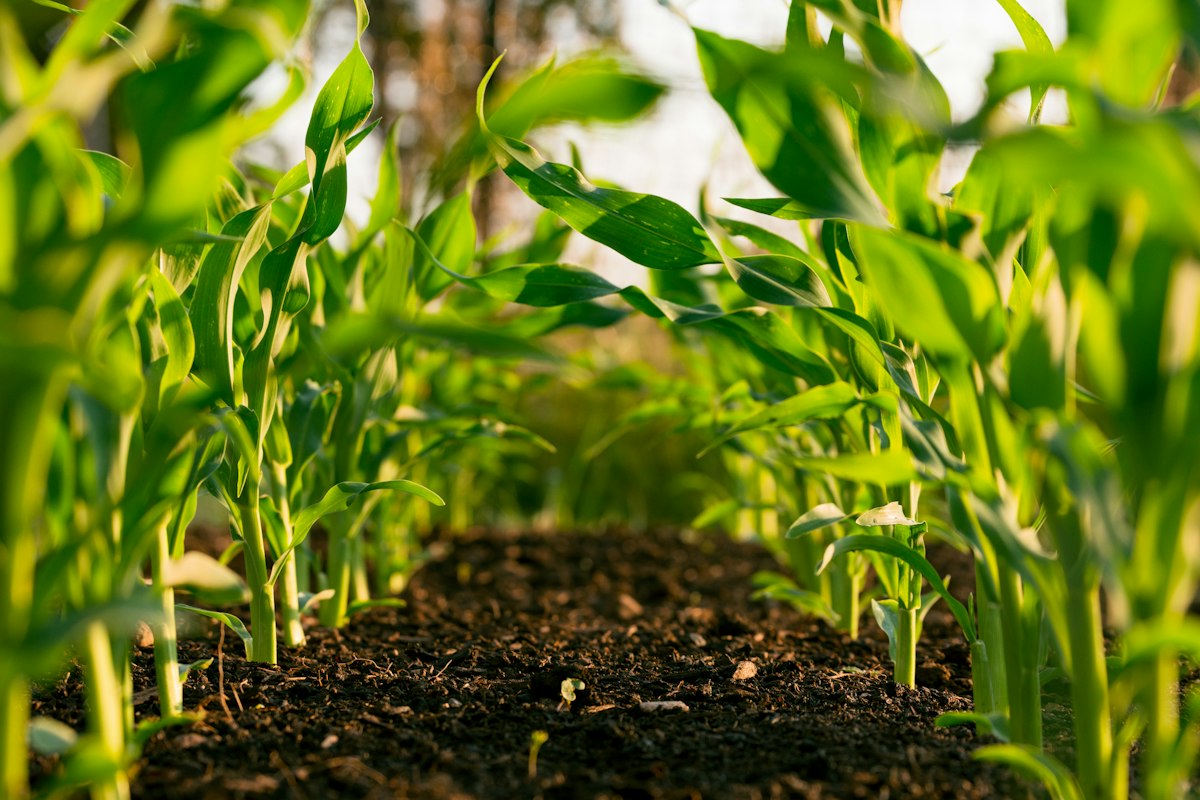
In a state known for its vast ranchlands, Texas farmers are increasingly adopting sustainable and regenerative agriculture practices to combat climate change and soil degradation.
Regenerative agriculture focuses on restoring soil health, enhancing biodiversity, and improving water retention. According to the Texas A&M University System, approximately 30% of Texas ranchers are incorporating these methods into their operations. This shift is particularly evident in areas like the Hill Country and the Panhandle, where drought has become a persistent challenge.
One prominent advocate for sustainable ranching is Laura J. Wells, a rancher based near Fredericksburg. "We've seen firsthand how regenerative practices not only improve our land but also increase our resilience to extreme weather events," she noted during a recent seminar on sustainable farming. "It's about creating a healthy ecosystem that benefits both our livestock and the environment."">
Wells' ranch has implemented practices such as rotational grazing, cover cropping, and integrated pest management. These methods have resulted in a 25% increase in soil organic matter over the past three years, according to her assessments. She emphasizes that these practices are not just beneficial for the environment but can also lead to increased profitability.
In Texas, the market for grass-fed beef is expanding, with consumers increasingly seeking sustainably raised products. In 2025, sales of grass-fed beef in Texas reached $300 million, a growth of 40% from the previous year. As consumer demand rises, ranchers are finding economic incentives to make the transition to sustainable practices.
To support this movement, organizations such as the Texas Sustainable Agriculture Coalition are offering grants and resources to help ranchers adopt regenerative practices. Their latest initiative, which launched in June 2026, aims to provide $5 million in funding for projects that focus on soil health and water conservation.
As the conversation around sustainable agriculture continues to grow, Texas ranchers are at the forefront of this movement, demonstrating that profitability and ecological responsibility can go hand in hand.