
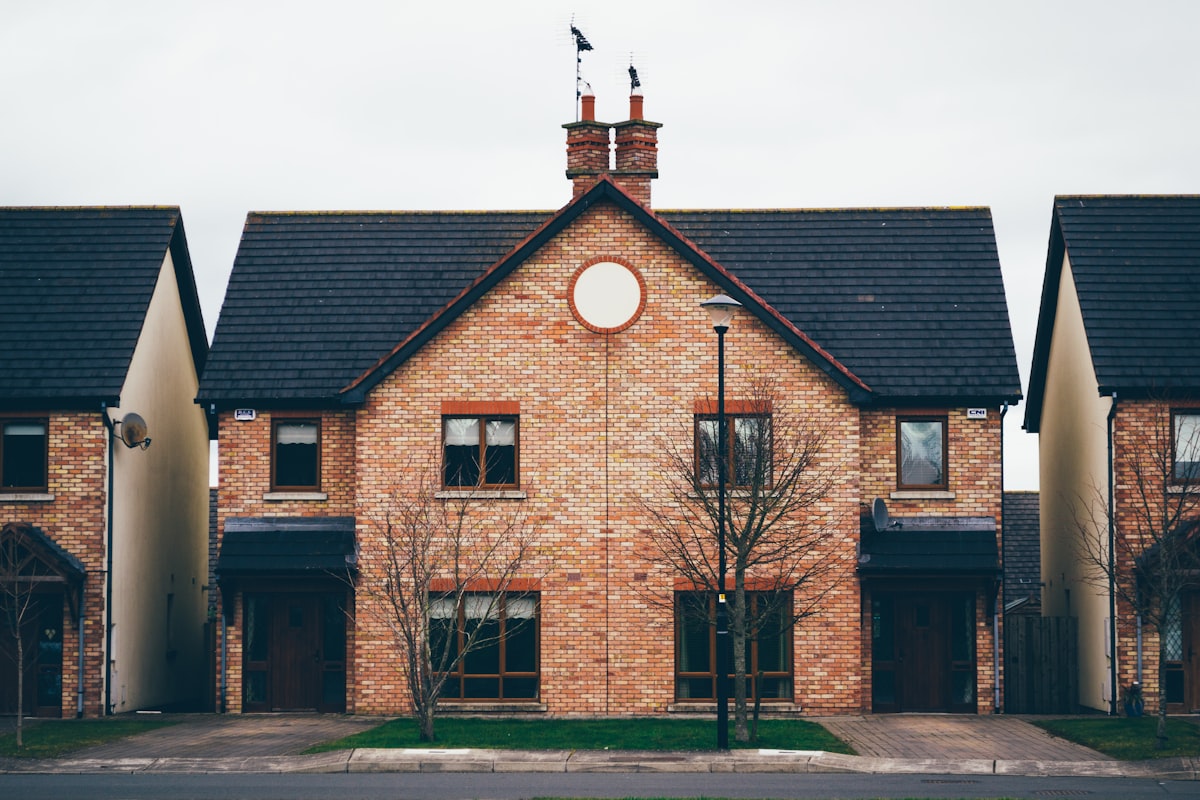
San Antonio is witnessing a booming rental market, driven largely by a surge in population growth and an influx of new residents seeking housing.
Recent statistics from the U.S. Census Bureau reveal that San Antonio's population has increased by 13% since 2020, making it one of the fastest-growing cities in the United States. As a result, the rental market has become increasingly competitive, with average rental prices climbing 12% over the past year to $1,500 per month.
Local landlords and property management companies are feeling the pressure as demand for rental units outpaces supply. "We’ve seen multiple applications for each unit we list, and it’s clear that people want to live here," noted Maria Gonzalez, a property manager at Alamo City Rentals. "The challenge is finding enough quality properties to meet this high demand."
The increased competition in the rental market has also led to a rise in tenants seeking longer lease terms, with many landlords now favoring one-year leases over short-term options. This trend is further compounded by the city's cultural attractions and employment opportunities, which continue to draw newcomers.
In response to the rent hikes, city officials are collaborating with developers to explore affordable housing initiatives. Mayor Ron Nirenberg stated, "We need to ensure that as our city grows, we also provide affordable housing options for all residents. It’s crucial to maintain the quality of life that San Antonio is known for."
Analysis by the San Antonio Board of Realtors indicates that the rental vacancy rate has dipped to a mere 5%, creating an urgent need for new construction projects. Developers are now focusing on building multi-family units to address the growing demand.
Looking ahead, many industry experts predict that the rental market will continue to thrive as San Antonio's population grows. "With the city's strong economy and vibrant culture, we expect the demand for rental properties to remain strong," said economist Laura Bennett.
As San Antonio navigates these changes, the interplay between supply and demand will be critical in shaping the city’s housing landscape for years to come.