
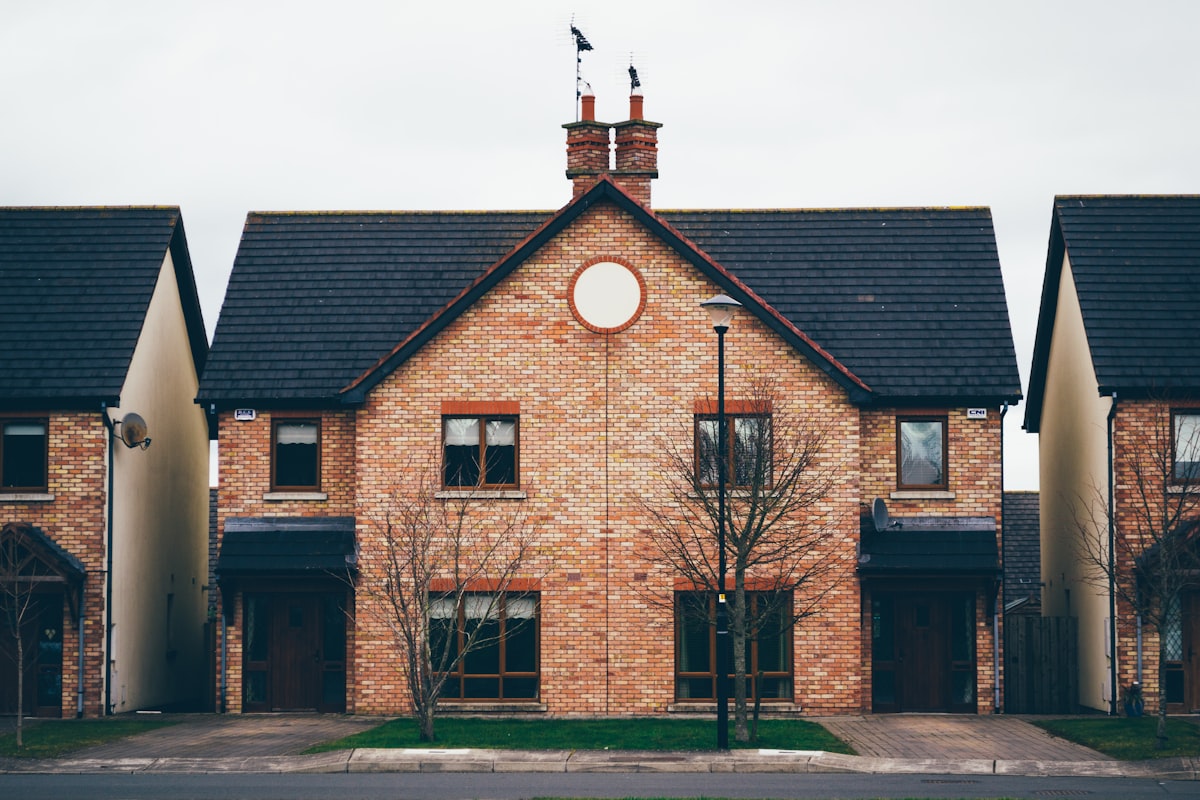
San Antonio is experiencing a real estate boom, fueled by a surge in population and a robust economy, but this rapid growth also presents significant challenges.
Recent census data shows that San Antonio’s population has increased by 12% in the past five years, making it one of the fastest-growing cities in Texas. This influx has driven demand for housing, pushing the median home price up to $360,000, a significant rise from $300,000 in 2021.
However, the rising prices have made homeownership increasingly unattainable for many residents. Local officials and housing advocates are sounding the alarm. “We need to create more affordable housing options to keep our community diverse and vibrant,” said Maria Gonzalez, a housing policy advisor for the city.
In response to the crisis, the San Antonio City Council has initiated several measures to increase affordable housing stock, including a new $50 million fund aimed at incentivizing developers to build low- and moderate-income housing. The fund is part of a broader strategy to address the housing needs of the city's growing population.
Despite these initiatives, many developers are hesitant to enter the market due to rising construction costs and regulatory hurdles. “The challenges we face are significant, and without incentives, it’s tough to justify new projects,” commented John Lewis, a prominent developer in the area.
Moreover, the demand for housing has begun to impact rental markets as well, with average rents rising by 10% over the past year. This trend has raised concerns among renters, particularly students and low-income families.
As San Antonio forges ahead, the need for strategic planning in the real estate sector is paramount. “If we don’t act now, we risk creating a situation where only the affluent can afford to live here,” Gonzalez warned.
Balancing growth with sustainability remains a challenge for San Antonio, as the city seeks to maintain its character amid an unprecedented real estate boom.