
San Antonio's housing market is experiencing an unprecedented boom, but rising concerns about sustainability and affordability loom large.
In 2026, San Antonio has recorded a staggering 25% increase in home sales compared to 2025, with the median home price now reaching $350,000. This surge, fueled by an influx of new residents and low inventory, has made homeownership increasingly elusive for many locals.
“While growth is good, we need to ensure that it doesn’t come at the cost of our community’s affordability,” stated Maria Gonzalez, a member of the San Antonio City Council. “We’re working on initiatives to balance development with the needs of our residents.”
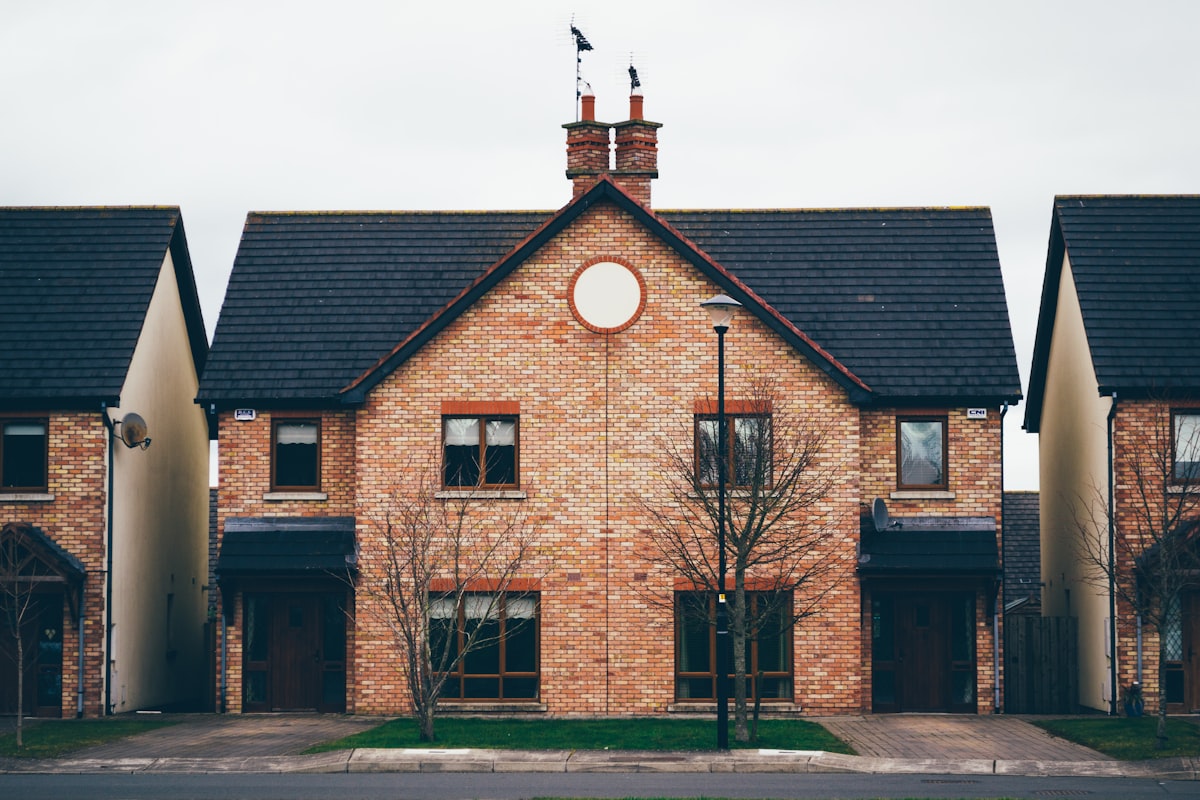
New developments, particularly in suburban areas, have been sprouting up to meet demand. However, this rapid construction raises questions about infrastructure and public services. The city is investing over $200 million in road improvements and utilities to accommodate the influx of new residents.
Despite these efforts, experts are warning that the pace of growth may outstrip the city’s capacity to maintain quality of life. “We are at a tipping point,” remarked David Thompson, a local urban planner. “If we don’t take a strategic approach to development, we risk overcrowding and strain on essential services.”
Additionally, the rental market is feeling the pressure, with average rents climbing 18% year-on-year. The average cost of a two-bedroom apartment now exceeds $1,800, a figure that is increasingly challenging for many families in the area.
City officials are exploring measures such as inclusionary zoning to ensure a portion of new developments remain affordable. This policy aims to integrate affordable housing within new projects, allowing a diverse population to thrive amidst the growth.
As San Antonio stands on the brink of transformative change, residents and city leaders alike must navigate the delicate balance between growth and sustainability. The decisions made in the coming months could define the city for generations to come.