
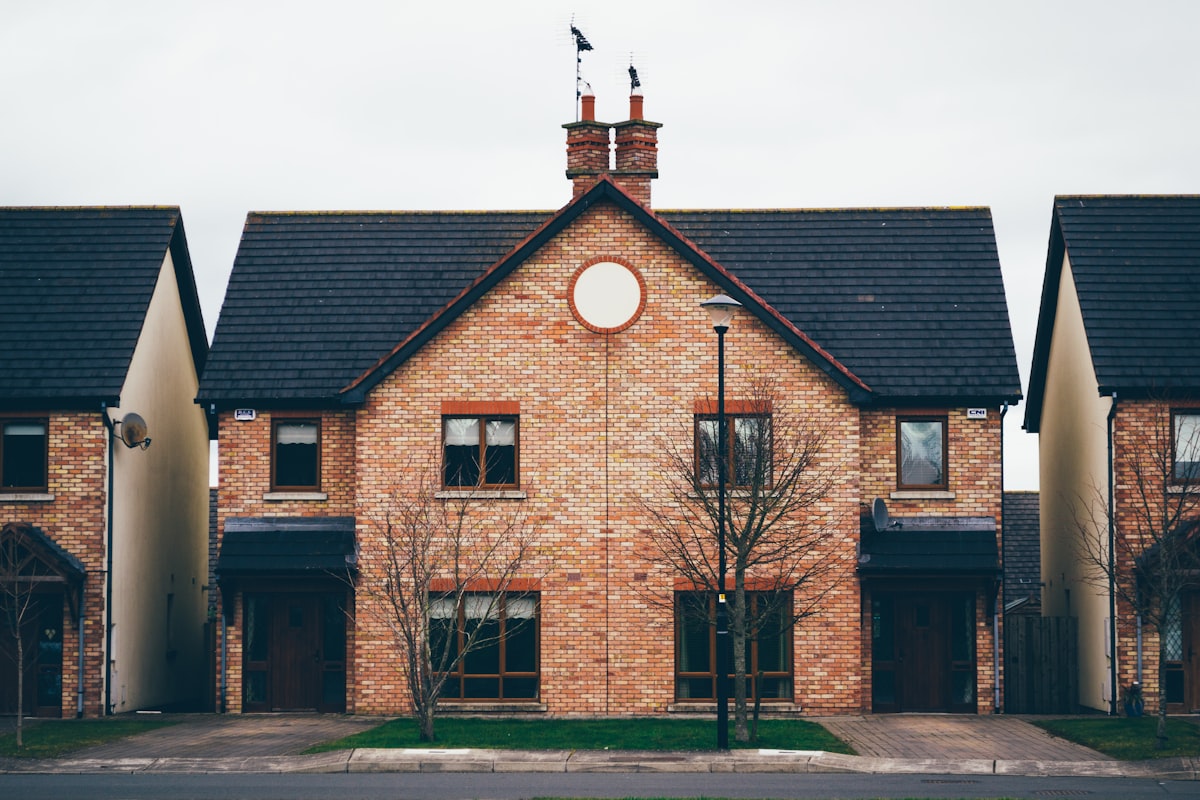
San Antonio, Texas, is at a crossroads as the city's historic districts face significant development pressure, raising concerns about preservation and community identity.
As of July 2026, city planners report a surge in proposed developments in areas like King William and La Villita, where historical homes and cultural landmarks stand at risk. The San Antonio Historic Preservation Society has identified over 50 properties under threat from new commercial and residential projects.
The King William district, renowned for its picturesque Victorian architecture, has been particularly affected. With developers eager to capitalize on the area's charm, plans for luxury condominiums and high-end retail spaces have emerged, which could forever alter the character of the neighborhood. "We are witnessing a transformative moment in San Antonio, but it shouldn't come at the expense of our historical legacy," said Patricia Gomez, a city historian and member of the preservation society.
Local activists have rallied to oppose these developments, arguing that they threaten not only the aesthetics of the neighborhoods but also the cultural fabric of San Antonio. In June 2026, a public forum attracted over 200 residents who voiced their concerns about the rapid changes occurring in their communities.
Despite the mounting opposition, city officials face the challenge of balancing economic growth with the need for preservation. San Antonio's economy has been steadily improving, with a reported 5% increase in tourism revenues in 2025, much of which is driven by the city's rich history and cultural attractions.
In response to public outcry, the San Antonio City Council is considering new measures to strengthen preservation efforts, including stricter zoning regulations and increased funding for historic restoration projects. "We must find a way to protect our heritage while still allowing for responsible development," stated Lisa Martinez, a councilwoman advocating for balanced growth.
The discussion over San Antonio's future is emblematic of a larger trend occurring in cities across Texas, where the demand for housing and commercial space often clashes with the desire to maintain cultural identity. The outcome of these debates will shape the character of San Antonio for generations to come.
As the city develops its strategies for preserving its historic fabric, residents remain vigilant, advocating for a future that honors the past while embracing the possibilities of growth.