
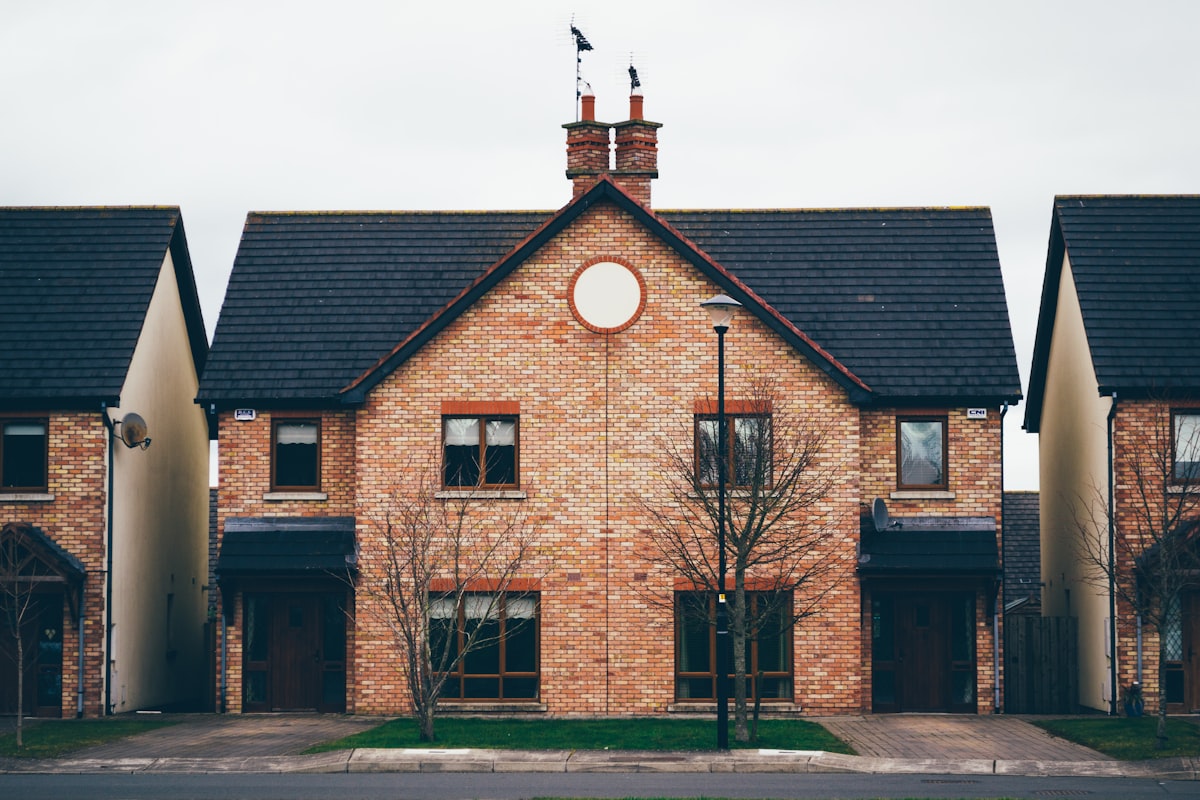
San Antonio is increasingly focusing on sustainable development practices in response to the growing demand for housing and environmental awareness.
As the city grapples with a housing shortage, officials and developers are championing green building initiatives that prioritize energy efficiency and sustainable materials. According to the San Antonio Housing Authority, the city needs an estimated 60,000 new housing units by 2030 to keep pace with population growth.
A recent collaboration between the city government and local developers has led to the launch of the “Green Homes Initiative,” which aims to incorporate eco-friendly technologies into new residential projects. This initiative is expected to create 2,500 energy-efficient homes over the next three years, with a focus on affordability and accessibility.
“We believe that sustainable housing is not just a trend; it’s a necessity,” stated Maria Lopez, Director of the San Antonio Housing Authority. “By investing in green technologies, we’re not only meeting the housing demand but also contributing to a healthier environment for our residents.”
The city’s commitment to sustainability is evident in several high-profile projects, such as the recently unveiled Alamo Heights Green Community, which features solar panels, rainwater harvesting systems, and electric vehicle charging stations. The development will comprise 800 units aimed at families, with prices starting at $250,000.
Moreover, San Antonio’s urban planning policies are increasingly prioritizing walkability and public transportation access, aligning with a broader trend toward smart city development. The city’s recent investment in expanding its public transit infrastructure is designed to support dense, mixed-use neighborhoods.
Industry experts note that these initiatives could not only satisfy local housing needs but also position San Antonio as a leader in sustainable urban development. “As other cities look to improve their housing stock, they will be watching San Antonio closely,” commented Dr. James Carter, an urban planning professor at Texas A&M University.
Sustainable development also presents a unique opportunity for attracting businesses and residents who prioritize environmental responsibility. A recent survey indicated that 62% of prospective residents said they would choose a community with sustainable initiatives over one without.
While challenges remain, including rising construction costs and zoning regulations, San Antonio's proactive approach is setting a precedent for how cities can balance growth with environmental stewardship.