
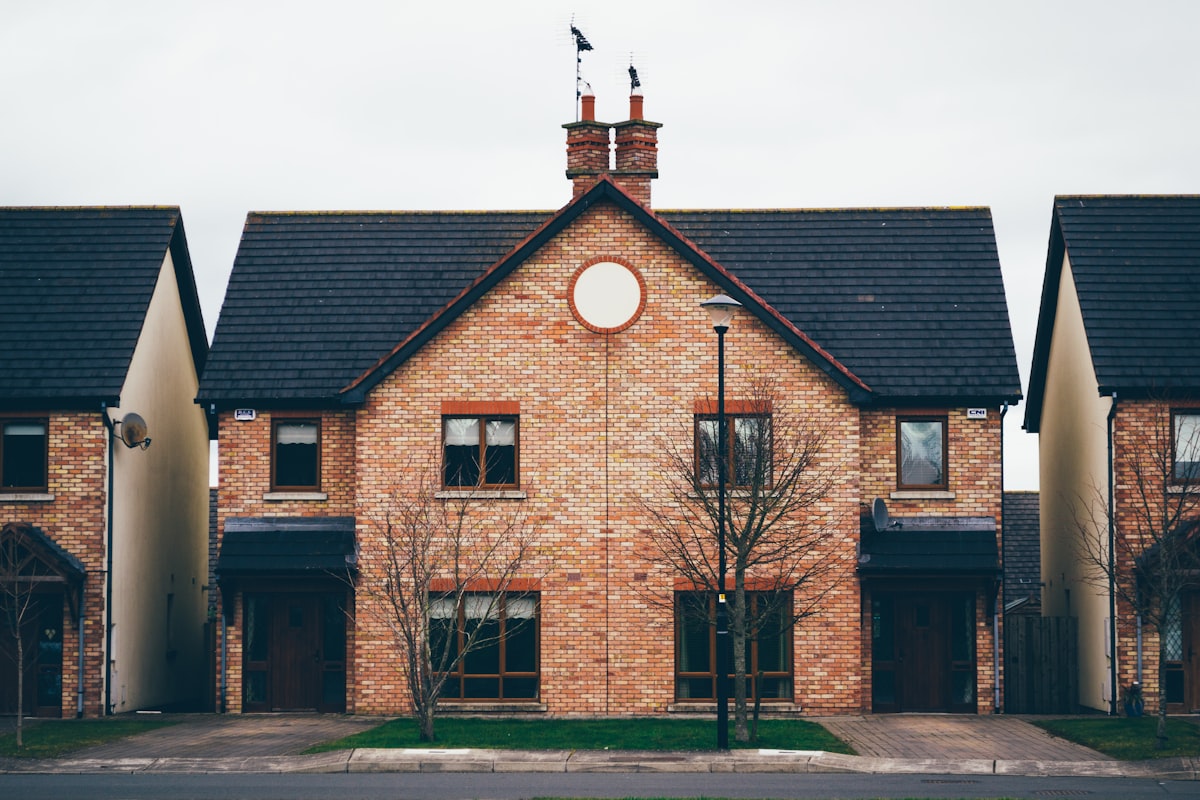
The rural real estate market in Texas is experiencing a renaissance as urban residents increasingly migrate to the countryside in search of space and affordability.
Data from the Texas A&M University Real Estate Center indicates a sharp rise in rural property sales, with transactions up by 25% year-over-year in the first half of 2026. This trend is particularly evident in counties such as Bastrop and Blanco, where new listings of homes on larger plots of land have nearly doubled as city dwellers seek refuge from crowded urban environments.
“People are realizing that they can work remotely and have a better quality of life outside the city,” noted Rachel Adams, a real estate agent specializing in rural properties. “The appeal of open spaces, fresh air, and lower cost of living is driving this migration.”
In Bastrop County, the median home price has jumped to $320,000, a 15% increase from last year. Similarly, Blanco County has seen its median price rise to $350,000, reflecting a growing demand for homes with acreage.
In response to this influx, local governments are investing in infrastructure to support the changing demographics. Bastrop City officials recently announced plans to expand utilities and roadways, aimed at accommodating new residents and businesses. “We’re excited to welcome new families and individuals who are looking for a different lifestyle,” remarked Mayor John Smith of Bastrop.
Moreover, the trend is not limited to just home purchases; rural rental markets are also thriving. With urban rents skyrocketing, many former city dwellers are opting to rent in rural areas, further tightening the competition for available properties.
“The rental market in rural Texas is booming, with some properties receiving multiple offers within days of listing,” Adams added. “It’s a stark contrast to the urban market, where inventory remains stagnant.”
As the demand for rural properties grows, developers are beginning to capitalize on this trend. New housing developments featuring modern amenities and larger lots are emerging across rural Texas, catering specifically to the needs of those relocating from urban settings.
Industry analysts predict that this rural real estate surge will continue as remote work remains prevalent post-pandemic. “Once you experience the peace and tranquility of rural living, it becomes hard to go back,” concluded Adams.
In summary, as urbanites flock to rural Texas, the real estate market is poised for sustained growth, driven by a desire for space, affordability, and an improved quality of life.