
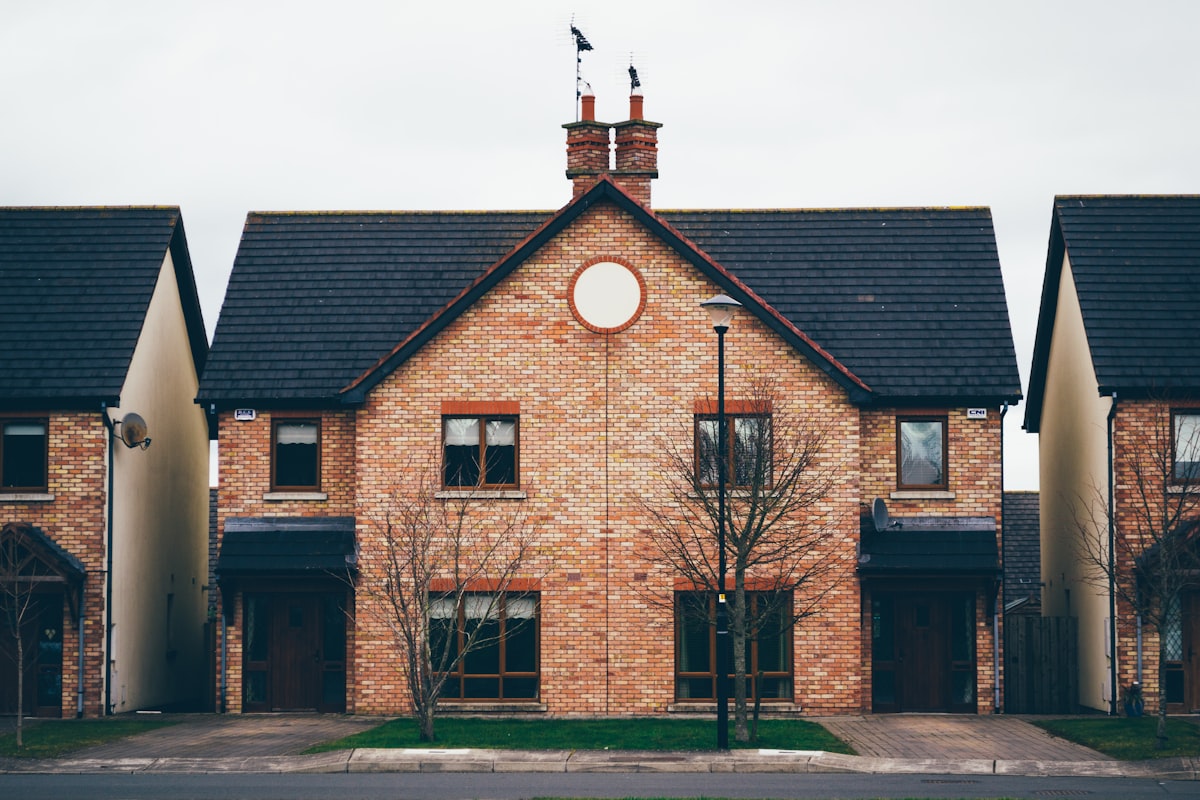
In a surprising trend, Texas farmland and rural land investments are witnessing a resurgence as urban migration reshapes the state's land-use dynamics.
Data from the Texas A&M AgriLife Extension Service reveals that sales of rural land have increased by nearly 30% in the past two years, with prices averaging around $4,500 per acre—a substantial increase from $3,200 per acre in 2024. The prime locations for these purchases include areas surrounding San Antonio, Austin, and Fort Worth.
"With the rise of remote work and the desire for more space, people are looking to invest in rural properties as retreats from urban hustle," explained Sarah Collins, a land investment advisor at Lone Star Land Brokers. "This trend not only reflects changing lifestyles but also a renewed appreciation for agricultural land."">
Many buyers are seeking out mixed-use properties that combine agricultural potential and recreational opportunities, driving up competition in the rural land market. The recent purchase of a 500-acre parcel near Fredericksburg for $2.2 million is a prime example, as it offers both farming prospects and potential for development as a vacation destination.
The influx of city-dwellers into rural areas has also sparked interest from developers looking to create residential communities in previously overlooked regions. For instance, a new project titled *Hill Country Estates* aims to develop upscale housing while preserving the natural landscape, catering to individuals looking for a slower-paced lifestyle.
While the increased interest in rural land can be seen as a positive development for local economies, experts caution that the rapid rise in prices could create challenges for traditional farmers and ranchers. Collins added, "While it’s great to see investment in rural areas, we must also ensure that we’re supporting our local agricultural community in the process."">
As Texas continues to evolve, the intersection of urban migration and rural land investment is likely to reshape the real estate landscape, offering both opportunities and challenges as the state's population swells.