
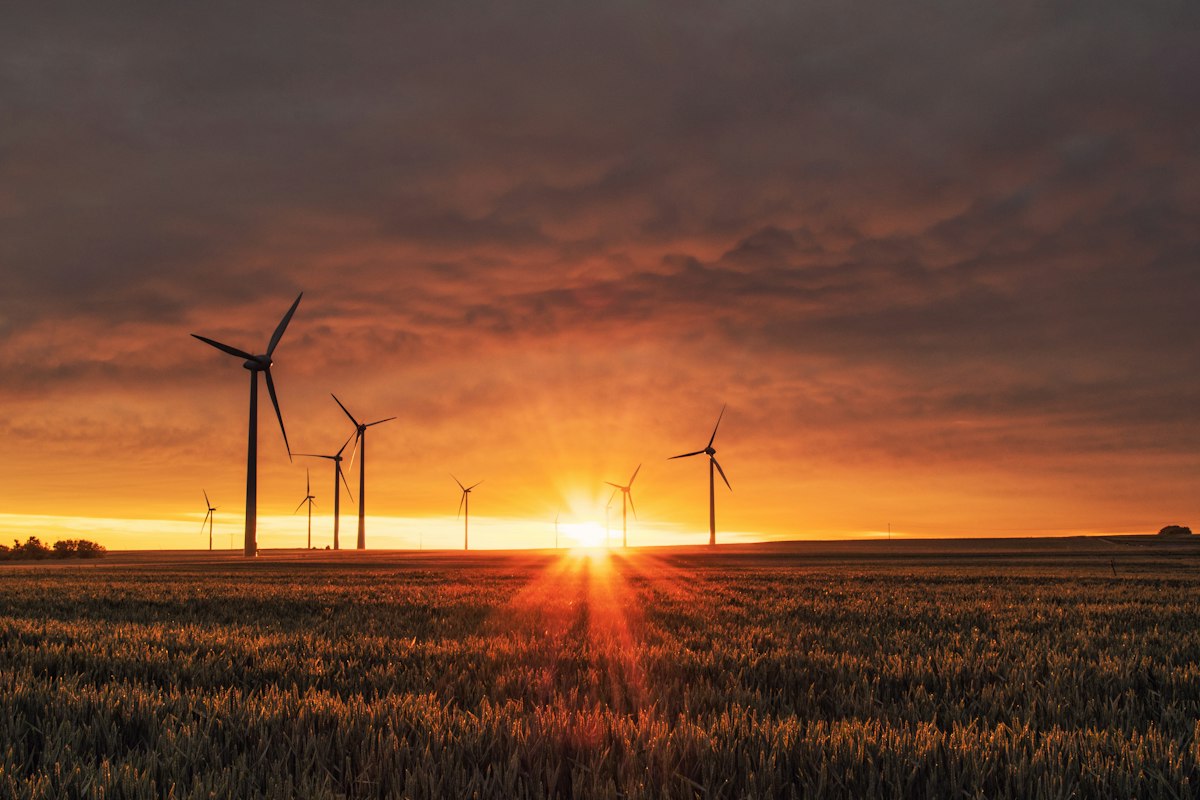
In a striking shift in energy investments, Texas is witnessing an unprecedented influx of capital into renewable energy projects. As of July 4, 2026, the Lone Star State has attracted over $12 billion in investment for wind and solar energy projects in the first half of the year alone, positioning it as the national leader in clean energy initiatives.
The surge in investment is attributed to a confluence of factors, including favorable state policies, declining technology costs, and growing demand for clean energy from corporations and consumers alike. Companies like Enphase Energy and First Solar are ramping up their operations in Texas, further boosting local economies.
"Texas is at the forefront of the renewable energy revolution, and we are just getting started," remarked Rachel Simmons, Director of Renewable Energy at the Texas Energy Office. "The investments coming in are not only creating jobs but also paving the way for a more sustainable future."
As of mid-2026, wind energy accounts for approximately 25% of the state's electricity generation, with plans to expand solar capacity. According to the latest reports, Texas is on track to exceed 50 gigawatts of installed solar capacity by the end of the year, a significant increase from 40 gigawatts in 2025.
This growth is not without its challenges. Regulatory hurdles, including permitting processes and local opposition, continue to pose obstacles to rapid deployment. However, state officials are working to streamline these processes to foster an environment conducive to renewable investments.
As demand for renewable energy surges, Texas is also becoming a hub for innovation in energy storage solutions, necessary for managing the intermittent nature of wind and solar generation. Companies like Tesla and Fluence are investing heavily in battery storage technology, which is critical to ensuring grid stability.
Overall, the trajectory of Texas' renewable energy investments indicates a transformative shift in the state's energy landscape, moving away from traditional fossil fuels and towards a greener, more sustainable future. This trend is not only reshaping the business environment but also influencing national energy policy discussions.