
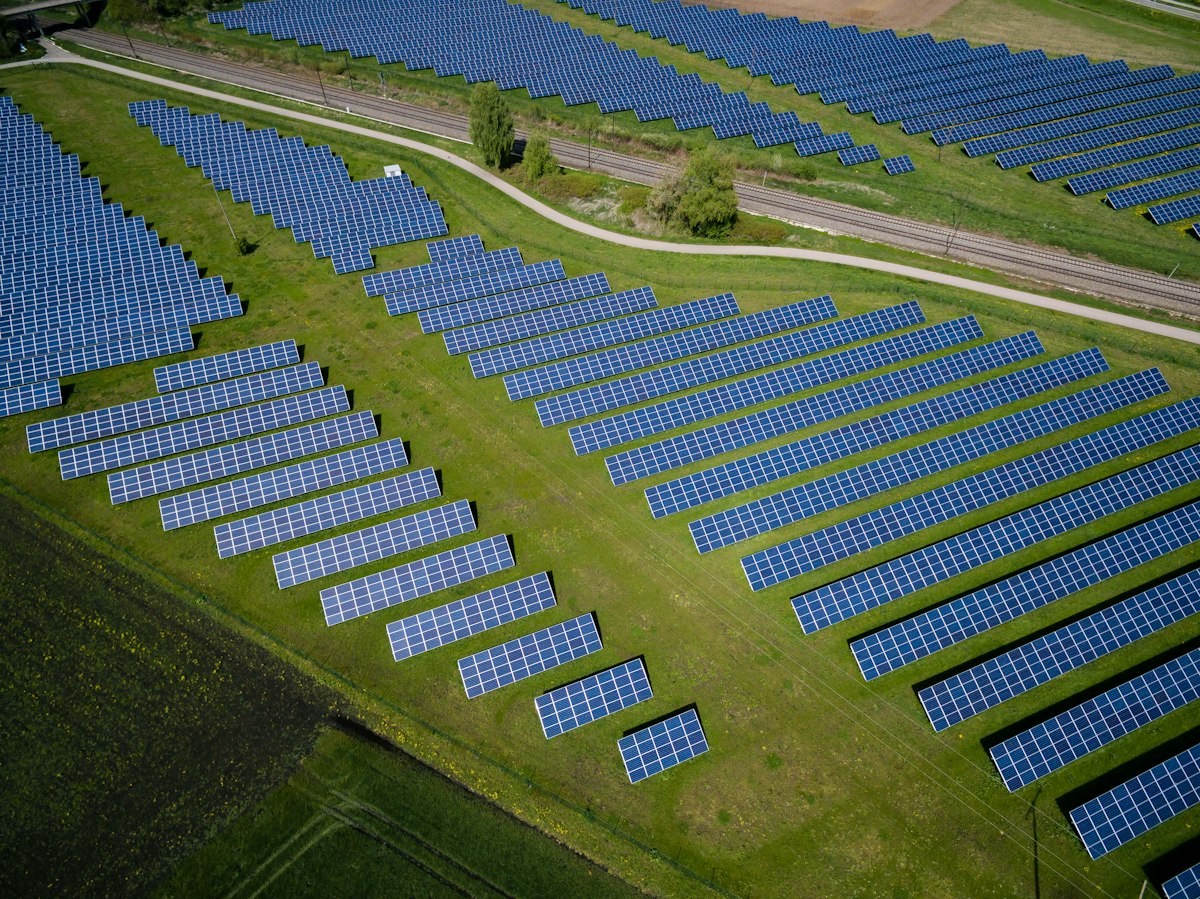
The city of Austin is emerging as a prominent leader in the renewable energy sector, with significant investments aimed at achieving carbon neutrality by 2030. This ambitious goal comes in response to both environmental imperatives and economic opportunities, as Texas seeks to strengthen its position in the rapidly evolving energy landscape.
According to the Texas Renewable Energy Alliance, investments in renewable technologies in Austin have surged by 45% over the past year, totaling approximately $2 billion. This uptick is driven by several factors, including state government incentives and increasing demand for sustainable energy solutions.
“Austin is not just keeping pace; we are setting the pace for renewable energy in Texas,” stated James McCarthy, the city’s Director of Sustainability. “Our investments are not only about meeting targets but also about creating jobs and fostering innovation within the community.”
Several local companies, including SunPower Corp and NextEra Energy, have announced plans to expand their operations in the area. SunPower is set to invest $500 million in a new manufacturing facility, aimed at producing solar panels locally. The facility is expected to create over 1,000 jobs in the region.
In conjunction with these investments, the city has launched educational initiatives to promote awareness of renewable energy benefits among its residents. Programs are being implemented in schools and communities to ensure that future generations are equipped with the knowledge to thrive in a clean energy economy.
Data from the U.S. Energy Information Administration indicates that Texas generates more wind energy than any other state, accounting for approximately 25% of the nation’s total wind energy production. The push for renewable energy in Austin is seen as a critical step towards harnessing this potential and transitioning away from fossil fuels.
However, achieving the city’s carbon neutrality goal will not be without challenges. Many industry experts argue that a comprehensive policy framework is necessary to support the rapid growth of renewable energy infrastructure. “We need more than investments; we require a cohesive strategy that encompasses all stakeholders,” noted Linda Garcia, a policy analyst at Energy Policy Solutions.
As Austin embarks on this journey towards sustainability, its success could serve as a model for other Texas cities and even states across the nation. The critical intersection of environmental necessity and economic opportunity is reshaping the energy discourse in Texas, and Austin stands at the forefront of this transformation.