
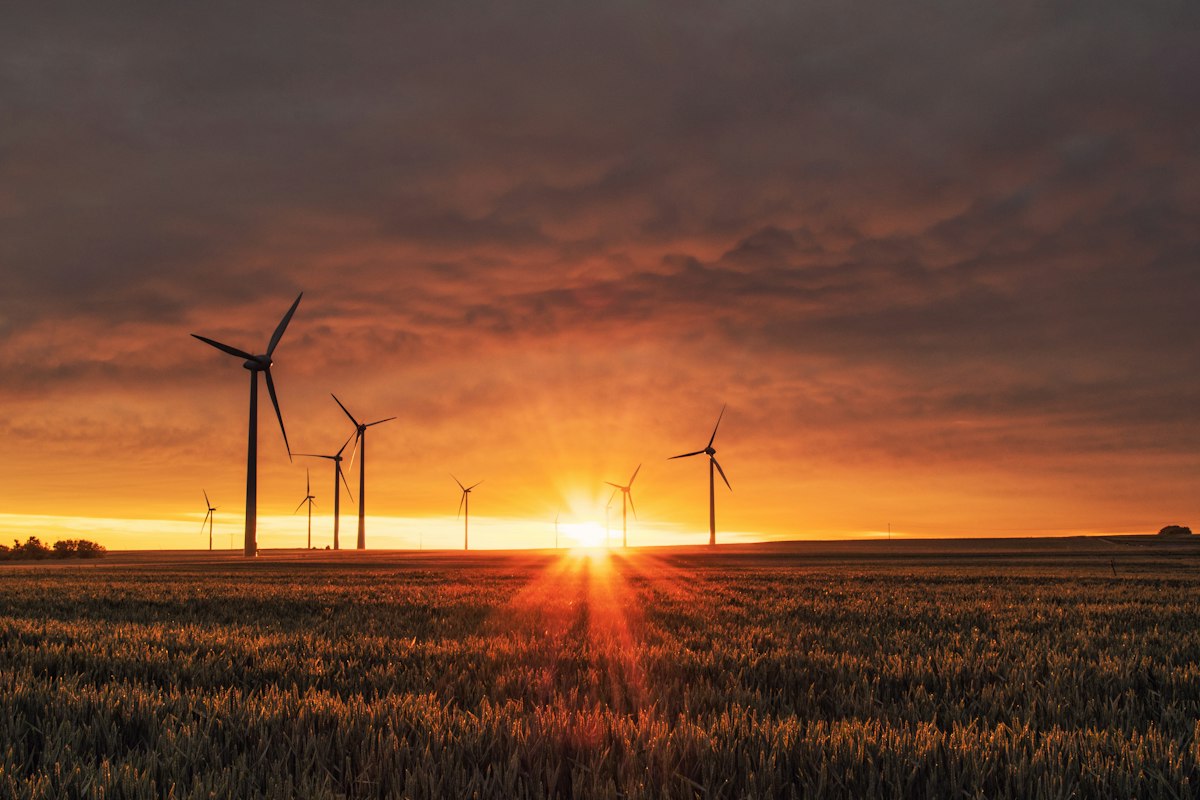
In a significant shift, Texas is witnessing a technological revolution in its energy sector, with innovations paving the way for greater efficiency and sustainability.
As of July 2026, advancements in artificial intelligence, blockchain, and energy storage technologies are fundamentally changing how energy is produced, transmitted, and consumed. Companies like Tesla and Fluence are leading the charge in energy storage solutions, enabling utilities to balance supply and demand more effectively.
"The integration of advanced technologies is key to optimizing our energy grid and ensuring reliability as we incorporate more renewables," said Dr. Anna Tran, a leading energy researcher at the University of Texas at Austin. "AI, in particular, is enhancing predictive analytics for grid management and energy consumption forecasting."
In Houston, energy startups are leveraging blockchain technology to create decentralized energy markets that allow consumers to buy and sell excess energy from renewable sources directly. This innovation not only empowers consumers but also democratizes energy access across the state.
The state's diverse energy portfolio, which now includes an increasing share of renewables, necessitates an upgrade in grid infrastructure. The Texas Legislature has approved a $3 billion plan aimed at modernizing the electrical grid to accommodate new technologies and enhance cybersecurity measures.
Moreover, partnerships between tech companies and traditional energy firms are becoming more common. Recently, Chevron announced a collaboration with Google Cloud to utilize machine learning algorithms for optimizing oil extraction processes, highlighting the merging of tech and energy sectors.
However, with these advancements come challenges. Regulatory hurdles and the need for substantial investment in infrastructure remain significant barriers. Many industry experts stress the importance of aligning state regulations with technological innovations to fully realize the potential of these advancements.
As Texas embraces this technological evolution, the energy landscape is set to transform dramatically, positioning the state not just as a leader in production but also in technological innovation within the energy sector.