
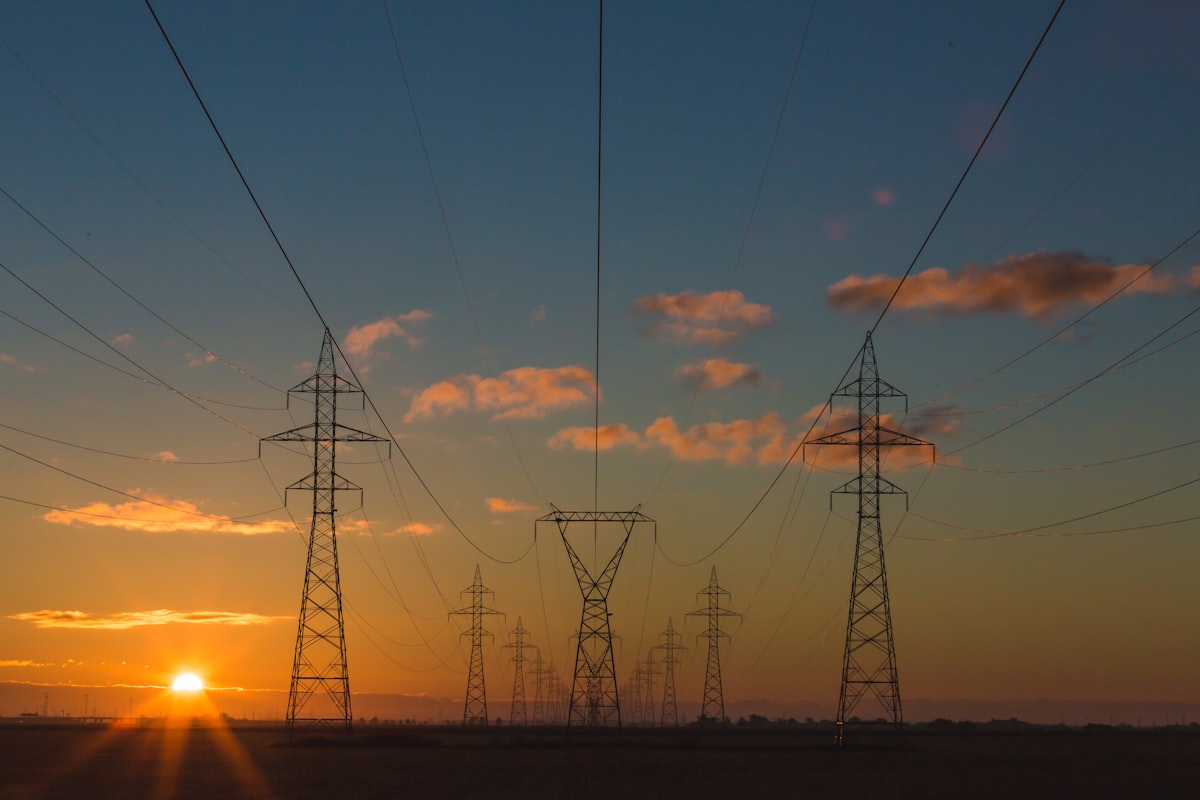
Natural gas prices in Texas have reached a five-year high as supply constraints and increased demand for energy continue to impact the market.
As of August 10, 2026, the Henry Hub natural gas price index has surged to $4.20 per million British thermal units (MMBtu), a significant increase from $2.50 just a year ago. This spike in prices is largely driven by a combination of extreme summer heat and the ongoing recovery from supply chain disruptions experienced in the wake of the COVID-19 pandemic.
The Texas oil and gas industry, which has long been a cornerstone of the state's economy, is currently facing a dual challenge. On one hand, the increased demand for natural gas is driven by power generation needs, particularly during the sweltering summer months. On the other, production levels have not fully rebounded, leading to tighter supply margins.
According to the Texas Railroad Commission, natural gas production in the state has remained relatively flat, hovering around 26 billion cubic feet per day, while the demand has surged to nearly 30 billion cubic feet per day. “We are in a critical moment for natural gas in Texas,” remarked James Parker, a senior analyst at Texas Gas Strategies. “Utilities are scrambling to secure enough supply to meet the hot weather demands, which is driving prices up.”
The situation has prompted several Texas-based energy companies, including EnLink Midstream and Atmos Energy, to ramp up their procurement strategies. EnLink, which recently announced plans to expand its pipeline infrastructure, stated it aims to increase capacity to ensure reliability for its customers.
“We are actively working to enhance our supply chain and pipeline systems,”
commented Ryan Bennett, COO of EnLink Midstream. “It’s essential that we adapt to both current and future demands for natural gas in our region.”
Industry experts are also cautioning that the rising natural gas prices could translate into higher utility bills for Texas residents. Energy providers have begun notifying customers of potential increases in their rates, as they grapple with the higher costs of procurement.
In the interim, the state is also looking toward alternative energy sources to alleviate some of the pressure on natural gas. With wind and solar power continuing to expand, Texas is poised to balance its energy portfolio. However, the immediate focus remains on addressing the supply challenges within the natural gas sector as summer temperatures continue to climb.
As natural gas prices remain volatile, consumers and businesses alike are urged to monitor their energy usage and consider energy-efficient alternatives. The coming weeks will be critical as the state navigates this challenging landscape in the face of soaring demand for natural gas.