
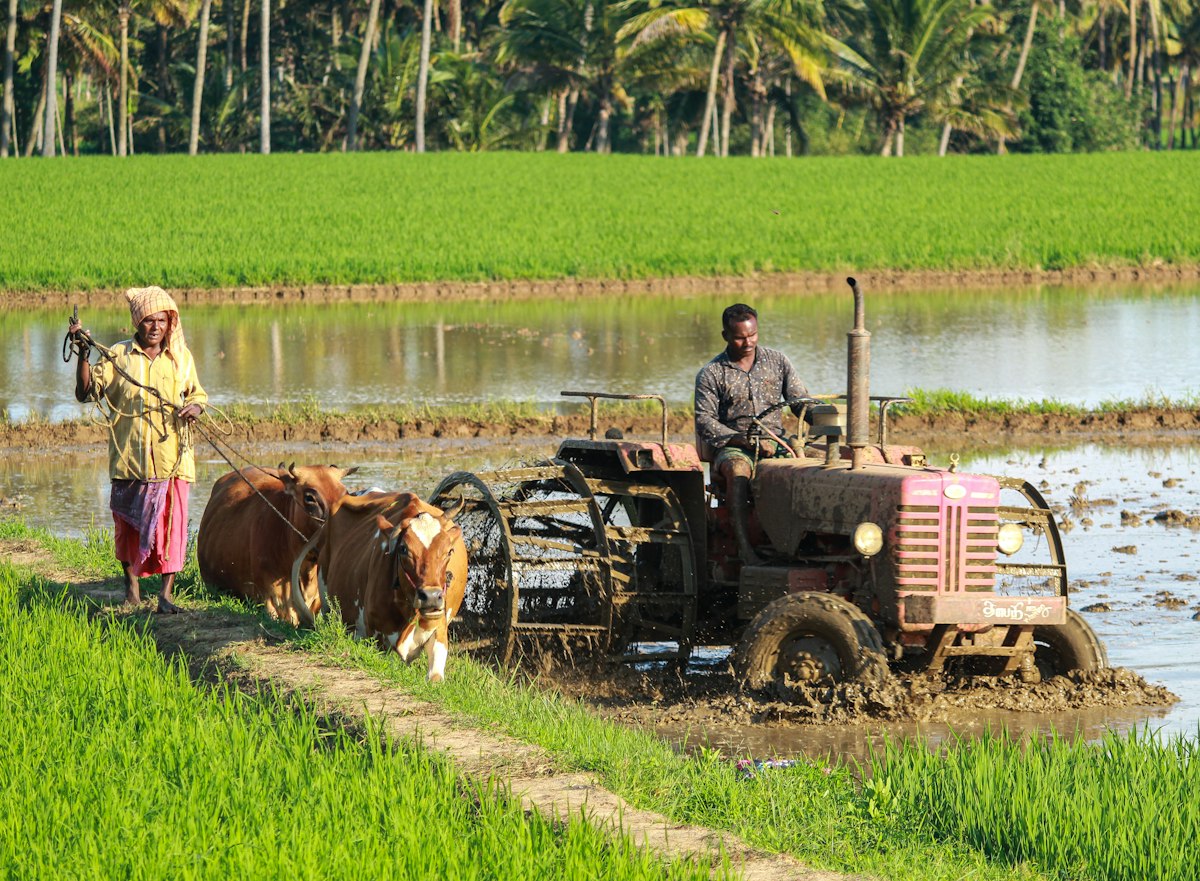
As drought conditions persist across Texas, farmers are increasingly turning to advanced irrigation solutions to safeguard their crops and ensure sustainable practices.
The Texas Water Development Board has reported that nearly 60% of the state is currently experiencing some level of drought, emphasizing the urgent need for efficient water management strategies. In response, farmers in regions like Wichita Falls and San Angelo are implementing cutting-edge technologies to optimize irrigation.
Local farmer James Carter, who manages a 1,500-acre farm in Wichita Falls, has adopted a subsurface drip irrigation system that has dramatically reduced water usage by 40%. “We’re able to deliver water directly to the roots of the plants, minimizing evaporation and runoff,” Carter explained. “This system not only conserves water, but it also promotes healthier crops.”
The USDA has highlighted Texas as a leader in the adoption of smart irrigation technologies. Farmers are increasingly utilizing soil moisture sensors and automated irrigation systems that adjust based on real-time weather data, allowing for more precise water application.
In San Angelo, the local agricultural extension office has initiated a program to assist farmers in transitioning to more sustainable practices. This initiative includes financial incentives for those who upgrade to water-efficient technologies, providing much-needed support in a challenging economic climate.
According to the Texas A&M University agricultural economics department, farmers implementing these advanced irrigation techniques can expect a return on investment within three years, thanks to reduced water costs and increased crop yields.
“Water is our most precious resource in agriculture, and we must use it wisely,” said Dr. Emily Jenkins, a water management expert at Texas A&M. “The adoption of these technologies is essential for our future food security.”
As Texas confronts the challenges of climate change and water scarcity, the commitment to innovative irrigation practices is becoming increasingly vital. With the demand for sustainable agricultural practices on the rise, the state is positioned to set a benchmark for the rest of the nation.
In the face of adversity, Texas farmers are not just surviving but thriving through innovation, ensuring that the state's agricultural sector remains robust and competitive in a rapidly changing world.