
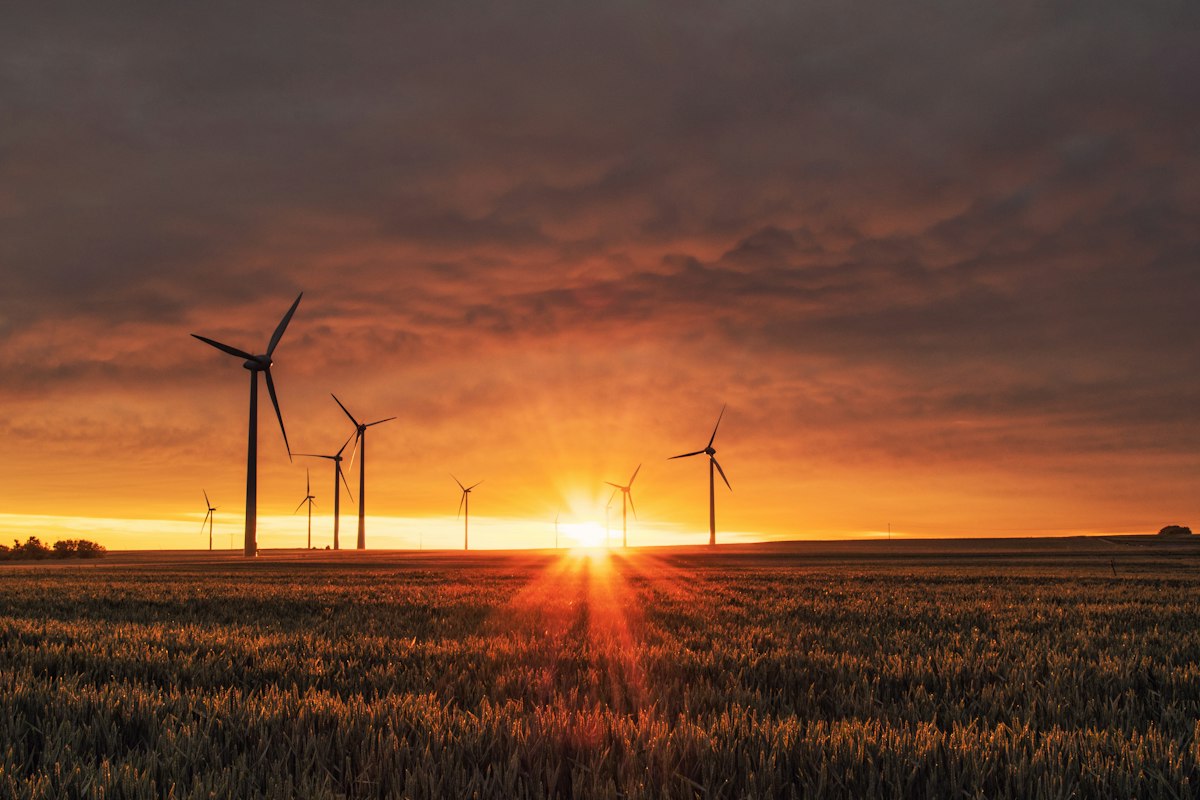
As the demand for renewable energy surges, Texas is at the forefront of developing innovative energy storage solutions, aiming to enhance grid reliability and efficiency.
In late August 2026, several Texas-based companies, including Fluence and Energy Storage Solutions, unveiled plans to deploy advanced battery technologies in various regions across the state. These projects are designed to store excess energy generated during peak production times and release it during periods of high demand, effectively balancing the grid.
The Texas energy market has seen unprecedented growth in renewable sources, particularly wind and solar, which now account for a combined 45% of the state's energy mix. However, the intermittent nature of these sources presents challenges for grid stability. The introduction of large-scale battery systems, which can store up to 1,000 MWh of energy, aims to address these issues.
"Energy storage is a game-changer for the Texas power grid," noted Dr. Lisa Glick, Chief Technology Officer at Fluence. "By integrating these systems, we can ensure that renewable energy is not just abundant but also dependable when Texans need it most."
Significant investments are being funneled into energy storage projects, with the state government granting over $300 million in incentives to support these initiatives. A recently announced collaboration between Fluence and the University of Texas at Austin aims to develop next-generation battery technology that could further enhance storage capacity and efficiency.
The implications for energy consumers are substantial. With improved storage capabilities, Texans can expect reduced energy costs and enhanced service reliability. Moreover, this shift towards energy independence could lessen the state's reliance on fossil fuels, aligning with broader climate goals.
As 2026 progresses, the success of these energy storage solutions will likely serve as a benchmark for other states grappling with similar challenges. Texas' commitment to innovation in the energy sector could position it as a leader in the transition towards a more sustainable and resilient power grid.