
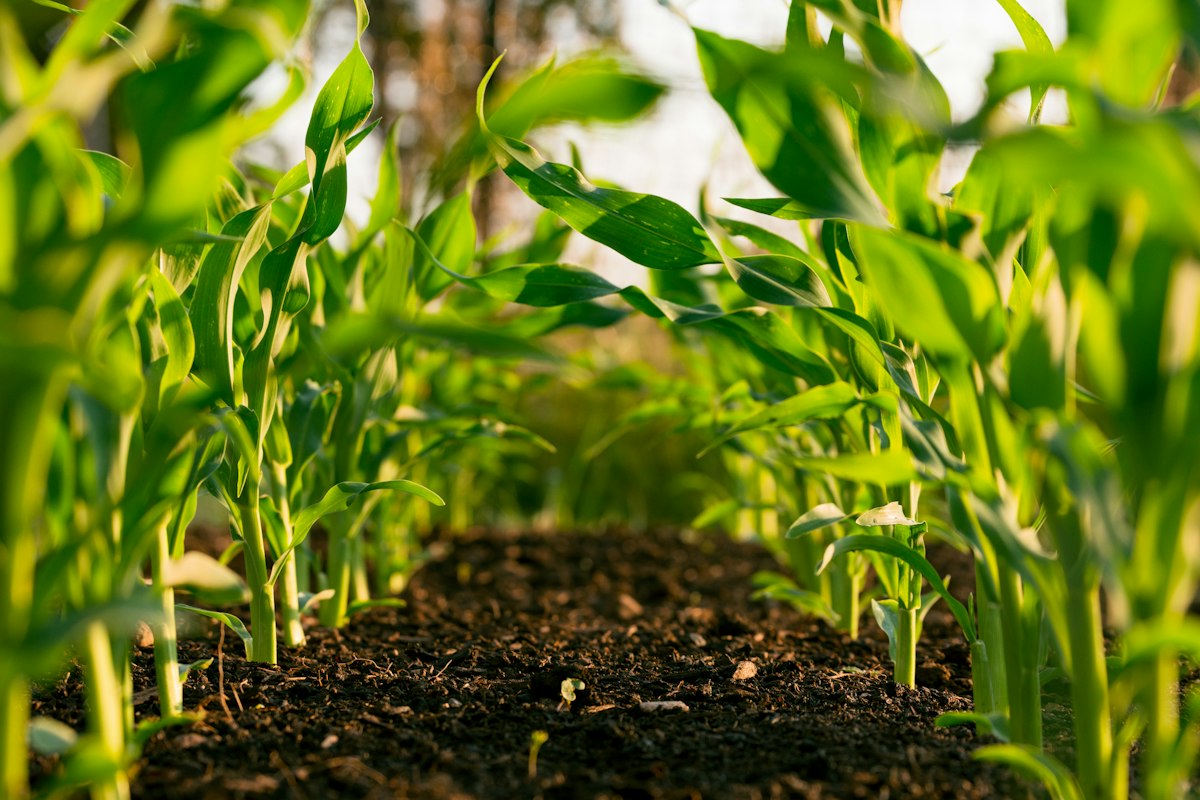
In a bid to bolster productivity and sustainability, Texas cotton farmers are increasingly turning to innovative technologies that promise to revolutionize the industry.
The state of Texas remains the largest producer of cotton in the U.S., accounting for over 40% of the nation's supply. However, in recent years, profit margins have tightened due to fluctuating market prices and increased production costs. In response, many farmers in regions like Lubbock and Amarillo are adopting cutting-edge solutions.
The Texas Cotton Ginners’ Association recently reported that nearly 60% of cotton farmers in the High Plains now utilize precision farming technology, such as drone surveillance and soil moisture sensors. These advancements enable farmers to monitor crop health and optimize irrigation methods, significantly reducing resource waste.
“Technology is not just a luxury anymore; it’s a necessity for survival,” explained Laura Henson, a cotton grower based in Lubbock. “With the investments we’re making in precision agriculture, we’re seeing yield increases of up to 20%.”
In addition to these advancements, cotton farmers are increasingly focused on sustainability. The Texas A&M University Cotton Research Program is leading initiatives aimed at developing more environmentally friendly farming practices. These include crop rotation and integrated pest management, which not only enhance yield but also reduce reliance on chemical fertilizers and pesticides.
The economic stakes are high. The Texas cotton industry is valued at over $2 billion, and with global demand projected to increase due to sustainable fashion trends, the potential for growth is promising. Various local cooperatives are also coming together to promote the adoption of sustainable practices, aiming to enhance marketability.
However, challenges remain. The current drought conditions in parts of West Texas have raised concerns about water availability, putting additional pressure on farmers to manage their resources efficiently. Without adequate rainfall, many farmers may struggle to maintain production levels.
Despite these hurdles, the outlook for Texas cotton farming remains optimistic. Increased cooperation among farmers, academia, and industry stakeholders may pave the way for resilience in the face of environmental challenges. As the 2026 harvest approaches, all eyes will be on Texas cotton as a bellwether for the future of agriculture.