
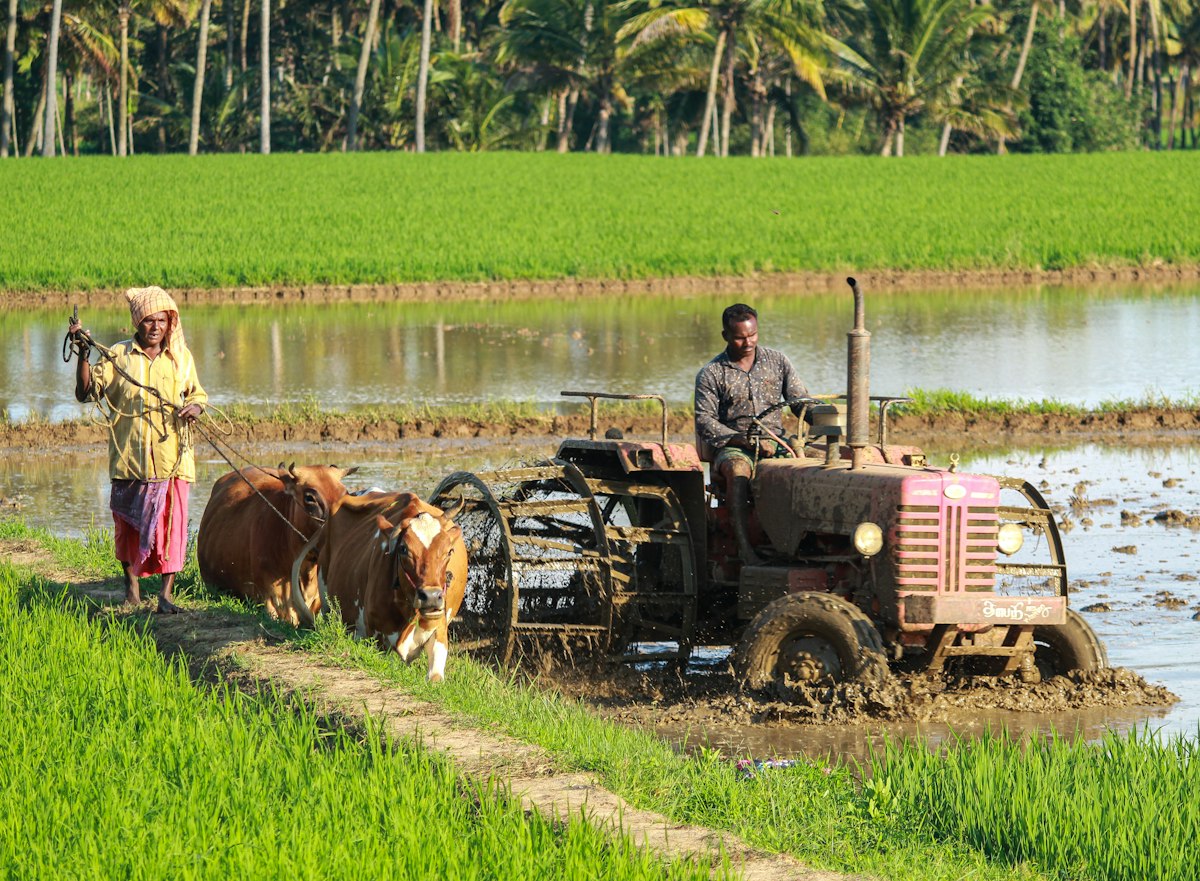
The agricultural landscape of Texas is undergoing a significant transformation as farmers increasingly turn to technology to enhance productivity and sustainability, blending traditional practices with modern innovations.
A recent report from the Texas Agriculture Innovation Center highlights that the adoption of precision farming tools has grown by over 40% among Texas farmers in the past two years. Technologies such as drones for crop monitoring, soil sensors, and AI-driven analytics are becoming essential tools in the farmer's toolkit.
“Integrating technology into farming practices allows us to make data-driven decisions, ultimately increasing efficiency and yield,” noted Dr. Emily Tran, a researcher at the center. “Farmers can now monitor crop health in real-time and adjust their strategies accordingly.”
In cities like San Antonio and Austin, startups are emerging to support this agricultural tech revolution. Companies such as AgTech Innovations are providing cutting-edge solutions that help farmers manage resources more effectively, reducing waste and improving sustainability.
At the recent Texas AgriTech Summit held in Austin, various stakeholders gathered to discuss the future of agriculture in Texas. Industry leaders emphasized the importance of collaboration between farmers, tech developers, and academic institutions to foster innovation. “We have the talent and resources in Texas to lead the way in agricultural technology, but we need to work together,” said Mark Reyes, the CEO of AgTech Innovations.
One notable project includes the development of a predictive irrigation system that can significantly reduce water usage, which is crucial given the ongoing drought conditions affecting the state. Early trials indicate that farmers using this technology have decreased their water consumption by nearly 30%.
As Texas agriculture continues to evolve, the combination of technology and traditional farming methods is expected to play a critical role in addressing the challenges posed by climate change, resource scarcity, and market demands. With a focus on sustainability and innovation, the future of Texas farming looks promising.