
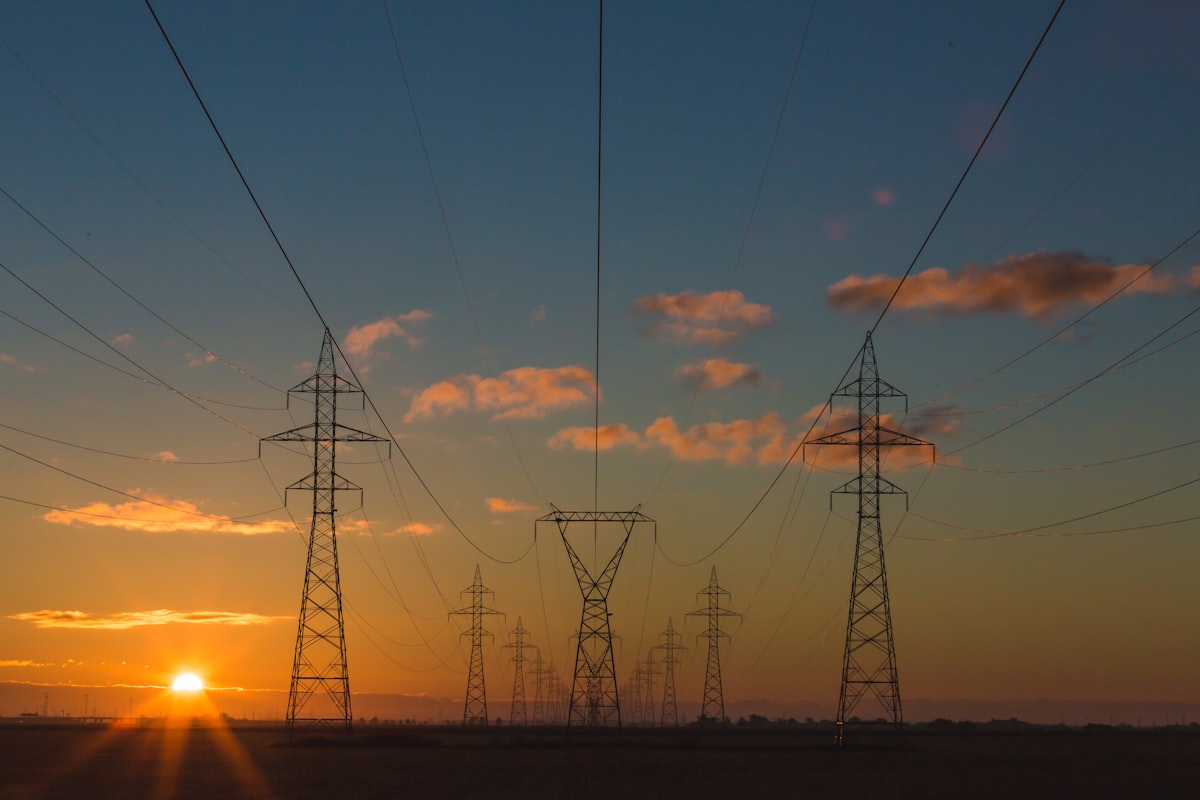
Houston is fast becoming a beacon for renewable energy innovation as national interest pivots towards sustainable solutions.
Recent reports from the Greater Houston Partnership indicate that the city’s renewable energy sector is projected to grow by 30% in the next three years, driven by investments from major corporations and government incentives aimed at reducing carbon footprints. Notably, companies like NextEra Energy have announced plans to invest $3 billion in solar and wind projects in the Houston area, creating thousands of jobs and contributing to the local economy.
In a recent press conference, Houston Mayor Sylvester Turner highlighted the significance of these investments: "The transition to renewable energy not only aligns with our climate goals but also provides economic opportunities for our residents."
As the demand for clean energy rises, Houston's local startups are also stepping into the limelight. Companies such as SolarUnited and GreenTech Innovations have attracted significant venture capital, with SolarUnited raising $50 million in Series B funding to expand its solar panel manufacturing operations. The company’s CEO, Jennifer Patel, remarked, "We are committed to making solar energy accessible and affordable for all Houstonians."
Furthermore, the city's strategic location near the Gulf Coast offers an advantage for offshore wind energy projects. The Texas General Land Office recently announced the availability of leases for offshore wind farms, which could potentially power over 1 million homes. This move is expected to attract substantial investment and further position Houston as a leader in renewable energy.
However, the transition isn’t without obstacles. Local utility companies are facing challenges in upgrading infrastructure to accommodate the influx of renewable energy. CenterPoint Energy, which serves over 2.5 million customers in the Houston area, has initiated a $1 billion plan to enhance its grid reliability and integrate renewable sources, according to CEO Dave Lesar.
Amid these developments, the urgency for workforce training in renewable energy sectors is becoming increasingly apparent. Educational institutions such as the University of Houston are collaborating with industry leaders to develop programs that equip students with the skills needed in this growing field.
As Houston continues to invest in its renewable energy future, the city's business landscape is poised for transformation. The interplay between traditional energy sectors and emerging renewable technologies could define the region’s economic resilience in the years to come.